Why Does a Car Seat Creak When Turning?
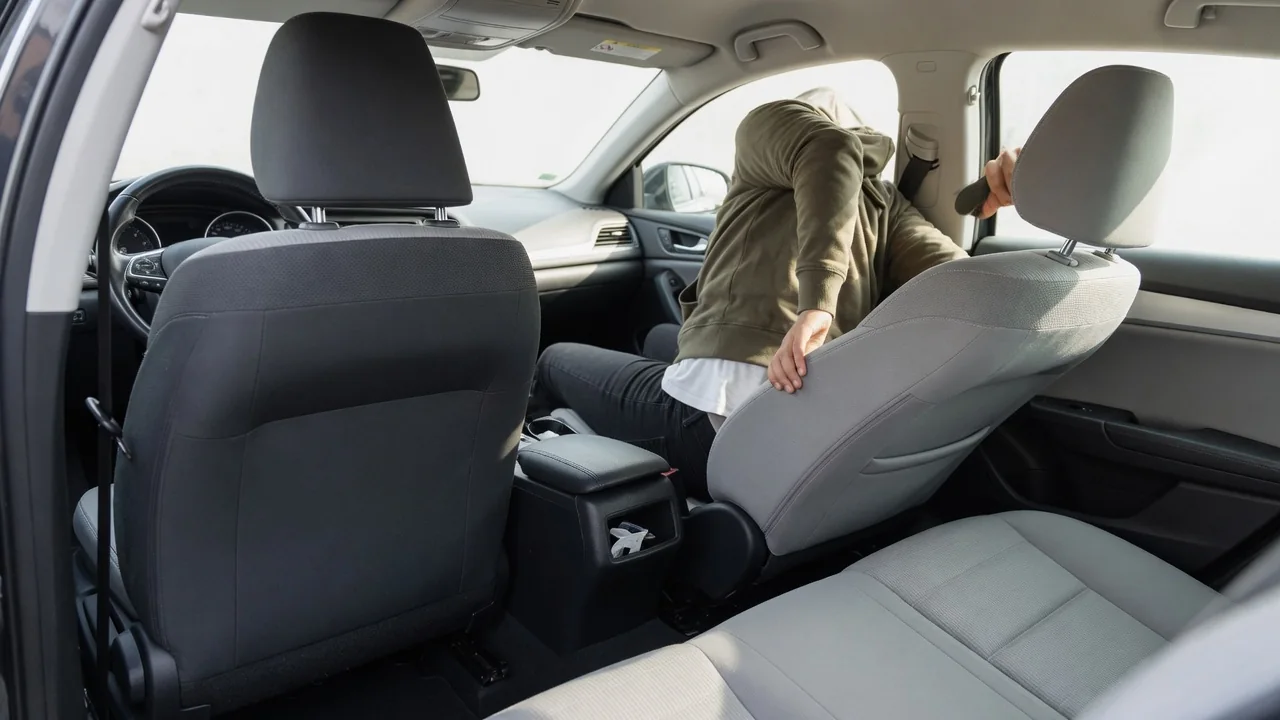
Drivers who ask why does a car seat creak when turning are usually hearing parts shift under side load. As the car corners, body weight presses sideways into the bolster, and any small play in the frame, the sliding tracks or the surrounding plastic trim shows up as a creak, tick or groan. Narrowing down where that movement happens is the first step.
Locate seat area
Start by working out which part of the seat is speaking. A noise low and close to the floor usually points to the tracks or the mounts that tie the seat to the body. A sound from hip height suggests the recliner mechanism or the height adjuster linkage, while a creak behind the shoulders often comes from the backrest frame, the headrest guides or the hard plastic shell on the back of the seat. Leather or vinyl rubbing against the center console can produce a similar sound.
A simple way to separate these sources is to reproduce the load while parked. Sitting in the seat and rocking the upper body from side to side mimics cornering force, and a hand resting on the track cover, side trim or backrest will often feel the tick as it happens. Having a passenger listen from the rear footwell helps too. Layouts differ between vehicles, and power seats add motors, gearboxes and wiring brackets under the cushion that manual seats do not have.
Check fasteners
Most seats are held to the floor by a bolt or stud at each corner of the track assembly. If one of these has lost clamping force, the foot of the track can shift a fraction against the floor pan every time weight moves sideways, and that metal on metal slip produces a sharp creak or click. Further fasteners join the cushion frame to the upper rails and the backrest to the recliner, and each joint can behave the same way when it relaxes.
Readers can look for clues without touching a tool. Witness marks, shiny rubbed patches or fine rust colored dust around a bolt head suggest movement at that joint. Seat mounting fasteners are safety critical, since they anchor the occupant and often the belt buckle in a collision, so the correct tightening values and any requirement to replace bolts once disturbed come from the manufacturer's service information for that vehicle. Guessing at tightness or adding thread compounds without that guidance is not advisable.
Inspection need
Some creaks are only an annoyance, but others deserve a professional look. A seat that visibly rocks, shifts on its tracks under braking, fails to lock firmly in a position or has a backrest with noticeable free play is showing more than a trim rub. The seat structure is part of the restraint system, so wear in the track latches, the recliner teeth or the frame welds matters well beyond the noise itself.
Many modern seats also carry side airbags, occupant detection sensors, heating elements and belt pretensioner wiring, with connectors grouped under the cushion. That is a strong reason to leave removal or deep disassembly to a qualified technician who follows the vehicle's own procedures for making those systems safe. A workshop can raise the car, check the mounts from below where they are accessible, and load the seat in a controlled way to confirm exactly which joint is moving.
Everyday Use and Observations
Paying attention to patterns in daily driving narrows the cause considerably. A creak that appears only on left turns, or only on right ones, suggests one side of the track or one bolster is taking the load. Noise that changes when the seat is slid forward a notch or two points toward the rails, because the rollers and latch now sit on a different part of the track. If reclining the backrest slightly alters the sound, the recliner or backrest frame becomes more likely.
Conditions matter as well. Plastic trim and foam stiffen in cold weather, so a seat may creak on a winter morning and fall silent once the cabin warms. Dry track grease, grit or a coin lodged in the rail, and a seat belt buckle resting against the console can all imitate a structural noise. It is worth checking whether the sound happens with the seat empty, since an unoccupied passenger seat that still creaks in corners hints at the mounts or loose trim instead of the cushion.
Limits and Next Steps
There are limits to what observation alone can prove. Sound travels through the floor pan and body structure, so a creak that seems to come from the seat may actually originate in a door seal, the center console, the seat belt anchor or even a suspension bushing that reacts to the same cornering load. If the noise persists with the seat moved to several positions and with different occupants, the search should widen beyond the seat itself.
Sensible next steps are modest ones. Clearing debris from the tracks, removing loose objects from under the seat and noting exactly when the sound occurs give a technician a useful starting point. Lubricants should only be used where the manufacturer specifies them, because the wrong product can attract dirt or damage plastics and upholstery. If the vehicle is under warranty, reporting the noise early is worthwhile, and any looseness, failure to latch or airbag warning light calls for prompt inspection.