Why Does a Car Feel Different After New Tires?
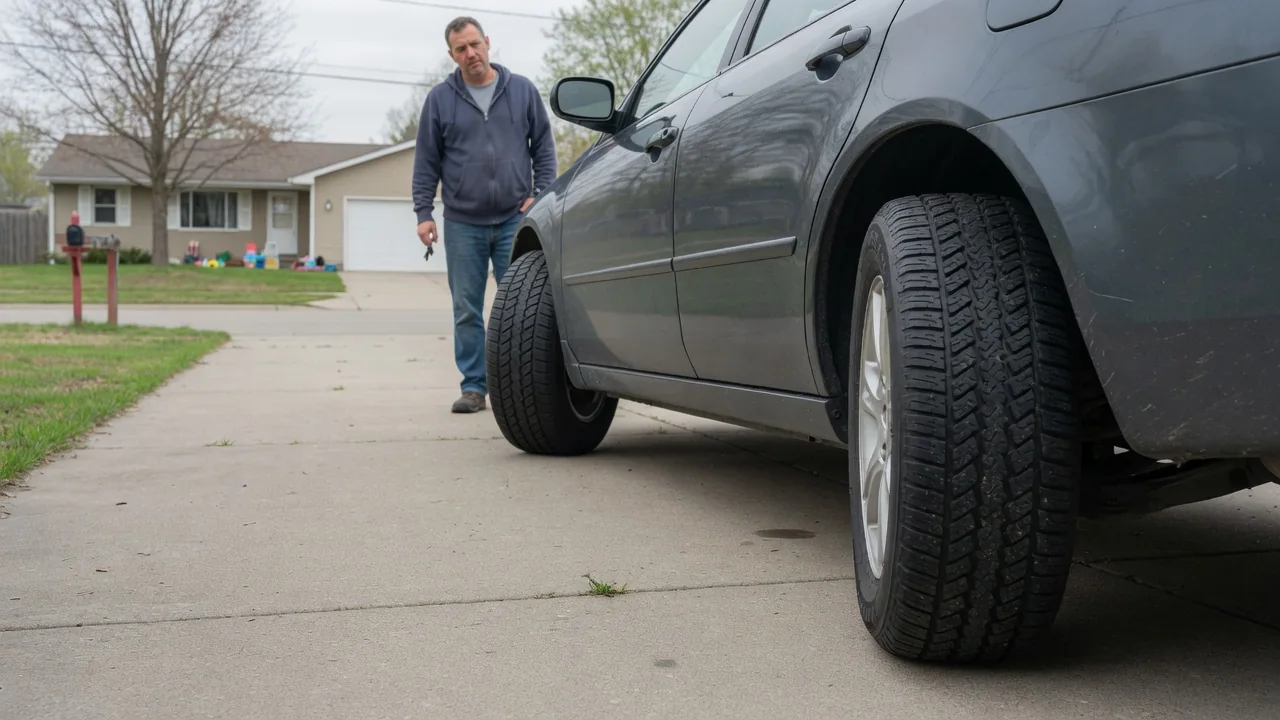
Drivers often ask why does a car feel different after new tires, and the answer lies in three things that change at once: tread depth, inflation pressure and rubber compound. Fresh tires alter how the car steers, rides and sounds, sometimes for the better and sometimes in ways that seem odd at first. Understanding each change helps separate normal break-in behavior from a problem worth checking.
Initial feel
Full-depth tread blocks are taller than the worn ones they replace, so they flex more under cornering and braking loads. That flex, often called tread squirm, can make steering feel slightly soft or delayed for the first stretch of driving, even though the tires are perfectly healthy. Many new tires also carry a thin residue of mold-release lubricant from manufacturing, which can reduce grip a little until it wears off. Tire makers commonly advise gentle acceleration, braking and cornering during this early period.
Compound matters as well. Rubber hardens with age and heat cycles, so the old set may have felt firm and a touch noisy, while the replacement feels more supple over expansion joints and patched pavement. Switching categories changes the character further: a touring all-season tire usually rides more quietly than a performance tire, which trades comfort for sharper turn-in. How pronounced the difference feels depends on the vehicle's suspension tuning, wheel size and sidewall height, so two cars can react quite differently to the same tire.
Correct inflation
Inflation pressure is the easiest variable to overlook. Shops set pressures during installation, but the value may not match the figure on the vehicle's tire placard, usually found on the driver's door jamb, or in the owner's manual. The number molded on the sidewall is the tire's maximum, not the recommended setting for the car. Overinflated tires feel harsh, skittish and noisy over bumps, while underinflated ones feel heavy, vague and slow to respond to steering inputs.
Check pressure with a reliable gauge when the tires are cold, since driving warms the air inside and raises the reading. Some vehicles specify different front and rear pressures, or higher values for heavy loads, so the placard deserves a careful look. If the replacement tires differ in size or load rating from the originals, the appropriate pressure may also differ, and the installer or vehicle manufacturer guidance should confirm it. A tire pressure monitoring warning after installation likewise calls for a gauge check rather than a guess.
Persistent issues
Mild softness usually fades as the tread surface scuffs in, but some sensations point elsewhere. A steering wheel shimmy that appears at highway speed suggests an imbalance, perhaps from a wheel weight that was misplaced or has fallen off. A vibration felt through the seat more often comes from the rear wheels. A tire that was not seated evenly on the rim, or one with excess radial runout, can produce a rhythmic thump that balancing alone will not cure.
A steady pull to one side deserves attention too. New tires do not change alignment, yet they can reveal an existing alignment fault that the worn set had masked, and occasionally a tire's internal construction causes a pull of its own. A shop can swap tires side to side to see whether the pull follows the tire. Directional tread mounted backward, mismatched sizes across an axle, or wheel fasteners not tightened to specification are less common but worth ruling out promptly.
Everyday Use and Observations
In daily driving, the most obvious gains appear in the wet. Deep grooves channel water away from the contact patch, so the car resists hydroplaning and stops with more confidence in rain than it did on worn rubber. Road noise often drops, though an aggressive tread pattern can hum more than the worn tire it replaced. Some drivers notice slightly lower fuel economy at first, since deeper tread and a different compound can raise rolling resistance.
Smaller details show up as well. A new tire has a slightly larger overall diameter than a worn one, so the speedometer reading and the sense of gearing may shift by a hair. Braking on dry pavement can feel a little different while the tread blocks settle. Vehicles with stiff suspensions or low-profile tires transmit these changes more directly, whereas a softly sprung sedan or truck with tall sidewalls may mask them. Paying attention over the first few tanks of fuel gives a fair baseline.
Limits and Next Steps
There are limits to what feel alone can tell you. A sensation is a clue, not a diagnosis, and the same vibration might trace to a tire, a bent wheel, or a worn suspension or steering component that fresh rubber simply made more noticeable. If only two tires were replaced, the difference in grip between axles can change handling balance, and tire makers generally recommend placing the newer pair at the rear. All-wheel-drive systems may be sensitive to mismatched tread depths, so manufacturer guidance matters.
Sensible next steps are simple. Drive moderately while the tires break in, verify cold pressures against the placard, and note whether any oddity is fading or staying constant. Return to the installer if a vibration, pull or noise persists, since rebalancing and inspection are routine checks after a tire change. Many shops also suggest having wheel fastener torque rechecked after a short distance. Any bulge, rapid pressure loss or sudden change in handling warrants stopping and having the tire inspected before driving further.