Why Can New Tires Feel Slippery at First?
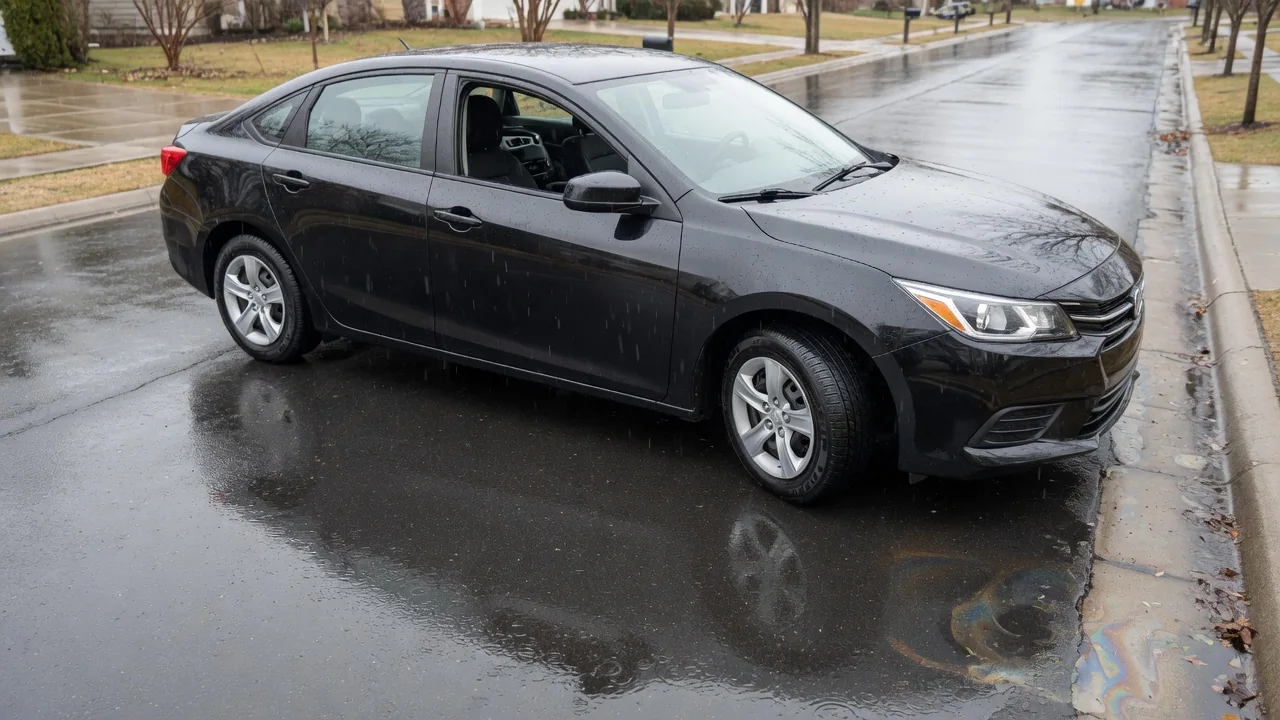
Many drivers notice that a new set of tires feels slightly loose, vague, or less grippy for the first stretch of driving. This new tire initial feel is common and usually temporary. Several things cause it. The tread surface is still in the condition it left the factory in. Full-depth tread behaves differently under load. The driver also expects the tires to feel like the old ones. Knowing each factor helps you tell normal break-in from a problem that needs attention.
Tread surface
Tires are cured in heated molds under pressure, and this process leaves the tread with a smooth outer skin. Manufacturers may also use release agents so the finished tire comes cleanly out of the mold. A brand-new tread surface is therefore slicker than the slightly roughened rubber of a tire that has been driven on. Until road contact wears away that thin outer layer, the rubber may not grip the fine texture of the pavement as well. This is one general reason new tires can feel slippery at first. It is often most noticeable on smooth surfaces and in damp conditions.
Tread depth also plays a part. New tires have full-height tread blocks, and taller blocks flex more under cornering, braking, or accelerating forces. This movement, often called tread squirm, can make the tire feel less planted and a little slower to respond to steering. The amount of squirm depends on the tread pattern, block shape, and rubber compound, so it differs from one tire design to another. As the tread wears, the blocks become shorter and stiffer, and the effect gradually fades.
Some causes come from installation rather than the tire itself. Tire dressing or shine applied to the sidewalls can end up on the tread. Mounting lubricant used on the bead area can leave residue if it is applied carelessly. These films are not part of normal tire construction and usually wear off with driving. They can still add to the slick feeling during the first miles.
Driver adaptation
Drivers get used to the tires they have been driving on. Worn tires with shallow, stiff tread blocks can feel sharp and direct on dry pavement, even though they no longer clear water as well. When a new set with deep tread replaces them, the steering may feel softer and the response less immediate. Drivers can read this change as reduced grip, even when the actual traction is similar or, in wet conditions, better than before.
The effect is often stronger when the new tires are a different model, category, or size from the previous set. Touring, performance, all-season, and winter tires each trade off steering response, comfort, and grip in different ways. Sidewall construction, tread compound, and load rating all change how the vehicle feels. Winter tires, for example, use softer compounds and siped tread designed for cold conditions. They usually feel softer on warm, dry roads because of that design, not because they are still breaking in.
A sensible approach is to drive moderately at first. Steer smoothly, accelerate gradually, brake gently, leave extra following distance, and avoid testing the limits of grip. This gives the tread surface time to scuff in and gives the driver time to learn how the vehicle now responds. Many tire manufacturers recommend a break-in period of normal driving. Follow the tire maker's or installer's guidance on how long it should last.
Inspection
After installation, check the inflation pressure when the tires are cold. Compare it with the vehicle's recommended values, usually listed on the placard in the driver's door jamb or in the owner's manual. The maximum pressure molded into the sidewall is a limit, not a target. Pressure that is too high shrinks the contact patch and can make the vehicle feel skittish. Pressure that is too low can make steering feel vague and imprecise. Either condition can be mistaken for break-in slipperiness.
A visual inspection also helps. Look for a glossy residue on the tread that might be dressing or lubricant. On directional tires, check that the rotation arrows point forward on both sides of the vehicle. On asymmetric tires, check that the side marked outside faces outward. Make sure the size and type match the vehicle's specification and that the tires on each axle match each other.
Some symptoms point to something other than normal break-in and should be checked by a tire shop. These include a pull to one side, an off-center steering wheel, vibration at certain speeds, unusual noise, or traction and stability control stepping in more often than expected in ordinary driving. Such signs can mean an alignment, balancing, or mounting problem. Many shops also advise rechecking the wheel fastener torque after the first period of driving, and following that advice is part of a complete inspection.
Practical implications and limits
Feeling slippery is not the same as having less grip. The early feeling comes from the surface condition, tread flex, and unfamiliarity, and it usually fades with normal use. It does not mean new tires are less safe than the worn ones they replaced, since deep tread generally clears water better than shallow tread. What matters in the first miles is that the driver does not yet know how the new tires behave near their limits. That is a reason for caution, not alarm.
General explanations can only predict so much. How noticeable the effect is, and how long it lasts, depends on tire construction and compound, road surfaces, temperature, vehicle weight, suspension design, and driving style. Two vehicles with the same tires may not feel the same. Shortcuts such as deliberate wheelspin, burnouts, or putting solvents on the tread do not replace normal driving. They can damage the tire, make it wear unevenly, and create hazards of their own.
If the tires still feel unsettled after the recommended break-in, or if any of the warning signs appear, treat it as a problem to diagnose rather than something to get used to. A professional check of pressure, mounting, balance, and alignment fixes most causes that break-in does not.