Why Do Cars Use Different Fasteners in One Area?
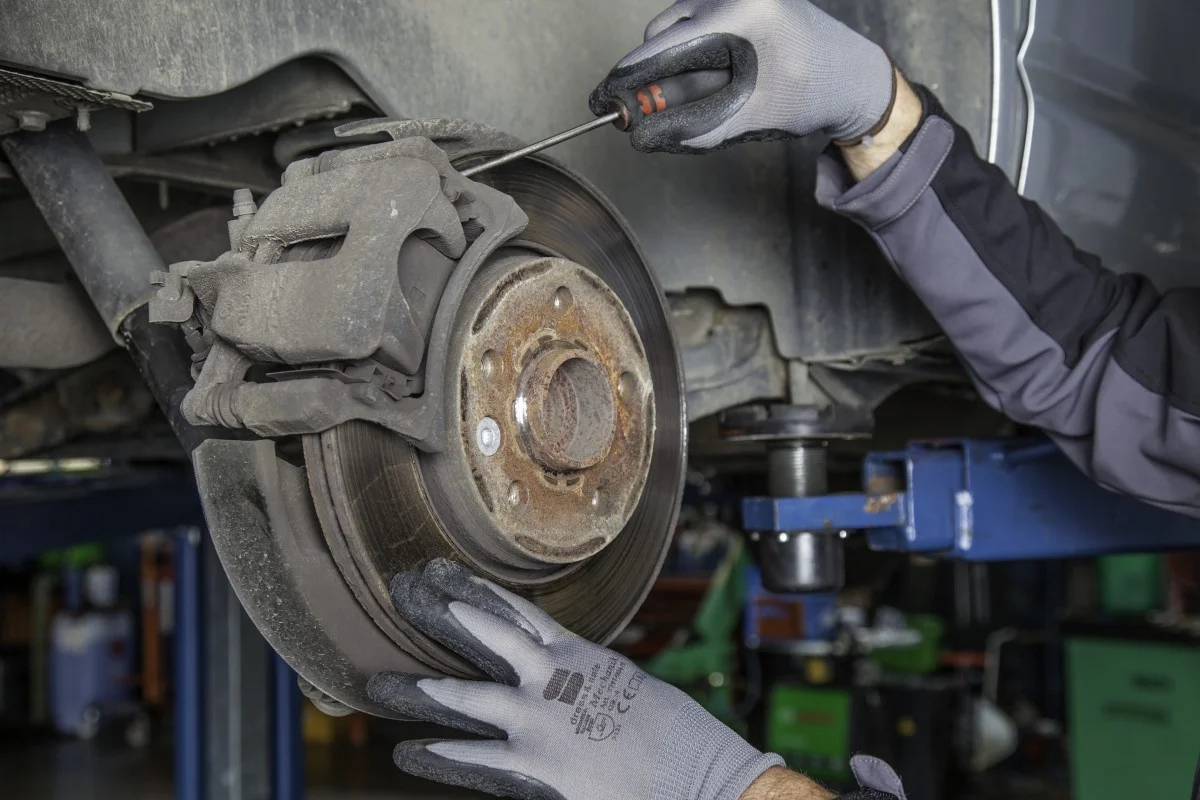
Remove a single bumper cover or inner fender liner and you may find hex bolts, push pins, screws and spring clips all within a hand's width. That variety is deliberate. If you have wondered why do cars use different fasteners in one area, the answer comes down to three things: how much load each joint carries, how often it needs to come apart, and what materials are being joined.
Bolts and clips
A threaded bolt creates clamping force. When it is tightened, it stretches slightly and squeezes the parts together, which lets the joint resist vibration, shear and pulling loads. That is why structural or heavy items, such as a bumper reinforcement, a fender edge, or a bracket holding a washer reservoir, are normally bolted to metal. A clip works differently. It simply holds a light panel in position with spring tension or an expanding plastic body, and carries very little load of its own.
Engineers mix the two because one panel often has both jobs. A front bumper cover, for instance, may be bolted at the upper corners where it must stay aligned with the fender, yet clipped along the lower edge where it only needs to stay closed against airflow. Looking at the area, you can usually see the logic: bolts sit where metal meets metal or where a panel is located precisely, while clips fill the spans in between. Exact layouts differ by manufacturer and model.
Plastic trim
Plastic behaves very differently from steel, and fastener choice reflects that. Trim panels expand and contract with temperature much more than the body shell they attach to, so a rigid bolt through every hole could cause warping, cracking or squeaks. Push-type retainers, fir tree clips and sliding tabs allow a small amount of movement while still holding the panel flat. Many plastic parts also cannot tolerate high clamping force, since the material slowly deforms under a tight bolt head and the joint loosens.
Where a screw is used in plastic, it is often paired with a clip-on metal nut or a wide washer head that spreads the load across a larger surface. Interior door panels show the mix clearly: hidden clips around the perimeter keep the surface clean, while a few screws behind the pull handle or armrest take the force of someone tugging the door shut. Underbody shields and wheel arch liners follow similar reasoning, though the number and style of retainers varies widely between vehicles.
Correct replacement
Because each fastener was chosen for a specific job, substituting whatever fits the hole can cause problems. A bolt of the same thread but a different length may bottom out or contact something behind the panel. A different strength grade or head style can change how the joint behaves under load. Coatings matter as well, since a plain steel fastener against aluminum or in a wet area can corrode quickly, staining the panel and seizing in place before the next service visit.
Clips deserve the same care. Many plastic retainers are designed for limited reuse and lose their grip once the legs have been stretched or the center pin has been pried out several times. A replacement that is slightly too small leaves a panel loose, while one that is too large can split the mounting hole. Matching the original by diameter, stem length and head shape is the reliable approach, and a parts diagram for the specific vehicle is the best way to confirm which type belongs where.
Everyday Use and Observations
Most owners notice fastener differences during ordinary jobs such as replacing a headlight bulb, cleaning behind a splash shield or fitting a cabin filter. Parts meant for regular access tend to use quick-release retainers, quarter-turn fasteners or a few easily reached screws, so they can be opened without special tools. Components that should stay undisturbed for years are more likely to be bolted firmly. The fastener style is often a quiet hint about how frequently the manufacturer expected that area to be serviced.
Signs of a mismatch or a missing fastener are usually easy to spot. A liner that rubs the tire at full steering lock, an undertray that droops or scrapes, a bumper corner that sits proud of the fender, or a new buzz from the dashboard often traces back to a clip that was broken or left out. Empty holes, mismatched screw heads and fresh rust streaks around one bolt are worth a closer look, particularly after body repair or recent service work.
Limits and Next Steps
General reasoning explains the pattern, but it cannot tell you the exact fastener for a given hole. Thread sizes, tightening values, clip designs and whether a fastener is single-use all depend on the vehicle, and some bolts are intended to be replaced whenever they are removed. Fasteners tied to suspension, brakes, steering, seats, seat belts and airbag components fall into a separate category where guessing is not acceptable. For those, the manufacturer's service information is the only dependable reference.
For simple trim and shields, a sensible next step is to keep removed fasteners grouped by location and note where each came from before reassembly. If something breaks or goes missing, a dealer parts counter or a well-labeled retainer assortment can supply a proper match. When a panel will not sit flush, a bolt will not start by hand, or a fastener in a safety-related area looks damaged, having a qualified technician inspect it is safer than forcing a substitute into place.