What Is a Car's Frontal Area?
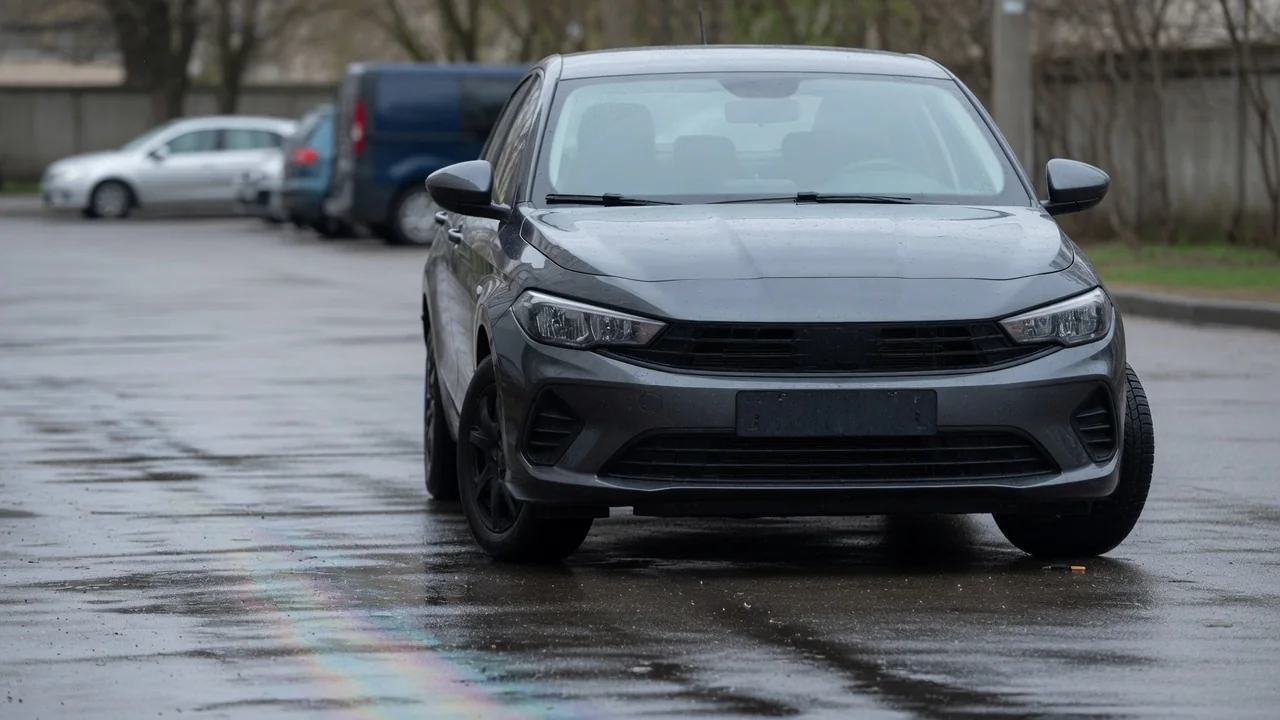
Anyone asking what is a car's frontal area is really asking how much vehicle the oncoming air has to move around. It is the size of the silhouette a car presents when viewed straight from the front, and it helps explain why two vehicles with similar shapes can need very different amounts of energy to hold highway speed.
Height and width
Frontal area is the two-dimensional outline a vehicle casts when you look at it head-on, as if a bright light behind the car threw its shadow onto a wall. Height and width set the outer limits of that shadow, which is why a tall, wide pickup presents far more surface to the air than a low sports coupe. Body length does not count here, because the measurement only concerns what the airflow meets first, not how far the body stretches behind it.
Multiplying overall height by overall width overstates the true figure, because a car is not a rectangle. The roof tapers inward above the beltline, the corners are rounded, and there is open space beneath the floor between the tires. Engineers therefore measure the actual projected outline, including mirrors, tires and anything else that sticks out. As a rough guide, the real silhouette covers only part of the height-times-width box, and the exact proportion varies with body style, ground clearance and how upright the cabin sides are.
Drag context
Frontal area matters because aerodynamic drag depends on two vehicle properties working together: how large the body is and how cleanly its shape lets air pass. The shape portion is described by the drag coefficient, while frontal area supplies the size. Multiply them and you get a combined value often called drag area, which is a more honest indicator of air resistance than either number alone. A slippery shape on a very large body can still push more air than a blunter shape on a small one.
This explains some comparisons that seem odd at first. A big sport utility vehicle may advertise a drag coefficient close to that of a compact hatchback, yet it still needs more power to cruise at the same speed because its silhouette is so much larger. Drag force also climbs steeply as speed rises, so the penalty of a large frontal area is modest in city driving and far more noticeable on the highway, where air resistance becomes one of the main loads the powertrain must overcome.
Reading specs
Manufacturers publish drag coefficients far more often than frontal area, so the figure can be hard to find in a brochure. When it does appear, it is usually given in square meters or square feet, sometimes alongside a combined drag area value. Check which one you are reading, because the two can look similar on a spec sheet while describing different things. Technical press materials and engineering papers are more likely to list it than consumer-facing sales pages.
Published figures also depend on how the vehicle was configured and measured. Ride height, tire size, mirror design and optional roof rails can all change the outline, so a single model line may have several valid values across trims. Measurement methods differ as well, from scaled photographs to laser or digital model projections. Treat a number as specific to the version it was quoted for, and be cautious when comparing figures from different sources unless you know they were produced the same way.
Everyday Use and Observations
You can see frontal area at work without any instruments. Park a sedan beside a full-size van and stand well back in front of them: the difference in the wall of bodywork facing you is the difference the air experiences. Drivers often notice it on the road too, as taller, wider vehicles tend to use more fuel or battery energy at sustained highway speeds than lower ones with comparable powertrains, even when both are driven gently.
Accessories change the picture as well. A roof box, a bicycle carrier, a ladder rack or a lift kit with larger tires all add to the silhouette the air must get around, and many of them disturb the airflow too. Owners frequently observe reduced highway range or economy, plus more wind noise, after fitting such equipment. Removing a roof carrier when it is not needed is one of the few ways a driver can actually reduce the size a vehicle presents to oncoming air.
Limits and Next Steps
Frontal area is useful, but it does not tell the whole story. It says nothing about how air behaves along the underbody, around the wheels or in the wake behind the tail, all of which the drag coefficient captures. Nor does it reflect weight, tire rolling resistance or drivetrain efficiency, which dominate at lower speeds. Two vehicles with identical silhouettes can therefore return quite different real-world consumption, and a smaller outline alone does not guarantee an efficient car.
For a meaningful comparison, look for both the frontal area and the drag coefficient for the exact trim you are considering, and confirm them against the manufacturer's own technical data where available. If only one figure is published, treat any conclusion as approximate. Body style offers a sensible first clue, since low sedans and wagons generally present less to the air than tall crossovers and trucks, but the specific numbers for a given vehicle are the only reliable basis for judging its aerodynamic load.