Why Do Cars Have Software Release Notes?
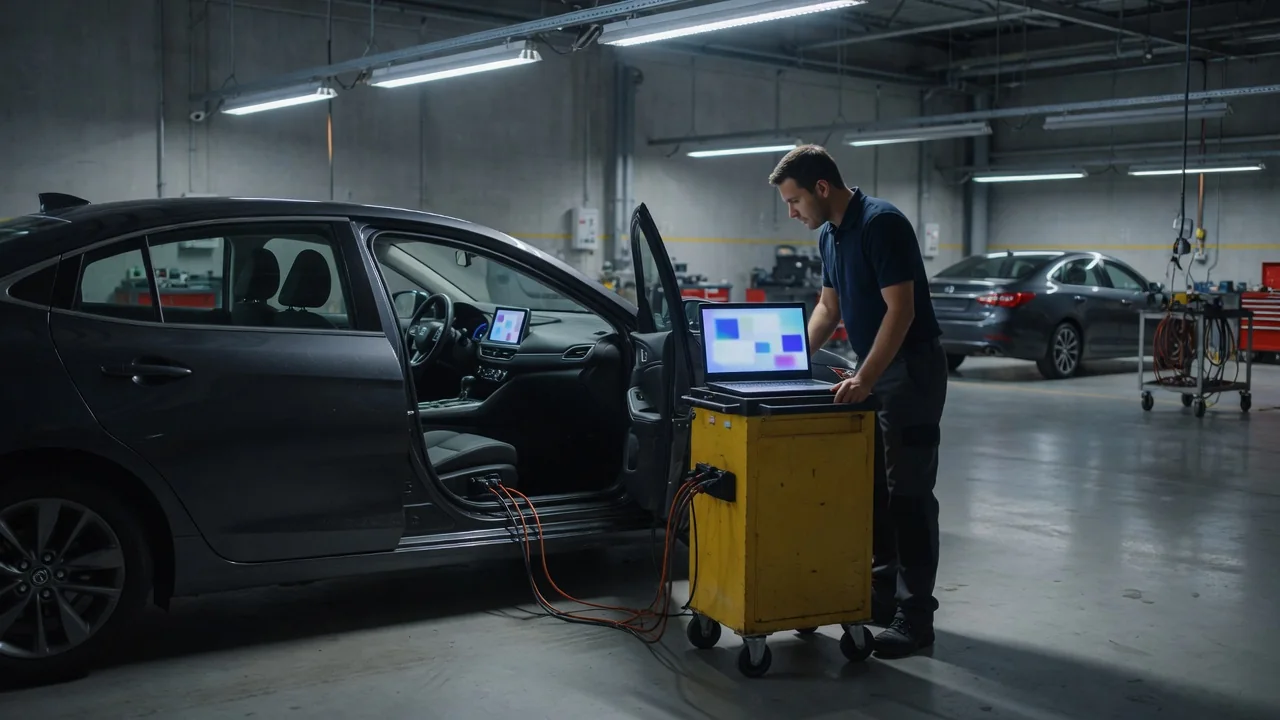
Modern vehicles run software on many electronic control units, which manage everything from the infotainment screen to charging, driver assistance, and the powertrain. When that software changes, the car itself can behave differently. Software release notes tell owners what changed, why it matters, and what they need to do, if anything. Knowing how to read vehicle software update notes helps you avoid surprises and make informed decisions after an update.
Changed behavior
Cars have software release notes mainly because an update can change how the vehicle feels and responds, even though no part was replaced. A conventional car's behavior was largely fixed when it left the factory, apart from service work. A software-defined vehicle is different. After an update, menus may be reorganized, or a driver assistance feature may react with different timing. A charging screen may show new options, or a warning message may appear under new conditions. Without a written explanation, an owner could easily mistake an intended change for a fault.
Release notes typically group changes into categories. Some describe new features or expanded functions. Others describe improvements, such as faster screen response or more accurate voice recognition. Many list fixes for previously reported issues, and some updates address security weaknesses in connected systems. Sometimes an update is the fix for a safety recall, and the notes may mention that campaign. The level of detail varies widely between manufacturers and between updates. One set of notes may be a few vague lines, while another explains each change step by step.
Release notes also matter because updates can arrive in different ways. Over-the-air updates download through the vehicle's cellular or Wi-Fi connection. Other updates are installed by a dealer or service center using diagnostic equipment. Because over-the-air delivery can change the car without a service visit, the notes are often the only direct communication an owner receives about what is now different.
Known limits
Release notes are a summary, not a complete technical record. Manufacturers usually describe changes in plain language and often leave out low-level details, especially for modules that control the engine, transmission, battery, or brakes. Phrases such as "general improvements" or "stability enhancements" are common and may cover many small adjustments that are never listed individually. Owners should not assume the notes list every change the update made.
The notes may also not apply in full to every car. The same software version may behave differently depending on market, trim level, installed hardware, or optional equipment. Some features described in the notes may not be available on every vehicle that receives the update. Certain functions may depend on an active connected services subscription, regional regulations, or a specific hardware generation. When the notes do not state these conditions clearly, check the owner's manual or the vehicle's on-screen information, or ask the dealer, to confirm what applies to your car.
Finally, release notes describe what the manufacturer intended, not a guaranteed result. An update meant to improve range estimation, sensor performance, or connectivity may not make a noticeable difference in every driving condition. Notes rarely include measured performance figures. When they mention improvements, those are the manufacturer's own description, not the result of an independent test.
Owner action
The simplest step is to read the notes before installing an update. Many vehicles show release notes on the central screen or in the manufacturer's mobile app once an update is available. Look for changes to how a safety or driver assistance feature works, how warnings are shown, or where a frequently used control has moved. If a change affects a feature you rely on daily, learn the new behavior while parked rather than discovering it while driving.
The installation itself also needs attention. Follow the on-screen instructions about where to park, whether the vehicle must stay off, and how long it may be unavailable. Many updates require that the car not be driven during installation. Some also recommend a minimum battery charge or a stable connection. Interrupting an installation against instructions can cause problems, so plan updates for a time when you don't need the car.
After the update, check the installed software version in the vehicle settings and note the date and version. That record helps if you later notice unexpected behavior, need to discuss an issue with a service center, or want to verify that a recall-related update was completed. If something works differently from what the notes describe, or a feature stops working, report it to the dealer or the manufacturer's support channel. Describe specifically when and how the problem occurs.
Practical implications and limits
Software updates change the ownership experience over time. A car bought today may work somewhat differently a year from now, which affects how useful guides, reviews, and even the printed owner's manual remain. A printed manual describes the vehicle at one point in time, while release notes record the changes made since. Many manufacturers also provide a digital manual that may be updated. Even so, owners should not assume that every printed instruction still matches the car's behavior after several updates.
Updates also affect resale and service history. Someone buying a used connected vehicle may want to know which software version is installed and whether any updates or recall campaigns are still outstanding. Some updates can only be applied at a dealer. A car that has never visited one may be missing those updates, even if it receives other updates over the air. Asking for the current version and update history is a reasonable part of a pre-purchase check.
Updates also involve trade-offs. Owners can often postpone some updates, but doing so may leave known issues or security weaknesses unfixed, and recall-related updates generally should not be ignored. On the other hand, a new version occasionally introduces problems of its own, which later updates may correct. Release notes cannot remove that uncertainty, but they give owners a clear starting point for understanding what their car is doing and why.