When periodic vehicle safety inspections are required
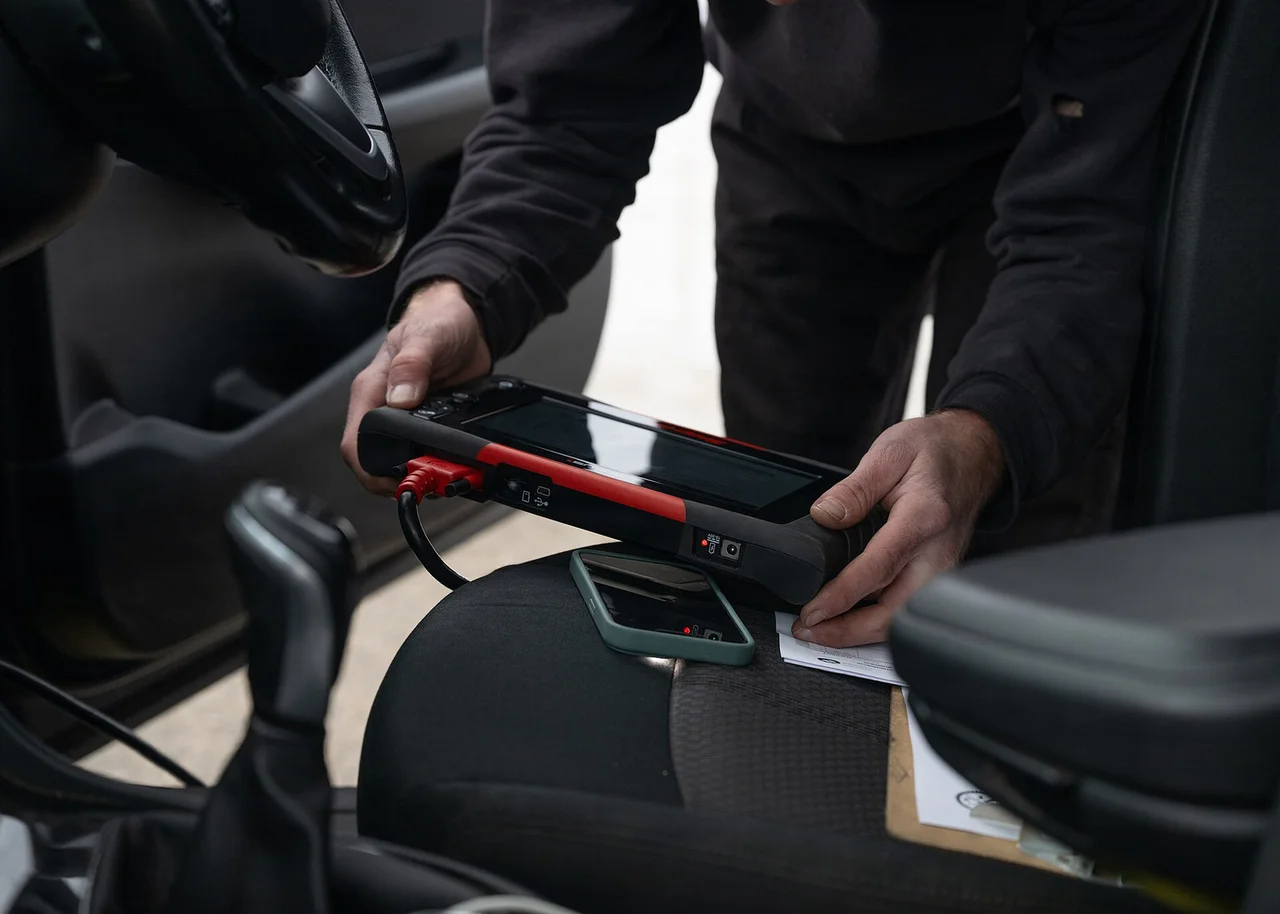
In the United States, whether a periodic safety inspection is required depends mainly on where the vehicle is registered and what kind of vehicle it is. There is no single nationwide rule requiring private passenger cars to pass a recurring safety check. Each state decides whether it requires one, how often, and which vehicles are covered or exempt. Commercial vehicles are a separate case, because federal motor carrier rules apply to them in addition to state law.
What a periodic safety inspection is
A periodic safety inspection is a recurring, government-mandated check of a vehicle's roadworthiness, meaning its ability to be driven safely on public roads. It is carried out on a set schedule, often tied to registration renewal, rather than only when the vehicle is sold or after a problem is reported. Where these programs exist, the inspection is usually done at a licensed or state-certified station. A passing result is commonly a condition of keeping the vehicle legally registered.
Exact checklists differ by jurisdiction. Inspections commonly cover systems that directly affect crash avoidance and visibility:
Brakes, including the parking brake; Lights, turn signals and reflectors; Steering and suspension components; Tires and wheels; Windshield, wipers and mirrors; Horn; Exhaust system integrity, such as leaks
Who requires periodic safety inspections
For personal vehicles, the requirement comes from state law and is administered by the state motor vehicle agency or a related department, such as state police in some places. Some states require recurring safety inspections. Others have none. Some have repealed their programs or narrowed them to certain vehicle types. Because these programs change through legislation, a list of states that was accurate in the past may no longer be correct.
For commercial motor vehicles used in interstate commerce, federal motor carrier safety regulations require periodic inspection, at least annually, regardless of the state of registration. States may add their own requirements for commercial vehicles operating within the state.
Vehicle category | Who sets the requirement | Key qualification; Private passenger vehicles | Individual states | Requirement, interval and exemptions vary by state, and some states have no periodic safety inspection; Commercial motor vehicles in interstate commerce | Federal motor carrier rules, plus state rules | Periodic inspection applies under federal rules, and states may impose additional checks; Specialty categories such as antique, collector or new vehicles | Individual states | Often treated differently, so check the state's exemption rules
Safety inspections versus emissions inspections
Safety inspections are often confused with emissions inspections, but they are different requirements. An emissions inspection, sometimes called a smog check, tests whether a vehicle's pollution output and emissions-control equipment meet standards. These programs are tied to federal air-quality requirements and are often limited to particular counties or metropolitan areas. A state can require emissions testing without requiring safety inspections, require both, or require neither. A state can also require both but only in certain areas. Knowing which type of inspection a state requires matters when you read its rules.
Situations that can trigger an inspection
Even in states without a recurring safety program, a vehicle may need an inspection in specific situations. Depending on the state, these can include:
Registering a vehicle brought in from another state; Transferring ownership after a sale; Retitling a vehicle with a salvage or rebuilt history; Verifying a vehicle identification number (VIN), the unique code that identifies a specific vehicle
These one-time checks are not the same as a periodic inspection. Some are limited to confirming identity and paperwork rather than evaluating mechanical condition.
How to confirm whether your vehicle needs one
The reliable source is the motor vehicle agency in the state where the vehicle is or will be registered. When reviewing its rules, check these points:
Does the state require periodic safety inspections, emissions inspections, both, or neither? Does the requirement apply statewide or only in certain counties? How often must the inspection be done, and is it tied to registration renewal? Which vehicles are exempt, for example by age, type or use? If the vehicle is used commercially, which federal and state inspection rules apply?
Limits of this overview
This guide explains how inspection requirements are structured in the US. It does not provide a state-by-state list, inspection intervals for particular states, fees, exemption ages or effective dates, because no verified data on those details was available for this article. State programs are also changed through legislation. Confirm current rules with the relevant state agency before relying on any specific requirement.