Does South Carolina Require Vehicle Safety Inspections?
If you are registering a car in South Carolina or moving there from another state, you may wonder whether you need a safety inspection sticker or an emissions test. For most private passenger vehicles, you do not. South Carolina has no periodic safety inspection program and no emissions testing program for ordinary cars and light trucks. That does not mean condition doesn't matter, though. Equipment laws still apply, and some vehicle categories follow separate rules.
The Short Answer
South Carolina does not require routine safety inspections for privately owned passenger vehicles. The state ended its periodic safety inspection requirement in the mid-1990s. Since then, owners have registered and renewed passenger cars, SUVs, pickups and motorcycles without passing a scheduled inspection or showing an inspection certificate.
South Carolina also has no emissions test requirement for registration. You do not need to visit an emissions testing station before you title, register or renew a vehicle.
What "No Inspection" Means in Practice
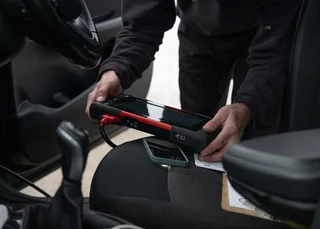
In states with inspection programs, a licensed station checks a vehicle against set inspection criteria. These usually cover brakes, lights, steering, tires, wipers and the horn. A vehicle that passes gets a test certificate or windshield sticker. A vehicle that fails must be repaired and brought back for a retest. None of that applies to private passenger vehicles in South Carolina.
For a typical South Carolina owner, this means: • No annual or biennial safety inspection before registration renewal; • No inspection sticker or certificate to display or keep with the vehicle; • No emissions test, regardless of the vehicle's age or fuel type; • No failed-inspection repair deadlines or retest appointments
Equipment Laws Still Apply
Without inspections, the state doesn't check your car on a schedule. It still expects the car to be roadworthy. South Carolina traffic law sets requirements for working equipment, and police can stop and cite a driver whose vehicle is visibly unsafe or out of compliance.
Common equipment issues that can lead to a citation include: • Headlights, taillights, brake lights or turn signals that don't work; • Worn or defective brakes; • Tires with inadequate tread or visible damage; • A cracked or obstructed windshield that limits the driver's view; • Window tint darker than state law allows; • A missing or excessively loud muffler; • A missing or obscured license plate, or no working plate light
In practice, upkeep is the owner's responsibility. Regular maintenance and a quick walk-around to check lights and tires can stand in for what an inspection station would otherwise verify.
Exceptions and Separate Rules
The lack of a state inspection program applies to private passenger vehicles. Some vehicles and situations fall under other requirements.
Situation | Inspection-related requirement; Private passenger cars, SUVs, pickups, motorcycles | No periodic safety inspection or emissions test; Commercial motor vehicles in interstate commerce | Federal motor carrier rules generally require periodic inspections and records; School buses and certain public-service vehicles | Inspected under separate state or agency programs; Rebuilt salvage or vehicles with VIN problems | May require a vehicle identification check during titling; confirm with the SCDMV
Vehicle identification checks are different from safety inspections. They confirm that the vehicle identification number (VIN) on the vehicle matches the title paperwork and isn't tampered with or reported stolen. They don't evaluate mechanical condition. Whether a check applies depends on how the vehicle was titled before, so read the South Carolina Department of Motor Vehicles (SCDMV) requirements for your situation before you visit.
Moving To or From South Carolina
If you move to South Carolina from a state with inspections, you don't need a South Carolina inspection to transfer your title and registration. Any inspection sticker from your previous state has no effect on South Carolina registration.
If you leave South Carolina for a state that requires safety inspections or emissions testing, plan for that state's rules. Your vehicle will likely need to pass under the new state's criteria within a set period after you register it there. Because South Carolina never required a check, problems such as worn suspension parts or a lit check-engine light may not have come up until then.
Buying a Used Car in South Carolina
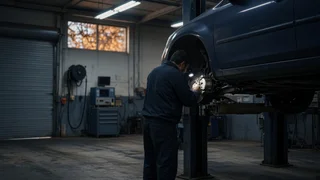
The lack of required inspections matters most when you buy a used vehicle. No state-mandated inspection screened the car, so its condition depends entirely on how earlier owners maintained it. Consider having an independent mechanic do a pre-purchase inspection before you commit, especially on a private-party sale. Have a VIN-based history report run as well to check for title brands, reported accidents and odometer inconsistencies.
Bottom Line
South Carolina does not require safety inspections or emissions tests for private passenger vehicles. You can register and renew without an inspection certificate. You are still responsible for keeping your vehicle's equipment working and legal. Commercial vehicles, school buses and certain titling situations follow separate rules. If your situation falls outside ordinary passenger-vehicle ownership, check current SCDMV requirements.