Connecticut Vehicle Safety Inspection Requirements
The Short Answer
Connecticut does not require a routine, recurring safety inspection for most privately owned passenger vehicles. Many drivers who move from states with annual safety checks expect one, but in Connecticut a safety or identification inspection applies only in specific situations. The recurring requirement most Connecticut owners deal with is emissions testing, which is a separate program with its own rules.
Safety Inspection Versus Emissions Testing
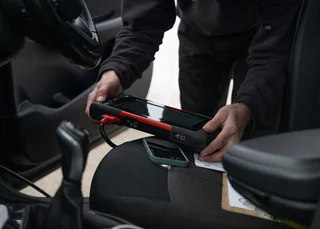
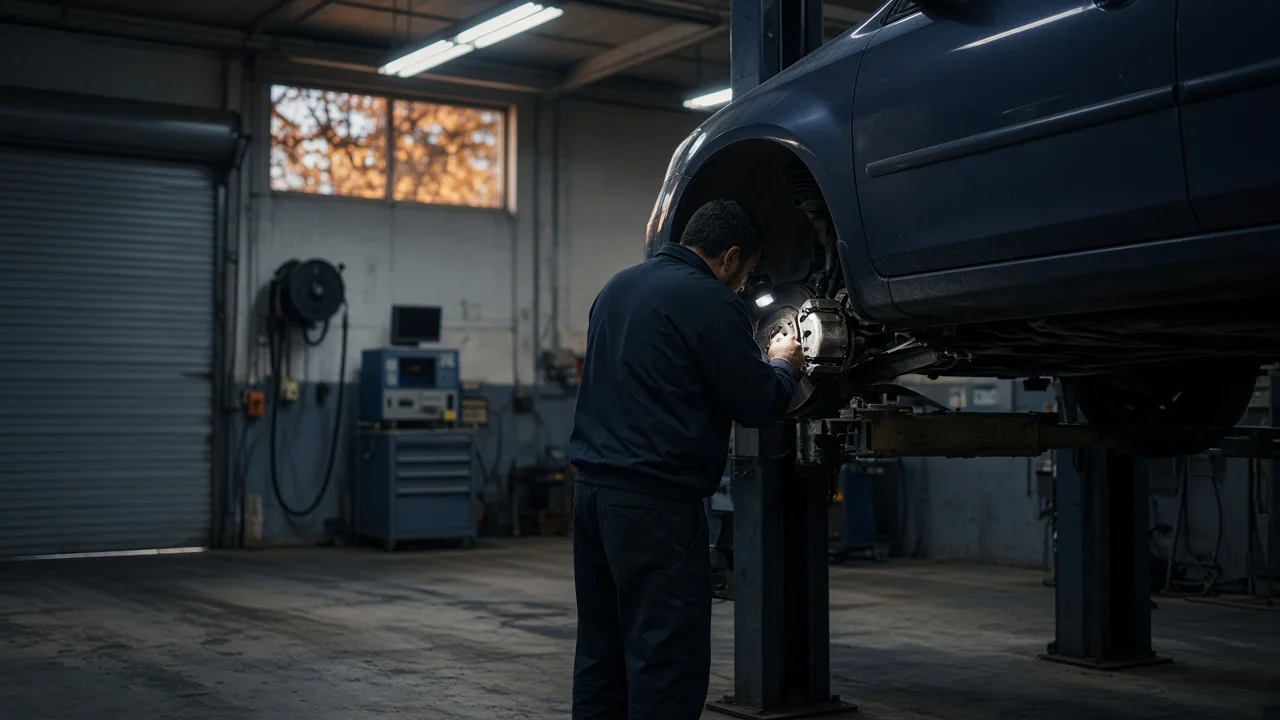
The two checks are often confused, so the distinction matters. A safety inspection examines equipment that affects safe operation, such as brakes, lights, steering, tires and related components. It may be paired with a VIN verification, which confirms that the vehicle identification number, the unique code assigned to each vehicle, matches the title and registration documents. An emissions test checks that the vehicle's exhaust and emissions-control systems meet state standards. In Connecticut, emissions testing recurs for many vehicles, while a safety or VIN inspection is tied to particular circumstances.
When an Inspection May Be Required
Connecticut generally ties safety or VIN inspections to the vehicle's history or registration status rather than to a calendar schedule. Common triggers include:
Registering certain vehicles that were previously titled or registered in another state; Vehicles with salvage, rebuilt or similarly branded titles being returned to the road; Vehicles assembled from parts or otherwise lacking a standard manufacturer identity; Certain commercial or special-category vehicles; Cases where the DMV needs to confirm a vehicle's identity or condition before issuing a title or registration
Whether a given vehicle falls into one of these categories can depend on its age, title status, vehicle type and prior state of registration. The exact thresholds and categories are set by the Connecticut Department of Motor Vehicles and can change.
What This Guide Could Not Confirm
No confirmed source material was available for this article. It therefore does not state vehicle age cutoffs, emissions testing intervals, fees, exempt vehicle classes, inspection locations or recent rule changes. Treat the overview above as general orientation, not a complete statement of current law.
Next Step
If you are registering a vehicle from out of state, restoring a salvage-titled vehicle, or unsure whether your vehicle needs an inspection, check directly with the Connecticut Department of Motor Vehicles before your registration appointment. Have your title, prior registration and VIN ready so the DMV can tell you whether a safety inspection, a VIN verification, an emissions test or none of these applies.