Ohio Vehicle Safety Inspection Requirements and Checklist
The short answer
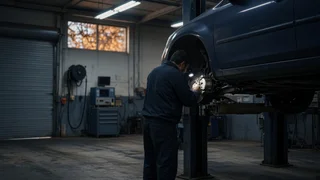
Ohio does not run a periodic safety inspection program for privately owned passenger cars and light trucks. There is no annual safety inspection tied to registration renewal and no state-issued safety sticker for ordinary private vehicles. That does not mean anything goes. Vehicles driven on Ohio roads must still meet the state's equipment requirements, and specific situations, such as titling a vehicle brought in from another state, rebuilding a salvage vehicle, operating certain commercial vehicles or registering a car in an emissions-testing area, trigger their own inspections or tests.
How Ohio differs from states with mandatory inspections
In states with a roadworthiness certification program, owners must take the vehicle to a licensed station at set intervals, where a technician checks items such as brakes, lights, tires and steering against an official checklist before registration can be renewed. Ohio relies on a different model. Equipment standards are written into state law and enforced on the road, mainly through traffic stops and citations, rather than through scheduled pre-registration inspections. The responsibility for keeping a private vehicle in safe working order therefore rests with the owner.
Inspections that can still apply in Ohio
Situation | Type of check | What it is meant to confirm; Vehicle registered in an Ohio emissions-testing area | E-Check emissions test | That the vehicle meets emissions standards; it is not a safety inspection; Vehicle previously titled in another state | VIN inspection | That the vehicle identification number matches the ownership documents; it does not evaluate mechanical condition; Salvage vehicle being rebuilt for road use | Salvage inspection by the Ohio State Highway Patrol | Primarily the vehicle's identity and the documented origin of major replacement parts, as an anti-theft measure; Commercial motor vehicles | Federal motor carrier inspection requirements, plus state enforcement | Mechanical safety of trucks and buses used in commerce; School buses | State inspection program | Safety and equipment compliance of vehicles transporting students; Any vehicle on a public road | Roadside enforcement | That required equipment is present and working
E-Check applies only in designated counties in northeast Ohio, centered on the Cleveland and Akron area, and whether a given vehicle must be tested depends on factors such as its county of registration, model year, fuel type and weight. Because the covered areas and exemptions can change, owners should confirm current requirements before registration renewal rather than relying on a fixed list.
Ohio equipment standards still apply
Ohio law sets requirements for equipment such as lighting, brakes, mufflers, mirrors, windshields and window tint. A police officer who sees defective or missing equipment can stop the vehicle and issue a citation, and unsafe equipment can also become a factor after a crash. In practice, the absence of a scheduled inspection shifts the job of checking roadworthiness from a state-licensed station to the owner.
A practical roadworthiness self-check
The list below is editorial guidance built around equipment that state law and general vehicle safety practice treat as essential. It is not an official Ohio inspection form, and it does not cite exact legal limits.
Headlights: both low and high beams work and are aimed so they do not dazzle oncoming drivers; Rear lighting: taillights, brake lights, turn signals, hazard lights and license plate light all function; Brakes: the pedal feels firm, the car stops straight, and there is no grinding, pulsing or warning light; Parking brake: holds the vehicle on a slope; Tires: adequate tread depth, no cords showing, no bulges or cuts, and correct inflation; Windshield: no cracks or damage that block the driver's view; Wipers and washers: blades clear the glass without streaking and the washer fluid sprays; Mirrors: present, secure and unbroken; Horn: sounds clearly; Exhaust: no loud leaks, and the muffler is intact and securely mounted; Seat belts: every belt latches, releases and retracts properly; Steering and suspension: no excessive play in the steering, clunking over bumps or pulling to one side; Window tint: aftermarket film complies with Ohio's tint rules; Dashboard warnings: no active brake, airbag, steering or check-engine lights left unresolved
Gaps in this guide and what to verify
No confirmed figures were available for this guide, so it does not state fees, testing intervals, the current list of E-Check counties, model-year exemptions, minimum tread depth or exact window-tint percentages. For those details, check with the Ohio Bureau of Motor Vehicles for titling and VIN inspections, the Ohio Environmental Protection Agency for E-Check, and the Ohio State Highway Patrol for salvage, school bus and commercial vehicle inspections. Owners of commercial vehicles should also review the federal motor carrier rules that apply to their vehicle class.