Vehicle Safety Inspection and Roadworthiness Certification Requirements
The Short Answer
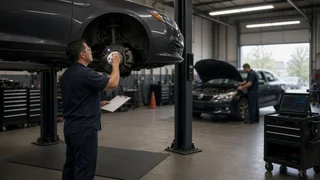
A motor vehicle inspection (often shortened to MVI) is a check of whether a vehicle's safety-related equipment meets the standards set by the authority that registers it. When the vehicle passes, the result is usually recorded with a sticker, a certificate or an electronic record, and that record serves as proof of roadworthiness. In the United States there is no single national inspection requirement for private passenger vehicles. Each state decides whether a periodic safety inspection is required, how often it happens, what is checked and who may perform it.
Whether you need an inspection at all, and what it involves, depends on where the vehicle is registered and what kind of vehicle it is. For any specific requirement, the state motor vehicle agency is the authoritative source.
Qualifications That Change the Answer
State of registration: some states require periodic safety inspections, some require only emissions testing, and some require neither for typical private passenger vehicles. Safety versus emissions: a safety inspection checks mechanical and equipment condition, while an emissions test checks exhaust output or emissions-control systems. A state may require one, both or neither, and the two may be done in the same visit or separately. Vehicle type and use: commercial vehicles are often handled differently from private cars. Commercial motor vehicles operating in interstate commerce are subject to federal annual inspection rules, separate from any state program for passenger cars. Triggering events: some jurisdictions require an inspection only at specific points, such as when a vehicle is registered, transferred or brought in from another state, rather than on a fixed schedule. Terminology: "MVI" and "safety certificate" are common terms in some jurisdictions outside the US, including parts of Canada. US states use their own program names, so official guidance may describe the same process differently.
What a Safety Inspection Typically Covers
Checklists vary by state, so the items below describe what safety inspections commonly focus on rather than any one official list. Use your state's published checklist for the exact items and pass or fail criteria.
Brakes, including the parking brake; Steering and suspension components; Tires and wheels, including tread depth and visible damage; Headlights, taillights, brake lights, turn signals and other required lamps; Horn; Windshield condition, wipers and washers; Mirrors; Seat belts; Exhaust system integrity, such as leaks; Vehicle identification and required documentation
What to Confirm Before an Inspection
Whether your state requires a safety inspection, an emissions test, both or neither for your vehicle type; How often the inspection is required and what triggers it, such as registration renewal or a change of ownership; Where it can be performed, whether at state-run stations or licensed private facilities; The current fee, if any; Which documents to bring, typically registration and proof of insurance; What happens after a failed inspection, including any repair and re-inspection window
Gaps in This Guide
No confirmed state-by-state data was available for this guide. It does not cover which states currently require safety inspections, inspection intervals, fees, the exact checklist items or pass and fail thresholds in any state. These details change over time and differ by jurisdiction, so check them directly with your state motor vehicle agency before scheduling an inspection.