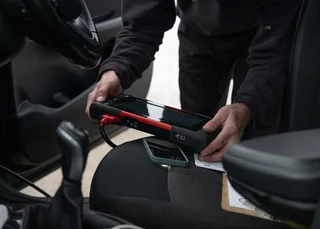
Motor vehicle periodic inspection intervals
Periodic inspection gives a motorist a structured way to confirm that key vehicle systems remain in safe, roadworthy condition. For drivers researching motor vehicles periodic inspection, the central question is not only when testing occurs but what an inspector actually evaluates. Rules differ by state, and a test certificate often documents only the items checked on a specific date. Vehicle identification, safety inspection items, and an emissions test can each follow separate schedules. Understanding those inspection criteria helps an owner prepare for an initial visit, a retest, or an upcoming renewal without guessing.
Essential answer
Motor vehicle periodic inspection intervals are not set by one national schedule. Instead, each US state decides whether to require routine testing, how often testing occurs, and which systems are covered. A state may require an annual or biennial safety inspection, while another may exempt private passenger cars. Commercial vehicles often follow a different cadence because their operating hours, load cycles, and brake wear patterns introduce risk factors that differ from typical passenger-car use.
The inspection itself generally supports two goals: confirming that a vehicle can be operated with reasonable safety and, in some areas, measuring tailpipe output through an emissions test. The inspection criteria are tied to the vehicle identification on file, so the recorded make, model, year, and powertrain determine applicable equipment checks. If a monitored system does not pass, the owner may need repairs and a retest, and the resulting test certificate documents that the vehicle met the applicable standard at that time.