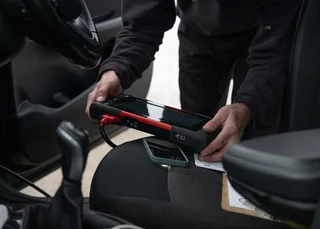
Periodic inspection CMV
A periodic inspection for a commercial motor vehicle, or CMV, evaluates roadworthiness at set intervals rather than reacting to a breakdown. The process helps identify worn steering, brake, lighting, tire, and emissions defects before they cause a roadside enforcement action or crash. Understanding what this inspection involves, why vehicle identification matters, and how a test certificate or retest works gives owners and drivers a clearer picture of the compliance obligation. The exact criteria and intervals depend on jurisdiction and vehicle class, so the inspection should be treated as a structured condition check, not a single federal formula.
Essential answer
The essential answer is that a periodic inspection CMV is a scheduled condition check required for many commercial vehicles operating in the United States. Its purpose is to confirm that a truck, bus, or combination unit meets basic safety inspection and emissions test expectations before it returns to service. The inspection typically covers braking performance, steering linkage, suspension mounting, tires and wheels, lamps and reflectors, coupling devices, and exhaust condition. Because enforcement programs vary by state and by operating authority, the exact inspection criteria and recordkeeping rules can change depending on where and how the vehicle is operated.
After a vehicle passes, the operator usually receives a test certificate, sticker, or inspection report that must remain available during enforcement stops or audits. The documentation should connect the result to the correct vehicle identification information so that the record cannot be mistaken for another unit in a fleet. If the inspector finds a disqualifying problem, the owner corrects the defect and requests a retest rather than simply discarding the inspection request. In that way, the periodic inspection works as a repeatable maintenance gate that links an observed condition to a pass, fail, or repair-and-return outcome.