When Dash Cam Evidence Can Be Used Against You
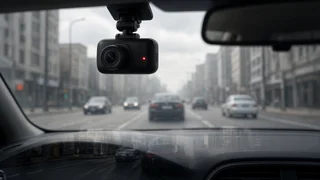
A dash cam is usually bought as a witness that takes your side. But a camera records what happened, not what you hoped happened. If the footage shows you speeding, looking at your phone, rolling through a stop or admitting fault, it can be used against you just as easily as it can clear you. This guide explains how dash cam self-incrimination works in the US, who can get your recordings and what a sensible owner should do after an incident. It is general information, not legal advice; rules vary by state and by situation.
The Short Answer
Yes, your own dash cam footage can be used against you. In most situations it is treated as ordinary evidence that already exists, not as testimony you are being forced to give. That means police, prosecutors, insurers and the other side in a lawsuit may be able to obtain it through lawful channels, and destroying it once an incident has occurred can create bigger problems than the footage itself. The main qualification is that you generally have more control over voluntary sharing than over a lawful demand such as a warrant or subpoena.
Why the Right Against Self-Incrimination Rarely Covers Dash Cam Footage
The Fifth Amendment protects people from being compelled to testify against themselves. Courts have generally interpreted that protection as applying to compelled communications, such as being forced to answer questions, rather than to records a person created voluntarily before any investigation began. A dash cam recording falls into that second category: you chose to install the camera and it recorded on its own.
There are narrow legal arguments about whether the act of handing over material can itself be testimonial in some circumstances, and the Fourth Amendment still limits how police may search or seize your property. Those questions depend heavily on the facts and the jurisdiction. For practical purposes, owners should assume that a recording which exists may eventually be seen by someone other than themselves.
Common Ways Footage Ends Up Hurting the Owner
Speed: many cameras overlay GPS-derived speed on the video, which can contradict a driver's account. Distraction: interior-facing or dual-channel cameras can show phone use, eating or looking away from the road. Traffic control: footage may show a late yellow, a rolling stop or an unsignaled lane change before the collision. Following distance: forward video can make it clear you were too close to the vehicle ahead. Audio: cabin microphones can capture admissions such as "I didn't see them" or arguments that suggest impairment or anger. Earlier clips: footage from minutes before the crash may reveal a pattern of aggressive driving even if the crash moment itself looks neutral. Timestamp errors: an incorrect clock or date can undermine your credibility or confuse the incident time.
Who Can Obtain Your Recording and How
Party | Typical route | Your position; Police | Asking for consent, or obtaining a warrant or court order; some situations involve claimed urgency | You can usually decline a voluntary request and ask whether they have a warrant, but do not physically resist or interfere; Prosecutors | Subpoena or warrant as part of a criminal case | Lawful demands generally must be followed; an attorney can advise on scope and objections; Your insurer | Policy cooperation clauses that require you to assist with claims | Refusing may affect coverage under some policies; check your policy wording; The other driver's insurer | Request, or discovery if a lawsuit is filed | You are not obligated to volunteer footage before litigation, but it can be compelled later; Opposing party in a lawsuit | Civil discovery requests and subpoenas | Relevant footage generally must be preserved and produced if requested
Why Deleting Footage Is the Wrong Move
It can be tempting to wipe a card after a crash that looks bad for you. Once you know an incident has happened and a claim, report or lawsuit is reasonably likely, deleting or overwriting relevant footage can be treated as destruction of evidence. In civil cases this is often called spoliation, and courts can respond with penalties such as instructing a jury to assume the missing footage was unfavorable to you. In criminal matters, many states have evidence tampering laws that may apply. The consequences of destroying footage can easily outweigh whatever the footage would have shown.
Loop recording adds a practical risk. Most dash cams overwrite the oldest files automatically, so an unprotected clip can disappear on its own. Locking or copying the relevant file promptly protects you from an accusation that you let it vanish, and it preserves footage that may well help you.
What to Do With Footage After an Incident
Protect the original recording: lock the clip on the camera or copy the full, unedited file to a separate device, and keep the memory card if possible. Do not edit, trim or add commentary to the version you preserve; edited copies invite questions about authenticity. Note the incident time, location and any discrepancy between the camera clock and real time. Record vehicle identification details visible in the footage, such as plate numbers, make, model and color. Write down witness details, including names and contact information, while they are fresh. Keep the report reference number from any police report and your insurance claim number together with the files. Follow a sensible record retention plan: hold the footage until the claim and any legal matter are fully resolved. Before sharing footage with anyone other than your own insurer or attorney, consider getting legal advice, especially if injuries or criminal charges are possible.
Voluntary Sharing Versus Lawful Demands
The biggest choice an owner usually controls is whether to hand footage over voluntarily at the scene or shortly afterward. Showing a clip to an officer or the other driver can feel natural, especially if you believe it clears you, but you may be interpreting it differently from how others will. Declining a voluntary request is generally not an admission of guilt. A warrant, subpoena or court order is different: those carry legal force, and ignoring them can lead to serious consequences. If you are unsure which situation you are in, ask, stay calm and speak to a lawyer.
Audio Recording Adds Another Layer
Cabin audio is often where self-incriminating material comes from, because people speak freely in their own cars. It also raises a separate legal issue: US states differ on whether recording a conversation requires the consent of one party or of everyone involved. If you regularly carry passengers, including rideshare customers, check your state's rules and consider disabling audio or posting notice. Turning off audio limits what can be used against you, though it also removes audio that might have supported your account.
Settings Worth Checking Before Anything Happens
Set the correct date, time and time zone, and confirm it adjusts for daylight saving time if your model supports that. Decide whether you want the speed overlay displayed on the video; the underlying GPS data may still be recorded even if hidden, depending on the camera. Decide whether cabin audio should be on or off by default. Confirm the impact sensor locks clips automatically and that the memory card has enough capacity. Replace aging memory cards; failed cards can make it appear footage was withheld.
Is a Dash Cam Still Worth Having?
For most careful drivers, yes. The same objectivity that makes a dash cam risky for someone who was at fault makes it valuable for someone who was not, particularly in disputed-liability crashes, staged collisions and hit-and-runs. The realistic way to think about it is that the camera rewards safe driving and exposes careless driving. If you are uncomfortable with the idea of your own footage being used against you, the more reliable fix is adjusting driving habits and audio settings, not planning to delete files after the fact.