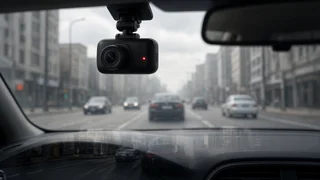
Using Dash Cam Footage as Evidence in Court
The Short Answer: Courts Approve Evidence, Not Devices
No US court certifies or approves particular dash cam models. A product marketed as "court approved" is using a sales phrase, not describing an official status. Courts decide whether a specific recording can be admitted in a specific case. That decision depends on the rules of evidence, how the footage was captured and handled, and the laws of the state where the case is heard. A basic camera's footage can be admitted, and an expensive camera's footage can be excluded or given little weight.
This article is a general overview, not legal advice. Evidence rules and recording laws vary between federal and state courts and from state to state. If your footage may matter in a claim or lawsuit, a local attorney can tell you how it is likely to be treated.
What Makes Dash Cam Footage Usable as Evidence
US courts generally apply a few principles to video evidence. The Federal Rules of Evidence set these out for federal courts, and most states have similar rules.
Relevance: the footage must help show something that matters to the case, such as who had the right of way, a vehicle's position, or road conditions. Authentication: someone, usually the person who recorded it, must be able to testify that the video is what it claims to be and fairly and accurately shows the events. Original or reliable copy: courts generally want the original recording or an accurate duplicate. Questions about edits or gaps can weaken it or keep it out. Chain of custody: being able to explain who had the file and how it was stored helps answer claims of tampering. Audio issues: recorded speech may raise hearsay questions or state recording-consent problems, which a court may handle separately from the video.
Meeting these standards gets footage admitted. It does not decide the outcome. The judge or jury still decides how much weight to give it, and the other side can challenge its clarity, completeness, or what it actually shows.
Camera Features That Support Credibility
Some features make footage easier to authenticate and harder to dispute. This is an editorial judgment based on the principles above. It does not come from product testing, and no specific models or specifications are evaluated here.
Accurate date and time stamps, set correctly and checked after clock changes or battery loss. GPS data that logs location and speed. Remember that speed data can count against you as well as for you. Resolution and low-light performance good enough to read plates and see traffic signals and road markings. Event or impact detection that locks a clip so loop recording does not overwrite it. Rear or interior cameras for collisions that come from behind or the side. Reliable storage, such as a memory card rated for continuous recording, so files are not corrupted.
Preserving Footage After a Collision
Stop the camera from overwriting the clip. Use the lock or save function, or remove the memory card once it is safe to do so. Make copies without editing, trimming, filtering, or compressing them. Keep the original file and memory card unchanged. Write down when you saved the footage, who has had access to it, and where copies are stored. Do not delete or alter footage, even parts that seem unhelpful. Destroying evidence that may be relevant to a dispute can bring legal penalties. Tell your insurer and, if you have one, your attorney that footage exists. Ask how they want to receive it before sharing it elsewhere. Avoid posting the video publicly. It can complicate a claim and may be used to question your statements.
Caveats That Can Change the Picture
Footage can work against you. If it shows speeding, distraction, or a rolling stop, the other side may be able to get it during the legal process (called discovery) and use it, even though you recorded it.
Audio raises separate legal questions. Some states require every party to consent before a conversation is recorded, while others require only one party. If you record passengers or conversations outside the vehicle, check your state's rules. Some drivers turn off audio to avoid the issue.
Where you mount the camera also matters. Many states limit objects on the windshield that block the driver's view. Following these rules avoids a separate violation and questions about how the camera was set up.
Gaps in This Guide
No confirmed evidence was available about specific dash cam models, prices, specifications, test results, or court rulings, so this guide does not recommend products or describe particular cases. Recording-consent and windshield rules differ by state, and this guide does not list them. Before relying on footage in a claim, check your state's current law or ask a local attorney.