What to Keep in a Car for Unexpected Passengers
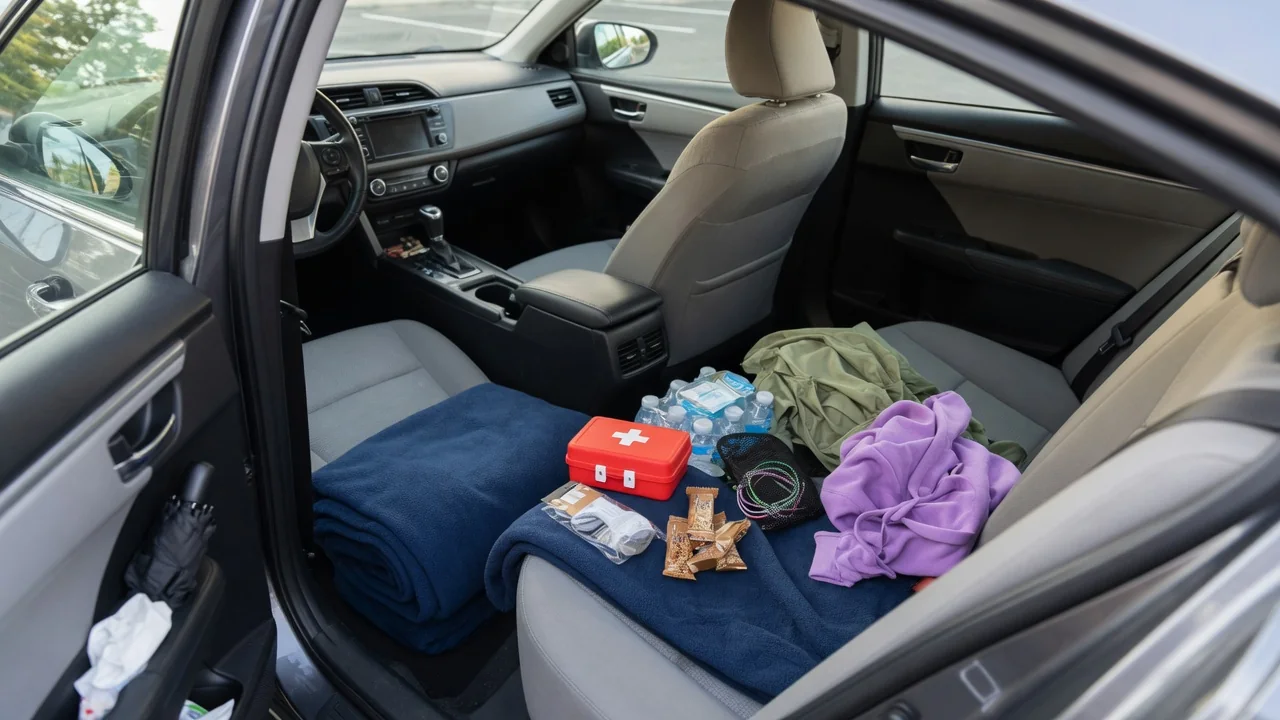
Knowing what to keep in a car for unexpected passengers comes down to two things: space that can be freed quickly and a cabin clean enough to offer without apology. A coworker needing a lift, a neighbor's child after practice, or relatives arriving early all test how ready the seats, floor, and cargo area really are. A few habits and supplies make the difference.
Clear seating
The most useful thing to keep ready is an empty seat. Rear benches tend to collect gym bags, jackets, parcels, and reusable grocery bags, and each item has to go somewhere before a person can sit down. Keeping the second row free by default, with loose items moved to the trunk or cargo area, means a passenger can open the door and settle in immediately. It also keeps seat belt buckles visible rather than buried under clutter or wedged into the gap between cushions.
Seating layouts differ, so the check differs too. Sedans typically have a fixed rear bench, while many crossovers and minivans use folding or sliding rows, and a third row left flat for cargo takes time to raise. Head restraints removed for hauling should be refitted, and a center belt that stows in the roof or seatback on some vehicles should be easy to reach. Footwells matter as well, because an umbrella or bottle rolling under the front seats takes legroom and can travel toward the pedals.
Basic supplies
A small set of cleaning supplies covers most situations. A microfiber cloth and a pack of interior-safe wipes handle dust on door pulls, sticky cup holders, and crumbs on seat cushions in the minute before someone climbs in. Tissues, hand sanitizer, and a few small trash bags let passengers deal with their own wrappers and minor spills. A lint roller earns its space in vehicles that carry pets, since hair on cloth upholstery transfers readily to dark clothing.
Comfort and protection items come next. A folded towel or washable seat cover shields upholstery from wet coats and muddy sports gear, and it matters most on cloth, which absorbs spills that leather or vinyl would let you wipe away. A compact umbrella, sealed bottled water, and a spare charging cable round out the kit. Charging ports vary widely, from a single 12-volt socket in older cars to USB outlets in both rows, so match the cable to the vehicle. Leave out pressurized cans and anything that melts in a hot cabin.
Storage
Supplies only help if they do not become clutter themselves. The glovebox, center console, door pockets, and seatback pockets suit small items such as wipes, tissues, and cables, while a collapsible trunk organizer or lidded bin holds bulkier things like towels and an umbrella and stops them from sliding around. Grouping by purpose works well: one pouch for cleaning, one for comfort. That way a single grab retrieves everything needed, and everything returns to the same place afterward.
Body style changes what safe storage looks like. In hatchbacks, wagons, and SUVs the cargo area is open to the cabin, so heavy loose objects can move forward in a hard stop; tie-down hooks, cargo nets, or underfloor compartments, where fitted, keep them contained. A sedan's enclosed trunk isolates cargo more fully, and some pickups offer bins beneath the rear seat. Avoid burying the spare tire or tool kit, and avoid packing items under front seats, where seat tracks, wiring, or air ducts are often located.
Everyday Use and Observations
Watching how the car is actually used reveals where readiness slips. Over a typical week, the front passenger seat may become a desk and the floor behind the driver a resting place for bottles and receipts. A quick reset during each fuel stop or charging session, emptying trash and returning strays to the trunk, keeps the cabin presentable. Odors are easiest to notice after the car has sat closed. Removing the source, such as food wrappers or damp gym gear, works better than masking it with a strong air freshener.
Small details shape a passenger's first impression. Rubber all-weather mats can be shaken out in seconds, while carpet mats hold moisture, and persistent window fogging can hint at dampness inside. A front seat slid fully back erases rear legroom, so returning it to a middle position helps. If a rear door will not open from inside, the child safety lock may be engaged; its location varies, and the owner's manual shows where to find it. Rear windows, vents, and seat adjusters deserve an occasional check too.
Limits and Next Steps
No amount of preparation changes the hard limits. The number of seat belts sets the number of passengers, and the load capacity shown on the vehicle's tire and loading placard covers people and cargo combined, so a full cabin plus a heavy trunk can approach it sooner than expected. Children need restraints appropriate to their size and to local law. A spare booster helps only if it suits the child and the seating position, and anchor locations differ between vehicles, so the owner's manual is the reference.
A practical next step is to sit in each rear seat, fasten every belt, and look at the cabin from a passenger's viewpoint. Stains, loose items, and awkward buckles become obvious from that position. From there, assemble a modest kit, give each item a fixed home, and restock after anything gets used. Seasons shift the contents, with an ice scraper and blanket in winter or a sunshade in summer. Keeping the kit small matters, because the point is open, clean space rather than more things to carry.