How to Keep a Car Ready for Unexpected Errands
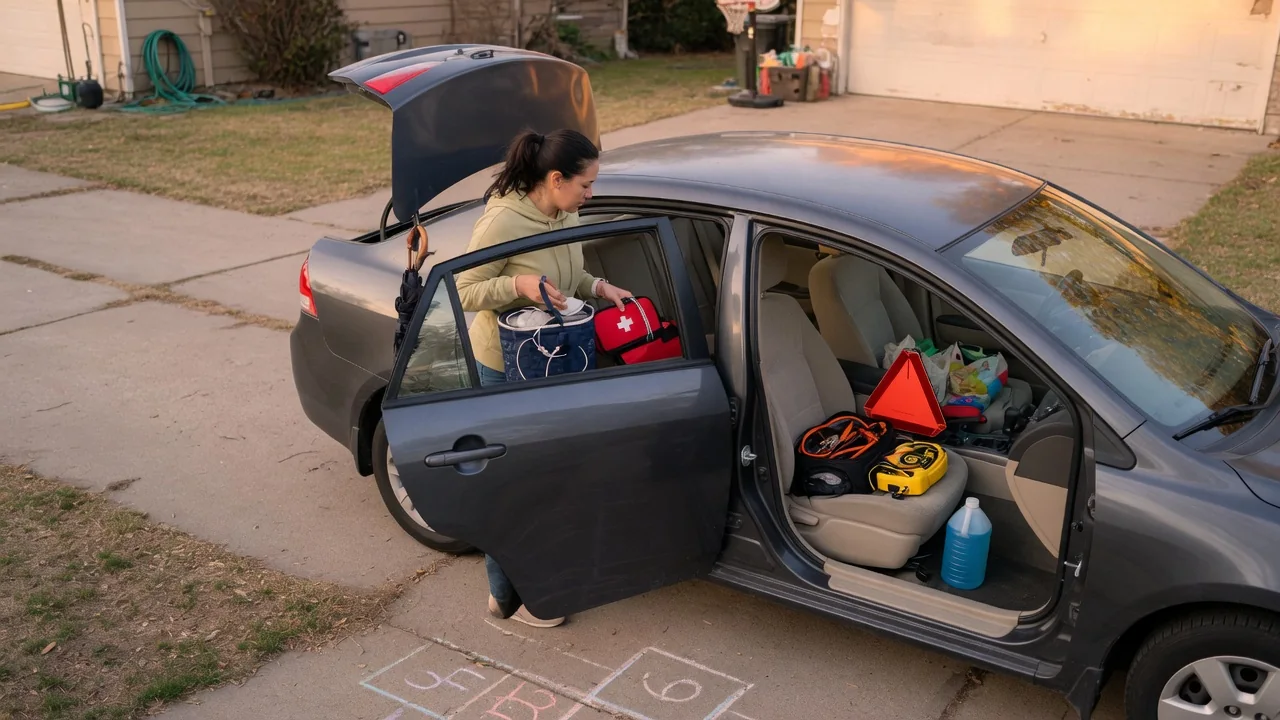
A last-minute pharmacy run, a flat-pack bookcase spotted on sale, a friend who needs a ride from the airport: none of these wait for a tidy trunk. Learning how to keep a car ready for unexpected errands comes down to three habits, which are leaving cargo space open, carrying a small set of essentials, and knowing the vehicle is fit to leave at short notice.
Clear clutter
Cargo space is only useful if it is empty when the need arises. Sports gear left over from last season, bags of donations that never reached the drop-off, and half-used bottles of washer fluid gradually claim the trunk floor until a week's groceries have to ride on the back seat. Emptying the load area down to items with a clear purpose restores the full floor, and it also removes loose objects that can slide into the cabin or shift during hard braking.
How much room comes back depends on the vehicle. A sedan has a fixed trunk opening, so tall boxes may only fit through folded rear seatbacks, while a hatchback or SUV gains a long flat floor once the seats drop. Check that nothing blocks the seat release levers, the folding path, or the underfloor compartment where a spare tire or inflator kit may be stored. In pickups, a bed kept free of debris still needs tie-down points that are reachable.
Maintain supplies
Essentials should earn their space by solving common errand problems. A few folding reusable bags or a collapsible crate keep groceries from rolling, a pair of ratchet straps or bungee cords secures an awkward load, and an old blanket protects upholstery from a muddy plant pot or a sharp-edged box. Stored together in one soft bin against the seatback or in a side pocket, these items stay out of the way and leave the main floor open.
Supplies degrade quietly, so a kit packed once is not ready forever. Heat inside a parked car shortens the life of flashlight batteries, bottled water, and adhesive bandages, and a phone charging cable that fit the last phone may not fit the current one. Look over the kit whenever the seasons change, swapping an ice scraper and gloves for a sunshade and extra water as conditions demand. The owner's manual shows where the factory jack, tow hook, and tools are located, since storage spots differ widely.
Check vehicle condition
An organized cabin does little good if the car itself is not ready to leave. Fuel level or battery charge is the simplest readiness measure; a tank habitually run near empty or an electric vehicle left at a low state of charge turns a quick trip into a detour. Tires deserve the same attention, because pressure drops gradually and with falling temperatures. The recommended pressures are printed on a placard, usually on the driver's door jamb, and they vary by vehicle and sometimes by load.
A short walk around the car reveals most of the rest. Look for a tire that sits lower than the others, fresh fluid spots on the ground beneath the engine bay, cracked wiper blades, and exterior lights that fail to illuminate. On startup, the instrument cluster should light its warning lamps briefly and then clear them. A lamp that stays on is a prompt to investigate rather than a diagnosis, and its meaning should be confirmed in the manual for that particular model.
Everyday Use and Observations
Readiness is maintained in small moments rather than big cleanouts. Carrying out whatever came in on each trip, such as coffee cups, mail, and shopping bags, takes seconds at the door and prevents the slow buildup that eventually fills the footwells. Refueling or plugging in before the gauge gets low, instead of when it becomes urgent, means the next unplanned drive starts with range to spare. Returning straps and bags to their bin after use keeps the kit complete.
Daily driving also provides a steady stream of information. A steering wheel that pulls to one side, a new vibration at highway speed, brakes that squeal or feel softer than usual, and a slower engine crank on cold mornings are all changes worth noting while they are still minor. Many vehicles display tire pressure, remaining range, and maintenance reminders in the driver information screen, though the menus and the level of detail vary by make, model year, and trim.
Limits and Next Steps
Even a well-prepared car has boundaries. Every vehicle has a payload rating that covers passengers and cargo together, typically listed on the same door jamb placard as the tire pressures, and bags of mulch, pavers, or bottled water add up faster than their size suggests. Long items hanging out of an open trunk or hatch can let exhaust fumes into the cabin and may require flagging under local rules. Roof loads have their own limits, set by the vehicle and the rack.
Some errands are better handled another way. When an item will not fit safely with the hatch closed and the driver's view clear, store delivery or a rented truck or trailer is the sounder choice. Likewise, a persistent warning lamp, a tire that keeps losing air, or a battery that struggles repeatedly calls for inspection by a qualified technician rather than another week of topping up. From there, a recurring monthly reminder to review space, supplies, and condition keeps the routine going.