What Makes a City Car Easy to Live With? Footprint, Visibility and Cargo
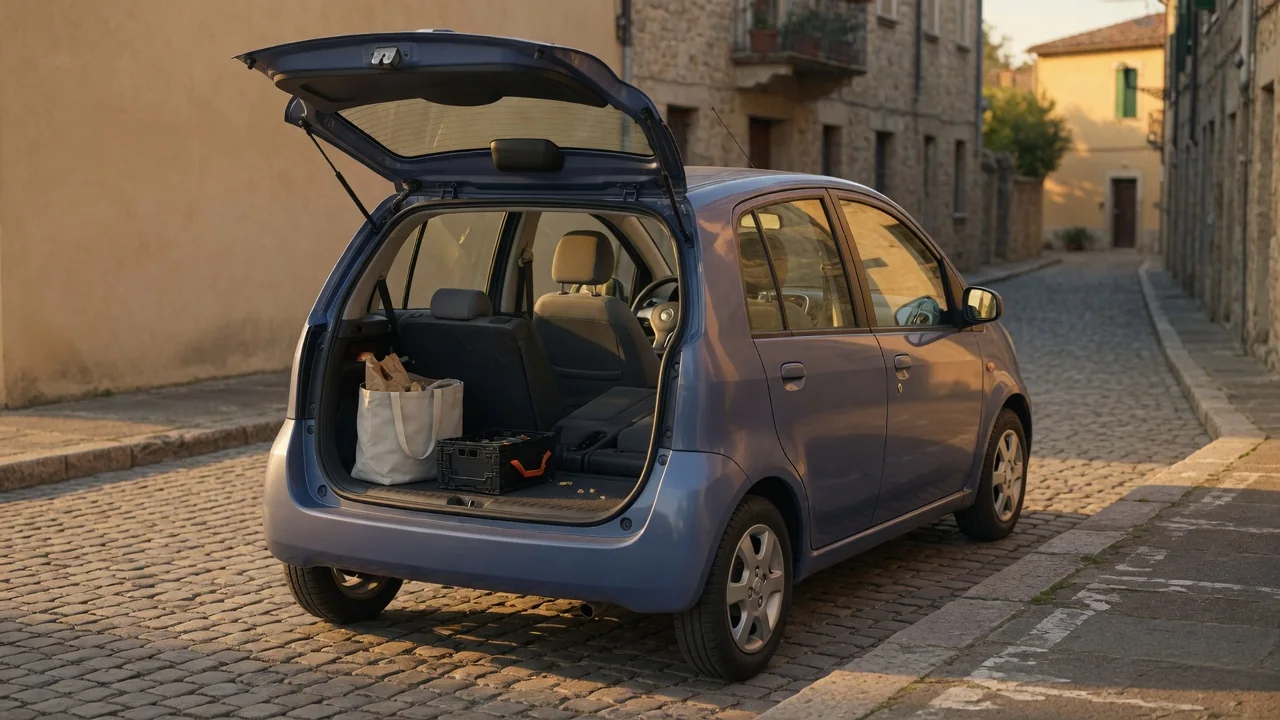
A city car earns its keep in narrow streets, crowded parking lots, and short trips with frequent stops. Whether one is easy to live with depends less on headline figures than on a few practical traits: how much space the car occupies and how tightly it maneuvers, how clearly the driver can see around it, and how well its cargo area handles everyday loads. This guide explains each of those traits, the general engineering behind them, and the limits worth understanding before you rely on one.
Footprint
Footprint is the patch of road or parking space a car occupies, and in the city it matters in more ways than overall length. Length decides whether a car fits a short curbside gap, but width often matters more in garages, older parking structures, and lanes lined with parked vehicles. When comparing any city car, look at width with the mirrors unfolded, because mirrors are what actually brush pillars and gateposts. Overhangs, the body sections extending past the front and rear wheels, also shape daily use. Short overhangs keep the bumpers closer to the wheels, which makes it easier to judge the car's ends and reduces the chance of scraping a curb or a steep driveway transition.
Maneuverability depends heavily on the turning circle, which is the diameter of the smallest U-turn a car can make. In general, a shorter wheelbase and a generous front-wheel steering angle produce a tighter circle, although packaging choices such as wide tires or a bulky front engine bay can limit how far the wheels turn. A tight turning circle means fewer multi-point turns in parking garages and less shuffling when backing out of a crowded spot. Because this figure varies between designs, it is worth checking the specification listed for the particular vehicle rather than assuming every small car turns tightly.
Door design is an overlooked part of footprint. A car may slip into a narrow space and still be awkward if its doors need a wide arc to open. Two-door body styles typically use longer doors to provide rear-seat access, so they can be harder to get in and out of beside a wall or another car. Four-door layouts spread the opening across shorter doors, which often helps in tight garages and dense parking lots.
Visibility
Good outward visibility lowers stress in traffic full of pedestrians, cyclists, and sudden lane changes. The biggest factors are pillar thickness, the height of the beltline, which is the lower edge of the side windows, and the size and shape of the glass. Modern roof pillars have grown thicker partly because they contribute to crash and rollover protection, so even a compact car can have front pillars that hide a pedestrian at an intersection. A lower beltline and larger side windows generally make it easier to see curbs, small children, and bollards near the car.
Rear visibility depends on the rear window, the rear pillars, and the headrests. Steeply sloped rear glass and wide rear pillars can create blind areas that make reversing and merging harder. Many vehicles now supplement direct vision with a rearview camera, parking sensors, or blind-spot monitoring. These aids are useful, but they work within limits: lenses can be obscured by dirt, rain, or snow, sensors have fixed detection zones, and camera images can distort distance. They complement good sightlines rather than replace them.
Seating position also shapes what the driver sees. A slightly higher seat gives a better view over the hood and nearby traffic, while a seat set too low can make the front edge of the car hard to judge. Adjustable seat height, a tilting and telescoping steering wheel, and well-placed mirrors let drivers of different sizes find a position with clear sightlines. Properly adjusted side mirrors, angled to reduce overlap with the inside mirror, can also shrink the blind spots beside the car.
Cargo limits
A city car's cargo area rarely competes on raw volume, so the usefulness of the space matters more than its size. A hatchback opening that is wide and tall makes it easier to load bulky items such as a stroller or a folded shopping cart. The height of the load floor and the lip at the opening affect how much lifting is required. A boxy shape with few intrusions from wheel wells or suspension components holds more usable cargo than an irregular space with the same nominal capacity.
Rear-seat flexibility often decides whether a small car can handle occasional larger loads. Split-folding rear seatbacks let the driver carry a long item while keeping a seat available for a passenger. How flat the floor becomes when the seats fold, and whether a step remains between the trunk floor and the folded seatbacks, influences how easily boxes slide forward. Some designs include adjustable floor panels or underfloor storage, while others offer a simpler fixed layout; the details vary by vehicle.
Volume is only one limit; weight is another. Every car has a maximum load it is designed to carry, covering passengers and cargo together. In the United States this information typically appears on the tire and loading information placard on the driver's door jamb, and the owner's manual explains how to apply it. Roof racks and roof boxes carry their own weight ratings, and exceeding any of these limits can affect braking, handling, and tire wear. Small cars can reach these limits sooner than many owners expect, especially with several adults aboard.
Practical Implications and Limits
These traits interact, and improving one can cost something in another. A shorter, narrower body is easier to park but leaves less room for crash structures, cargo, and passenger space. Large windows help visibility but may compete with structural requirements and cabin insulation. A lower roof can improve efficiency while making it harder to load tall items or see over traffic. No single design maximizes everything, so the right balance depends on how the car will actually be used: daily solo commuting, school runs, weekly grocery trips, or occasional highway travel.
The most reliable way to judge a city car's practical traits is to match them against your own conditions. Measure your garage or regular parking spot, including the space needed to open doors fully. During a test drive, practice parking and turning in tight areas you know, check sightlines at intersections from your normal seating position, and load items you regularly carry. Specifications describe general capability, but your environment determines whether a car feels easy to live with.
It also helps to remember what a city-focused design does not promise. A compact car is not automatically cheaper to maintain or more efficient in every situation, and driver aids do not remove the need for careful observation. Load ratings, tire pressures, and equipment details apply to each specific vehicle, so the owner's manual and door-jamb placard remain the authoritative references for safe everyday use.