What Is Synthetic Leather in a Car?
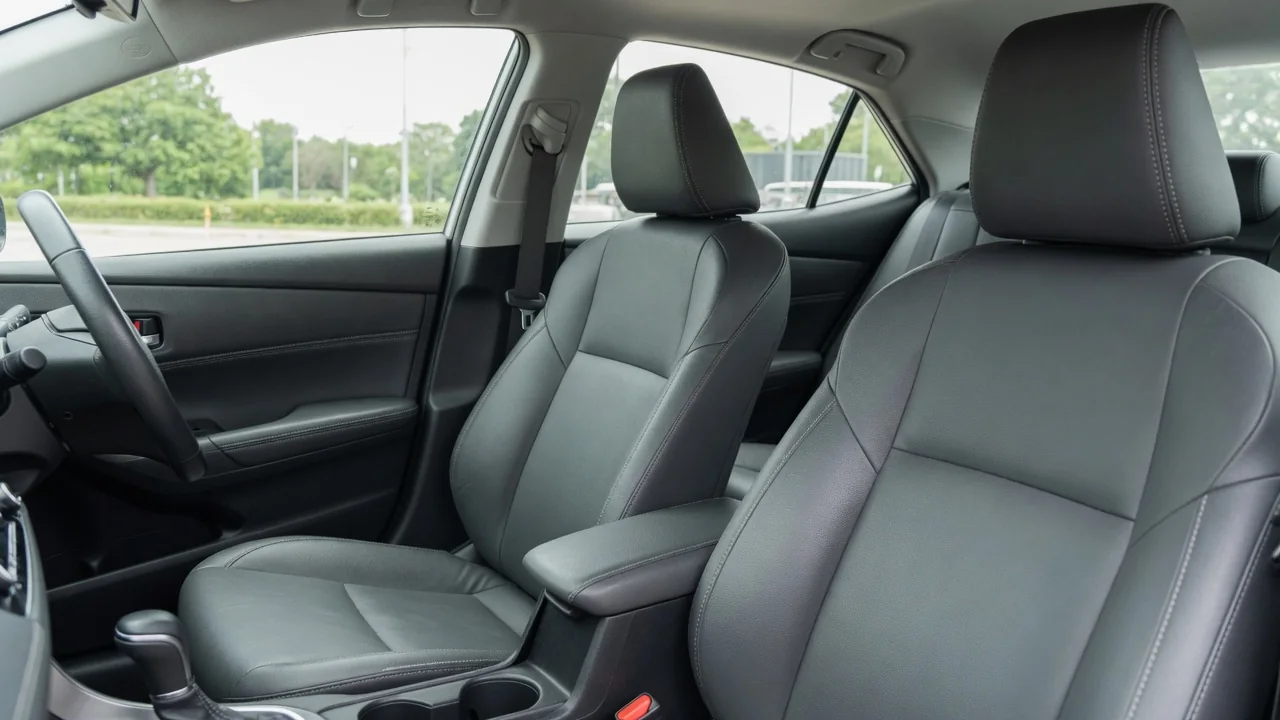
Anyone asking what is synthetic leather in a car is really asking about a layered, man-made upholstery material designed to look and feel like animal hide. It covers seats, door panels, armrests, and steering wheels in many vehicles. Understanding how it is built explains how it behaves, how it ages, and how to look after it.
Surface layers
Synthetic leather is built in layers rather than cut from a hide. The foundation is usually a woven or knitted fabric backing, often polyester, which gives the material its strength and stretch. Over that sits a plastic coating, most commonly polyurethane or polyvinyl chloride, sometimes with a thin foam layer in between for softness. The top surface is embossed with a grain pattern that imitates natural hide, then sealed with a clear protective finish that resists abrasion, stains, and sunlight.
You can often see evidence of this construction in your own cabin. The grain on a synthetic seat tends to repeat in a uniform pattern, whereas natural hide shows irregular pores and creases. Seat centers may be perforated with small, evenly spaced holes for ventilation, and the underside of a loose flap or seam can reveal the fabric backing. Many vehicles mix materials, using one covering on seating surfaces and another on bolsters or seatbacks, so the window sticker or owner's manual is the reliable guide.
Feel and wear
To the touch, synthetic upholstery is generally smoother and more consistent than real hide. Polyurethane-based versions tend to feel softer and more pliable, while vinyl-based versions usually feel firmer and slightly slicker. Because the coating is essentially a plastic film, it breathes less than natural leather or cloth, so it can feel hot after sitting in summer sun and cool on a winter morning. Perforations, ventilated seats, and lighter colors can moderate that sensation, though the difference depends on how a given interior is trimmed.
Wear shows up in predictable places. The driver's outer seat bolster takes friction every time someone slides in and out, so creasing, shine, or thinning of the top finish usually appears there first. Steering wheel rims and armrests can turn glossy from skin oils. Over years, heat and ultraviolet exposure can dry the coating, leading to fine cracks or, in some materials, peeling where the surface layer separates from the backing. How quickly any of this happens varies with material quality, climate, and how the vehicle is used.
Care routine
Caring for synthetic leather is simpler than caring for natural hide because the sealed surface does not absorb much. Regular vacuuming removes grit that would otherwise act like sandpaper in the seams and perforations. Wiping with a soft microfiber cloth dampened with water, or with a mild interior cleaner suited to coated upholstery, lifts body oils and everyday grime. Spills are best blotted promptly, since liquid that sits can work into stitching or through perforations into the foam beneath.
Some products intended for natural hide are unnecessary here. Traditional conditioners are designed to soak into porous leather, and on a plastic coating they mostly sit on top, leaving a greasy film that attracts dust. Harsh solvents, bleach, and abrasive pads can strip the protective finish or dull the grain. Testing any cleaner on a hidden area first is a sensible habit, and the owner's manual often lists what the manufacturer recommends or warns against for that particular interior, including care around heated or ventilated seat surfaces.
Everyday Use and Observations
In daily driving, the practical strengths of synthetic upholstery become clear. Coffee, rain-soaked jackets, and muddy paw prints usually wipe away without leaving a mark, which makes the material popular with families and pet owners. It does not hold odors the way cloth can, and its color is typically consistent across the cabin. Dark dyes from new denim can transfer onto lighter seats, however, appearing as a bluish haze on the cushion and bolster that is easier to remove when caught early.
A few habits help you keep track of condition. Look at the seams and the edges of perforations, where the coating is most likely to lift. Notice whether the surface has become shiny, which usually signals built-up oils rather than damage. Child seats, tools in back pockets, and sharp cargo can leave dents or punctures, since the coating will not heal once cut. Parking in shade or using a windshield sunshade reduces heat and ultraviolet exposure, which are the main long-term stresses on the surface.
Limits and Next Steps
Synthetic leather has real limits. Once the surface coating cracks or peels, cleaning will not restore it, and home repair kits can only disguise small blemishes with varying success. Matching color, grain, and sheen on a visible panel is difficult. Material names in sales brochures also vary widely, and a trim described as leather may combine genuine hide on contact surfaces with synthetic material elsewhere. Quality differs between vehicles and even between trim levels, so one experience does not predict another.
If you want to know exactly what covers your seats, start with the owner's manual, the original window sticker, or the dealer's build information for your vehicle. For damage beyond light scuffs, an automotive upholstery shop can assess whether a panel can be repaired or should be replaced. Take extra care with seats that contain side airbags, heating elements, or occupancy sensors, because covers and repairs in those areas need to be compatible with the seat's design. Aftermarket seat covers deserve the same check before fitting.