What Is an Electronic Gear Selector?
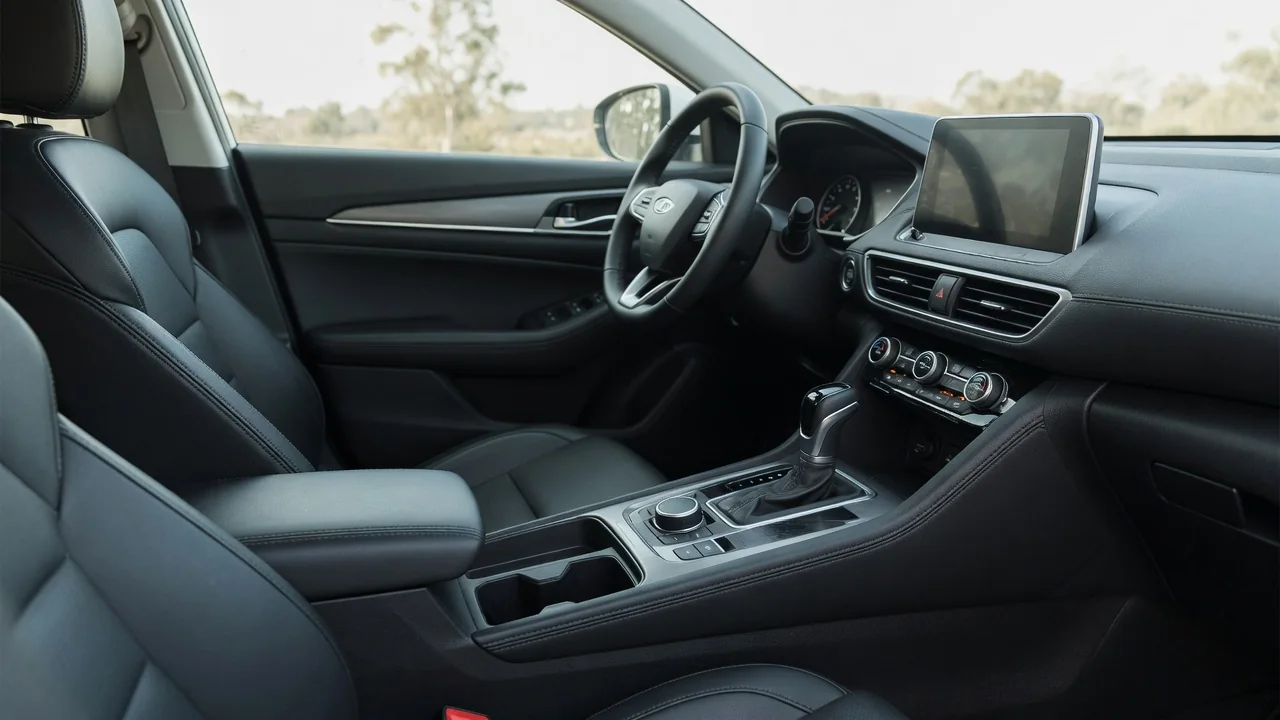
What is an electronic gear selector? It is a shift control that sends an electrical request to the transmission instead of moving a cable or rod. Often called shift-by-wire, the design replaces the traditional mechanical lever with switches, sensors, and a control module that decides whether to engage Park, Reverse, Neutral, or Drive. Understanding how it communicates helps drivers use it with confidence.
Control styles
Because no mechanical linkage has to reach the transmission, designers can shape the control almost any way they like. Common layouts include a rotary dial on the center console, a row of push buttons, a small stalk on the steering column, and a short joystick-style lever that returns to a center position after each nudge. Some vehicles place Park on a separate button, while others engage it automatically when the driver shuts the vehicle off or opens the door at a standstill.
What these styles share is that the driver's hand operates switches or position sensors rather than moving parts inside the gearbox. A module reads the input, checks conditions such as brake pedal application and road speed, then commands an actuator or the transmission's own hydraulic controls. The feel differs noticeably: a monostable lever springs back, a dial clicks through detents, and buttons simply press. Layout, labeling, and automatic Park behavior vary by manufacturer, so the owner's manual is the reliable reference for any particular vehicle.
Confirming gear
With a conventional lever, its physical position tells the driver which range is selected. Many electronic controls return to the same resting point, so position alone says nothing. Confirmation comes from displays instead: a highlighted letter in the instrument cluster, an illuminated indicator beside the dial or on the button itself, and sometimes a head-up readout. The cluster indicator generally reflects what the transmission has actually accepted, which makes it the best place to look after every selection.
A request can be declined. If the brake pedal is not pressed, or the vehicle is moving too fast for a change into Reverse or Park, the system may ignore the input and show a message or sound a chime. For that reason, a quick glance before releasing the brake is a worthwhile habit, especially when parking on a slope or leaving the vehicle. Some models add a tone or haptic pulse as feedback, while others rely on lights alone, so the cues differ between makes.
Fault awareness
Since the selector depends on switches, wiring, modules, and network communication, faults tend to show up as warnings rather than a stiff or sloppy lever. Drivers may see a transmission or shift system message, a flashing gear indicator, a control that does not respond, or a vehicle that stays in one range. Low battery voltage is worth keeping in mind, because electronic systems can behave unpredictably when supply voltage drops, and a weak battery may produce symptoms that look like a selector problem.
A stored diagnostic trouble code helps narrow the search, but it describes a condition the module detected, not a confirmed failed component. A code pointing toward the selector circuit could stem from the switch assembly, a connector, damaged wiring, a software issue, or the receiving module. Many shift-related codes are manufacturer-specific, so their meaning has to be confirmed against information for the exact vehicle. Testing guided by that information is what separates a genuine part failure from a signal or power supply problem.
Everyday Use and Observations
Daily driving with a switch-based selector quickly becomes routine, though the first days in an unfamiliar vehicle deserve some attention. Muscle memory built on a traditional lever can lead a driver to reach for the wrong spot or assume Park is engaged when it is not. Parking maneuvers that alternate between Drive and Reverse highlight the difference, since each change is a light tap or twist with little resistance. Pausing fully and checking the display between changes keeps those movements deliberate.
Several behaviors are easy to observe. Many vehicles shift into Park automatically under certain conditions, and the electric parking brake may apply at the same time. Car washes and towing situations often require a specific method for holding Neutral, because the system might otherwise return to Park when the engine is switched off. Rental cars and borrowed vehicles are where surprises usually happen, so taking a moment to locate Park, Neutral, and the gear indicator before setting off pays for itself.
Limits and Next Steps
An electronic selector cannot be judged the way a mechanical one can. There is no cable to inspect by feel, and the control itself reveals little about what is happening further down the line. Software also sets boundaries the driver cannot override, such as refusing a range change at speed. Many vehicles include a manual Park release or Neutral override for a dead battery or recovery, yet its location and method are specific to each model and should be taken from the manufacturer's instructions.
When warnings appear or the selector acts inconsistently, note what the display showed, whether the vehicle was hot or cold, and what was happening at the time. Those details help a technician reproduce the concern. Checking battery condition is a sensible early step, followed by a scan with equipment able to read transmission and body modules, not just engine data. Because an unexpected range or a failure to hold Park is a safety matter, professional diagnosis is preferable to guessing at parts or probing connectors at home.