What Does L Mean on an Automatic Gear Selector?
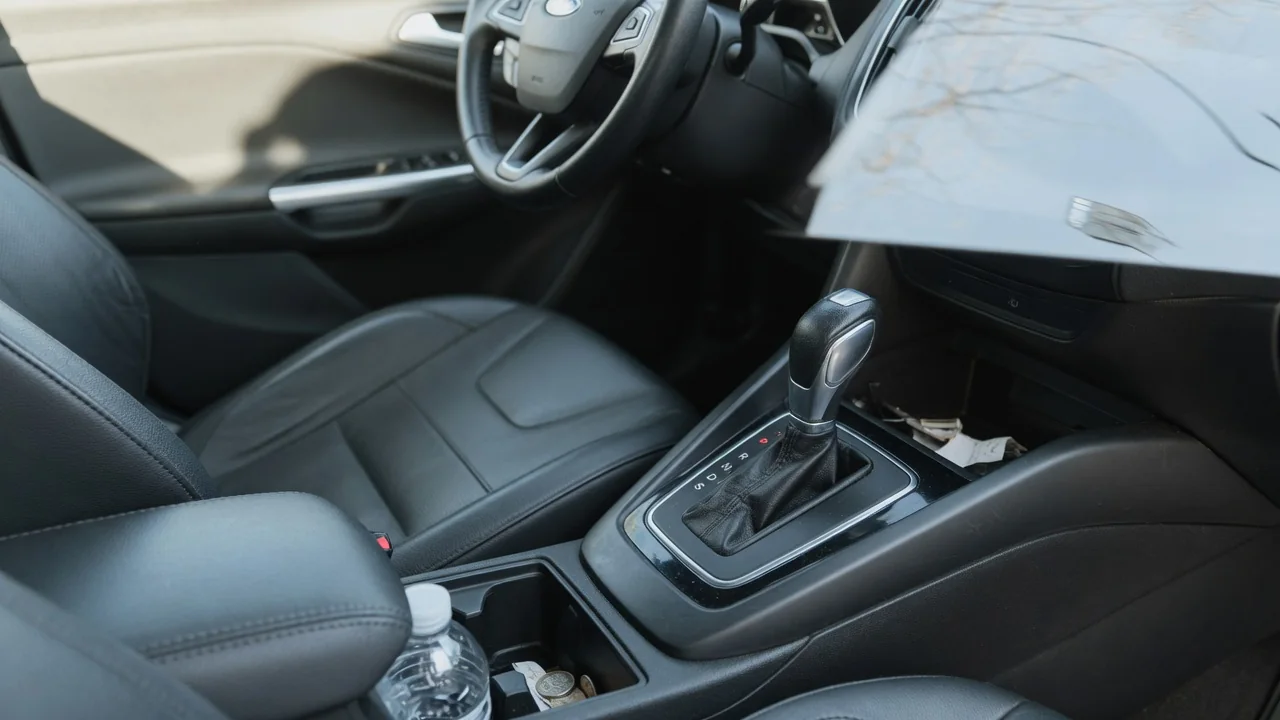
Drivers who wonder what does L mean on an automatic gear selector are usually looking at a position below Drive that rarely gets used. L stands for Low, a setting that keeps the transmission in its lower gears or ratios. It trades speed for pulling force and engine braking, though exactly how it behaves depends on the vehicle.
Gear restriction
In Drive, an automatic transmission upshifts as road speed rises so the engine can turn slowly and save fuel. Selecting L tells the transmission to stop doing that. On many conventional automatics, it holds first gear or limits shifting to the lowest one or two gears. The engine then spins faster for a given road speed, which multiplies torque at the wheels and keeps the drivetrain firmly connected instead of freewheeling toward a taller gear.
The details differ by design. A continuously variable transmission has no fixed gears, so L typically holds a low ratio range rather than a single gear. Some selectors replace L with numbered positions, a manual gate, or paddle shifters that do the same job. On many hybrids and electric vehicles, a similar position may be marked B and increases regenerative braking instead. The common thread is restriction: the vehicle is prevented from using its tallest gearing.
Hills
Long downhill grades are where Low earns its place. In Drive, a vehicle tends to gain speed on a descent, and the driver ends up riding the brake pedal. Prolonged braking heats the pads, rotors and fluid, and enough heat can cause fade, where the pedal feels softer and stopping distances grow. In a low gear, the engine resists the wheels, holding speed down so the brakes are needed only for occasional, firm applications.
Climbing benefits as well. On a steep ascent, a transmission left in Drive may hunt back and forth between gears as the load changes, which builds heat in the transmission fluid, particularly when towing or carrying a heavy load. Holding a low gear keeps the engine in a stronger part of its rev range and stops the repeated shifting. Some vehicles offer a tow/haul mode or a grade-logic feature that handles this automatically, so Low may be needed less often.
Read manual
Because L is not standardized, the owner's manual is the only reliable description of what it does in a particular vehicle. It explains whether the position holds first gear, allows a limited range, or works as a ratio setting on a CVT. It also states any maximum speed for selecting or staying in Low, which matters because engine speed climbs quickly in a low gear and the acceptable limit varies from one powertrain to another.
The manual also covers protections built into the vehicle. Many modern transmissions will delay a downshift if moving the lever to L at the current speed would over-rev the engine, and some will upshift on their own near the rev limit. Older or simpler designs may not intervene the same way. Reading the transmission and towing sections reveals which behavior applies, along with the manufacturer's guidance for hills, trailers, and slippery surfaces.
Everyday Use and Observations
For ordinary commuting and highway travel, Drive is the right choice, and many drivers never touch Low. Its practical uses are specific: descending a mountain pass, creeping down a steep driveway or boat ramp, pulling a load slowly, or moving through deep snow, mud or sand where steady torque helps. On slick roads, opinions and designs vary, since extra torque in a low gear can also spin the wheels more easily on some vehicles.
Several things are noticeable once L is engaged. The engine sounds louder and the tachometer reads higher at the same speed. Lifting off the accelerator slows the vehicle more sharply than in Drive, and the transmission declines to upshift as speed builds. The instrument cluster usually shows L or a gear number. Fuel consumption rises while the engine is held at higher revs, which is one reason Low is meant for short, deliberate use.
Limits and Next Steps
Low has limits. It is not intended for sustained highway speeds, where it would hold the engine at needlessly high revs and add heat, noise and fuel use. Engine braking supplements the brakes but does not replace them, and on a very steep or long grade both are needed. Shifting into L is best done at a modest speed, after slowing with the brakes, rather than as an abrupt move at cruising pace.
Unusual behavior deserves attention instead of assumptions. If the transmission will not hold a low gear, flares, slips, shifts harshly, or sets a warning light, the cause could range from fluid condition to a control or sensor issue, and a qualified technician should diagnose it on that specific vehicle. Any stored fault code is a starting point for testing, not a verdict on a part. For normal use, the next step is simply confirming the manual's guidance and trying Low on a familiar hill.