What Is Alcantara-Style Upholstery?
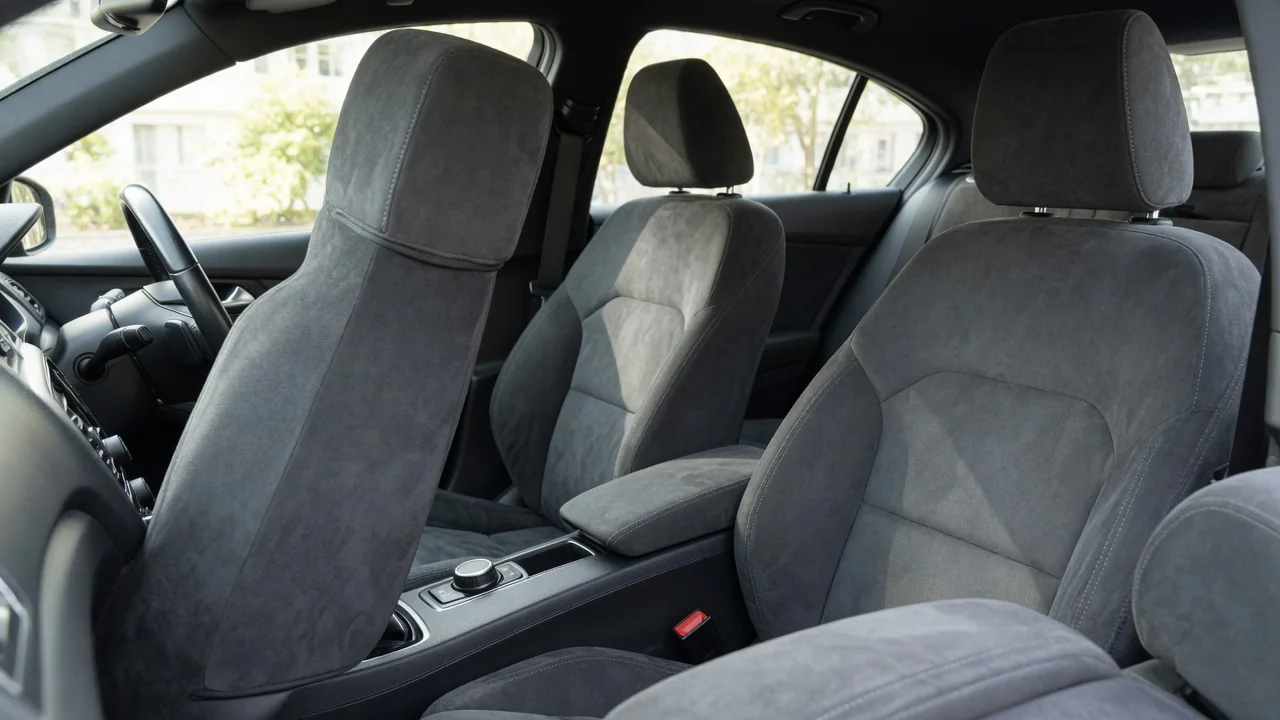
Drivers who ask what is Alcantara style upholstery are usually looking at a soft, suede-like surface on a steering wheel, seat insert, or headliner. The term describes synthetic microfiber materials that imitate the look and touch of suede without using animal hide. This guide explains how these surfaces feel, how they age, and how to care for them cautiously so the nap stays even and clean.
Material feel
Alcantara is a brand name for a synthetic microfiber material, and many automakers and aftermarket trimmers use similar suede-like fabrics under different trade names. All of them share a short, dense pile made from extremely fine fibers, which gives a dry, velvety touch quite unlike the smooth, cool surface of leather or vinyl. Run a fingertip across a seat bolster and the color appears to shift slightly as the fibers lean one way, then the other. That directional shading is the nap, and it is normal.
The texture also changes how a cabin behaves. A microfiber steering wheel rim tends to feel grippy in the hands, and seat inserts hold clothing in place during cornering better than slick hides usually do. The surface does not swing as sharply between hot and cold as leather can after a car sits in sun or frost. Where the material appears varies widely by vehicle and trim level, from full seat faces to small accents on door cards, shift boots, dashboards, or headliners, so check your own car's equipment description.
Brushing and cleaning
Routine care is mostly about keeping the fibers standing and free of dust. A soft-bristled upholstery brush or a clean, dry microfiber cloth moved gently across the surface lifts the nap and removes loose grit before it works deeper into the pile. Light vacuuming with a soft brush attachment helps on seats and headliner edges. Brushing in several directions with little pressure is the usual approach, because scrubbing hard in one spot can flatten or roughen the fibers and leave a visible patch.
For marks, less moisture is safer than more. A cloth that is only slightly damp, blotted rather than rubbed, handles many fresh spills, and a cleaner labeled for suede-like microfiber is the cautious choice when water alone is not enough. Test any product on a hidden area first, since dyes and backing materials differ between manufacturers. Leather conditioners, oily dressings, and harsh solvents are poor matches for this material. Let the surface dry naturally, then brush lightly to restore an even appearance. The owner's manual may list specific approved products.
Wear patterns
The most common change over time is matting, where the fibers lie flat and clump together until the surface looks shiny and feels smooth or slightly greasy. It usually shows first where skin touches most: the steering wheel at the usual hand positions, the top of a shift knob, and armrests. Skin oils, hand lotion, sunscreen, and sweat bind the fibers together, so what looks like worn-out material is often contamination sitting in the pile rather than fibers that have actually been lost.
True abrasion looks different. On the outer seat bolster, where a driver slides across on every entry, the pile can thin, form small pills, or reveal the backing beneath, and brushing will not bring it back. Darker shades tend to show shiny matted patches, while lighter colors reveal dye transfer from denim and general soiling more readily. Sun exposure near windows can also fade some fabrics. How quickly any of this appears depends on the specific material, how the vehicle is used, and how regularly it is maintained.
Everyday Use and Observations
Living with suede-like trim means noticing small habits. Clean, dry hands keep a microfiber steering wheel fresh far longer than hands coated in moisturizer or food residue, and some owners who drive frequently give the rim a quick dry brushing every few weeks. Drinks deserve extra care, because liquid can soak in instead of beading on the surface as it might on coated leather. Pet hair and lint cling to the pile too, which makes a soft brush or vacuum attachment worth keeping within reach.
A simple observation routine helps catch problems early. Look across the seats in angled daylight and compare high-contact zones with untouched areas such as the rear seatbacks or the lower door panel; differences in sheen or color show where attention is needed. Run a hand over the wheel and note whether any section feels slicker than the rest. Headliners need the gentlest handling of all, since the fabric is typically bonded to a thin foam backing that can loosen if soaked or pressed hard.
Limits and Next Steps
Home care has boundaries. Gentle brushing and careful spot cleaning can revive matted fibers and lift fresh soiling, but they cannot replace pile that has been worn away, reverse fading, or reliably remove set-in stains from ink, dye, or grease. Repeating aggressive attempts tends to make the area more noticeable rather than less. Steam, heavy wetting, and stiff brushes carry particular risk near seams, perforations, heated seat elements, and airbag-related trim, where moisture or force could cause damage beyond the fabric itself.
When a surface stays shiny, stiff, or discolored after cautious cleaning, the sensible next step is a professional detailer or automotive trimmer who works with microfiber suede regularly. They can judge whether deep cleaning will help or whether a panel, wheel wrap, or seat insert needs re-covering. Before buying products, confirm what your vehicle actually has, because some interiors mix genuine suede, branded microfiber, and lookalike fabrics. Warranty terms and manufacturer care guidance vary, so the documentation for your specific model is the best reference.