What Is a Hardtop Body Style?
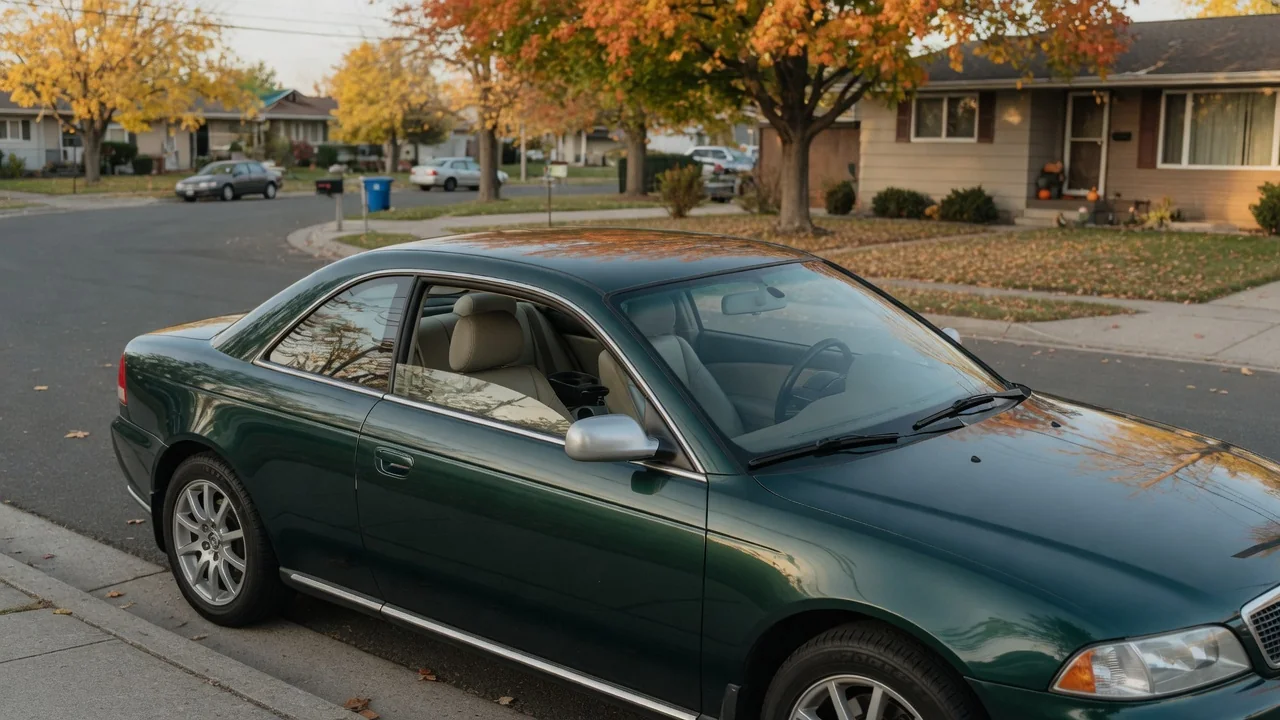
Anyone asking what is a hardtop body style is usually looking at a classic car listing or a brochure that uses the word without explanation. Historically, the term described a car with a fixed steel roof and no center pillar between the front and rear side windows, giving it the open, airy profile of a convertible with the top raised. The details below explain how to recognize one.
Window opening design
The defining feature of a traditional hardtop is what happens when all the side windows are lowered. On a conventional sedan or coupe, a fixed B-pillar stands between the front door glass and the rear side glass, running from the floor to the roof. A pillarless hardtop omits that upright above the beltline, so the opening stretches uninterrupted from the windshield post to the rear roof pillar. The effect resembles a convertible with its top up, which is why early examples were often marketed as hardtop convertibles.
The door glass on these cars is typically frameless, meaning the window rises out of the door without a surrounding metal channel and seals directly against weatherstripping on the roof rail. The rear quarter glass usually lowers as well, either straight down or along a curved or pivoting path into the body side. Designs varied by manufacturer and era: two-door and four-door versions were built, and some station wagons used the layout too, so the exact glass arrangement on any particular car is worth checking in person.
Structural tradeoffs
Removing the upper center pillar takes away a member that normally ties the roof to the floor and helps the body resist twisting. Manufacturers compensated in different ways, commonly by reinforcing the roof rails, windshield posts, rear pillars, and rocker areas, or by relying on a separate frame beneath the body, much as convertibles of the same period did. Four-door hardtops usually kept a short stub pillar below the beltline to carry the rear door hinges and front door latch, even though nothing rose above the window line.
These compromises had consequences owners could notice. Without a full pillar, the body could flex more over rough pavement, which sometimes showed up as rattles, shifting door gaps, or glass that no longer met its seals squarely. Roof strength in a rollover and protection in side impacts also became harder to engineer as safety expectations rose, and that pressure is widely regarded as one reason the true pillarless layout faded from mainstream production. How well any given car holds up depends on its design, condition, and repair history.
Modern naming ambiguity
The word hardtop now carries several meanings, and that causes confusion. In its plainest sense it describes any rigid roof as opposed to a folding fabric one, so a removable roof panel on an off-road vehicle or a detachable lid for a roadster is called a hardtop. Retractable hardtop describes a convertible whose rigid roof folds away mechanically. None of these uses says anything about whether the car has a center pillar, which was the heart of the historical body style definition.
Period marketing blurred the picture further. Some cars sold as pillared hardtops kept frameless door glass but added a fixed center post, borrowing the look without the open side. A few modern coupes have pillarless side openings yet are rarely advertised with the old name, while other vehicles hide a structural pillar behind blacked-out trim to suggest a continuous window line. Because labels in brochures, registrations, and sales listings are inconsistent, the body itself is a more reliable guide than the name attached to it.
Everyday Use and Observations
Living with a pillarless car has a distinct character. With every side window lowered, the cabin feels open and breezy in a way a pillared sedan cannot match, and outward visibility over the shoulder improves because no post interrupts the view. Many owners value that quality on a mild day at moderate speeds. The profile matters visually too: the unbroken side opening and often slimmer roofline give these cars a lighter, lower appearance that collectors readily associate with mid-century American styling.
The same design asks more of its seals. Frameless glass depends on accurate window adjustment and supple weatherstripping, so aged rubber or worn regulators and guides can produce wind noise at highway speed, water leaks in rain or a car wash, and glass that wobbles when a door is closed. Observers can look for uneven gaps where front and rear glass meet, moisture staining on the headliner or carpet, and windows that tilt or bind as they rise. Severity varies widely with the car's age and upkeep.
Limits and Next Steps
A general description can only go so far, because manufacturers applied the term differently across decades and markets. A name on a badge, title, or advertisement does not prove a car is pillarless, and trim levels within the same model line sometimes included both pillared and pillarless bodies. Factory literature for the specific year and model, body style codes on the identification plate where they exist, and marque clubs or registries are better sources for confirming how a particular vehicle was actually built.
The simplest check is physical: lower all the side glass and see whether anything remains standing between the front and rear openings above the beltline. Anyone considering a purchase should also examine the roof rails, rocker panels, and floor for corrosion or past collision repair, since those areas carry loads a center pillar would otherwise share. Structural repairs, glass alignment, and seal replacement on these bodies can be exacting work, so an inspection by a shop familiar with classic pillarless cars is a sensible step before committing.