What Happens During a Basic Car Diagnostic Visit?
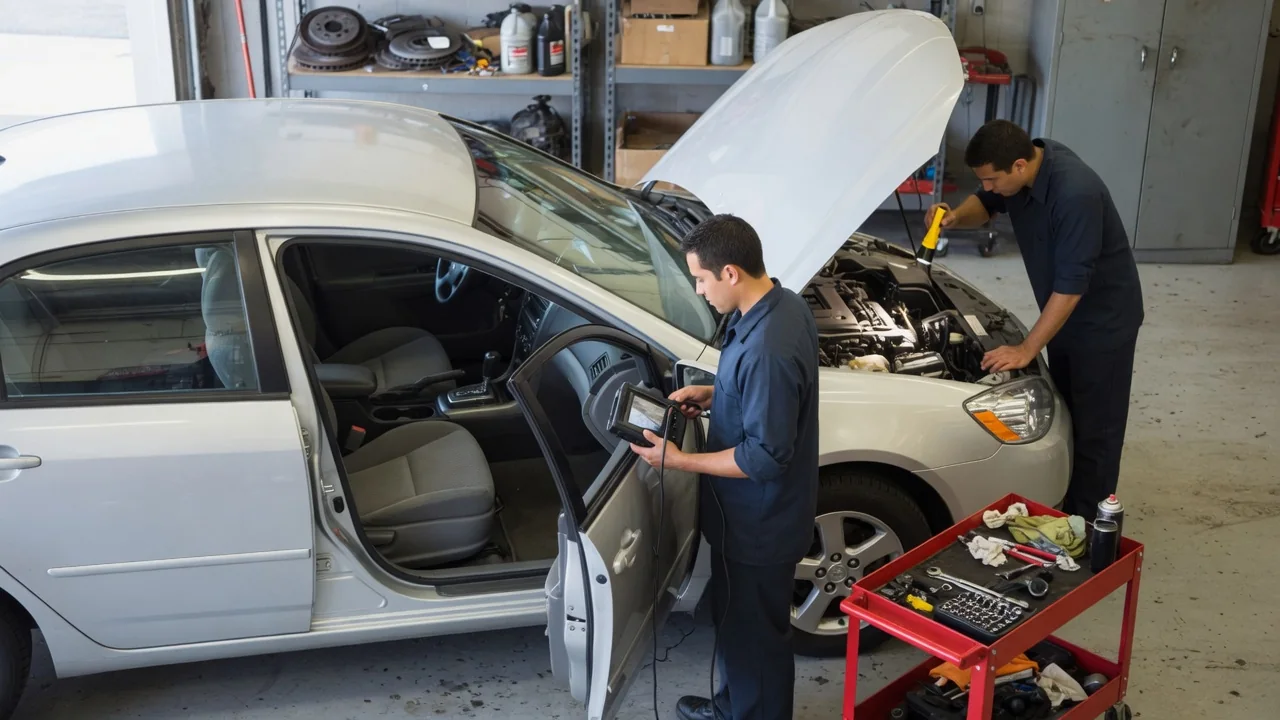
Many drivers wonder what happens during a basic car diagnostic visit before they hand over the keys. The process usually follows a predictable path: a conversation about the symptoms, a series of checks and tests, and a review of the findings with a repair estimate. Knowing each stage helps you prepare useful information and understand what the results really mean.
Describe problem
The visit starts with symptom intake, when a service advisor or technician asks what the car is doing and when it does it. Specific details matter far more than general complaints. Saying the engine stumbles on cold mornings, or that a vibration appears only above highway speed, narrows the search considerably. Mention any warning lights, whether they stay on steadily or flash, and anything that changed recently, such as a fuel fill-up, a battery replacement, or earlier repair work.
Conditions that trigger the problem are especially valuable because intermittent faults may not appear while the car sits in the shop. Note whether the issue shows up during braking, turning, acceleration, idling, wet weather, or with the air conditioning running. Sounds, smells, and sensations all count as evidence, so describe a grinding noise or a sweet odor in plain words. If the advisor writes your description on the work order, read it back to confirm it matches what you actually experience.
Testing
Testing typically begins with a scan tool connected to the diagnostic port, which reads stored trouble codes and the data captured when a fault was recorded. A technician may also watch live sensor readings such as coolant temperature, fuel trim, or oxygen sensor activity while the engine runs. A code points toward a circuit or system that reported something outside its expected range. It is a starting clue for further checks, not a verdict that a particular component has failed.
From there, the technician usually adds a visual inspection and basic hands-on checks. That can include looking for cracked vacuum hoses, loose connectors, fluid leaks, worn belts, and corroded battery terminals, along with testing battery and charging system voltage. A road test may follow to reproduce the complaint under real conditions. How deep this goes depends on the vehicle and the shop, since some manufacturer-specific codes and systems require dedicated equipment or reference information to interpret correctly for that exact model.
Review estimate
Once testing is complete, the shop explains what it found and presents an estimate. A clear estimate separates the diagnostic charge from the proposed repair and breaks the repair into parts and labor. It should connect each recommended item to the evidence behind it, such as a stored code backed by a failed voltage test or a visible leak. If the link between the finding and the recommendation is not obvious, asking how the conclusion was reached is entirely reasonable.
Estimates often sort work by urgency, and it helps to ask which items affect safety or risk further damage and which can wait. A brake fluid leak deserves faster attention than a seeping valve cover gasket, for example. You can also ask whether the diagnosis is confirmed or still a probable cause, because that affects how confident the repair will solve the complaint. Pricing, parts choices, and labor time vary by vehicle and shop, so request the figures in writing before approving anything.
Everyday Use and Observations
What you notice during normal driving shapes the quality of the diagnosis. Keeping brief notes before the appointment gives the technician a pattern to work with, such as a hesitation that appears only after the engine warms up or a warning light that came on shortly after refueling. Fuel economy changes, longer cranking before starting, new dashboard messages, and puddles under the parked car are all worth recording. A short phone video of a noise or a lit warning light can be surprisingly helpful.
Pay attention to how the car behaves after the visit as well. If a repair was completed, the original symptom should be gone under the same conditions that used to trigger it. Some vehicles need several drive cycles before the onboard monitors finish rechecking a system, so a light staying off over the following days is a meaningful sign. If the symptom returns or changes character, report that promptly with the same level of detail, since it gives the shop a fresh lead.
Limits and Next Steps
A basic diagnostic visit has limits. It generally covers a code scan, a visual inspection, and initial checks, which is enough to identify many straightforward faults but not every one. Intermittent electrical problems, internal engine or transmission concerns, and faults that leave no stored code may call for extended testing, such as circuit tracing, pressure tests, or smoke testing for leaks. That additional time is usually quoted separately, and a shop should ask for your approval before going beyond the initial scope.
When the findings are inconclusive, the sensible next steps depend on the risk involved. A car with a flashing warning light, overheating, or braking and steering concerns should not be driven casually while you decide. For less urgent issues, you might authorize further testing, monitor the symptom and return with new observations, or seek a second opinion with the written findings in hand. Keeping the diagnostic report, including any codes recorded, gives the next technician a documented starting point for your specific vehicle.