What Happens During a Vehicle Inspection?
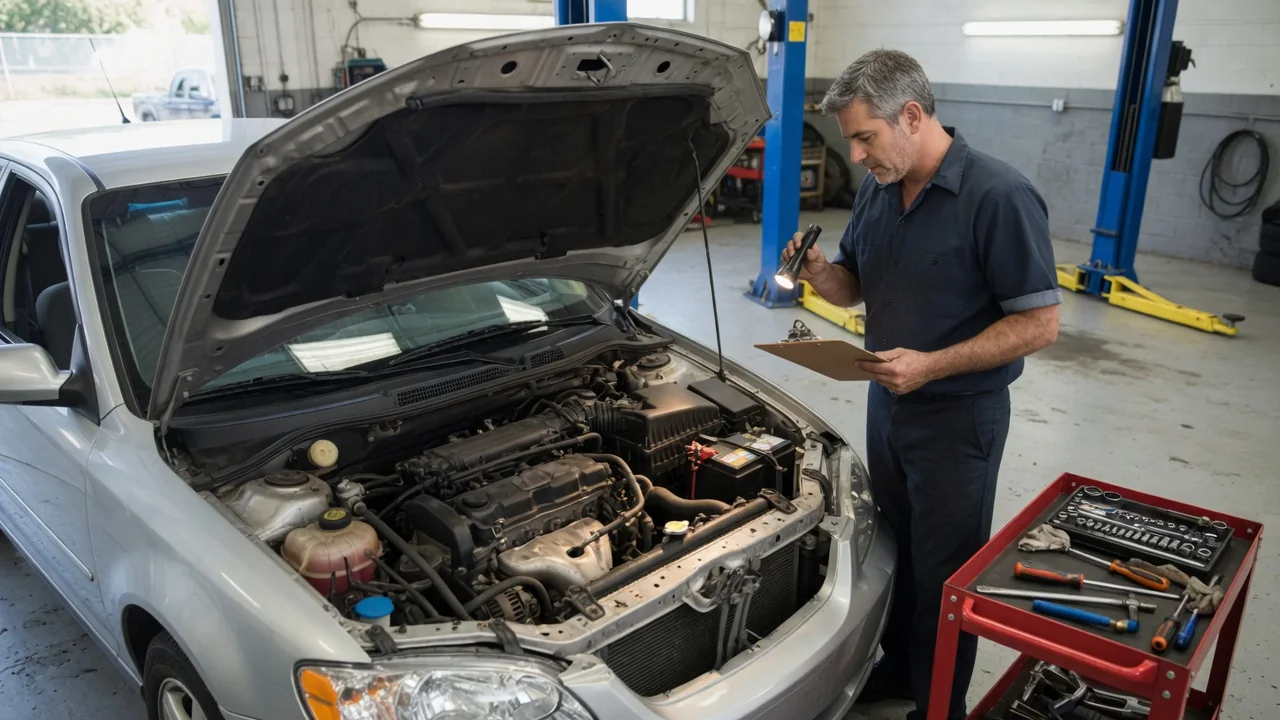
A vehicle inspection is a structured check of the parts and systems that keep a car safe, legal, and reasonably clean-running. Whether it is required by a state program or requested before a purchase, the process follows a predictable pattern: an inspector verifies the vehicle's identity, examines safety equipment, and often checks emissions controls. Knowing what happens helps drivers arrive prepared and understand the results.
What This Topic Covers
A motor vehicle inspection is an organized evaluation of whether a car, truck, or motorcycle meets the minimum condition expected for road use. Most programs focus on two broad areas: safety equipment, such as brakes, tires, lights, and steering, and emissions equipment, such as the catalytic converter and onboard diagnostic system. The inspector is not rebuilding or tuning anything. The goal is to document the condition of the vehicle at that moment and flag items that fall short of the applicable standard.
What gets checked, how often, and by whom depends on where the vehicle is registered and what type of vehicle it is. A state vehicle inspection may be handled by licensed private repair shops in one place and by dedicated government-run stations in another, and some jurisdictions require no periodic check at all. Drivers can usually observe much of the process from a waiting area, including the walkaround, the light checks, and the moment a scan tool is plugged in beneath the dashboard.
How It Works in a Vehicle
The visit typically begins with paperwork. The inspector confirms the vehicle identification number against the registration, and may record the odometer reading and verify proof of insurance where that is required. From there, a vehicle safety inspection moves through the exterior: headlights, brake lights, turn signals, and hazard flashers are operated one by one, the horn is sounded, wipers and washers are run, and the windshield and mirrors are examined for cracks or damage that could block the driver's view.
Next comes the mechanical portion. Tires are checked for tread depth, uneven wear, and sidewall damage, and the car may be raised on a lift so the inspector can view brake linings, hoses, suspension joints, steering linkage, and the exhaust system for leaks. Where emissions testing applies, a scan tool connected to the diagnostic port reads readiness monitors and any stored fault codes. A stored code points the inspector toward a system that needs attention; it does not by itself prove that a particular part has failed.
Common Variations
Inspection programs differ considerably. Some combine safety and emissions checks in one appointment, others require only one of the two, and some apply emissions testing only in certain counties or metropolitan areas. Frequency also varies, with annual, biennial, and at-sale-only schedules all in use. Because of these differences, a vehicle state inspection that a driver remembers from one location may look quite different after a move, and the registration authority for the new address is the reliable source for current requirements.
The vehicle itself changes the procedure too. Older cars without modern onboard diagnostics may receive a tailpipe test, where a probe samples the exhaust, while newer models are usually evaluated through the diagnostic port. Diesel trucks may face an exhaust opacity check, electric vehicles generally skip emissions testing because they have no tailpipe, and motorcycles, trailers, and commercial vehicles often follow separate checklists. Outside government programs, pre-purchase and dealer multipoint inspections use similar methods but serve a buyer or owner rather than a legal requirement.
Everyday Use and Observations
Many of the items an inspector evaluates are things drivers can notice in ordinary use. A burned-out bulb shows up as a rapid turn signal flash or a dashboard warning on some models. Wipers that streak, a horn that sounds weak, a brake pedal that feels soft or sinks, and a steering wheel that pulls to one side all hint at conditions an inspection might record. Tread wear bars molded into the tire grooves give a simple visual cue when tires are nearing the end of their life.
Dashboard lights deserve particular attention before an appointment. An illuminated check engine light commonly causes an emissions test to be rejected or failed where such testing applies, and warning lamps for brakes or airbags may matter under some safety checklists. Recently disconnecting the battery or clearing codes can also create problems, because the readiness monitors the scan tool looks for need a period of normal driving to complete. How long that takes varies by manufacturer and by how the vehicle is driven.
Limits and Next Steps
A passed inspection has limits. It confirms that the checked items met the standard on the day of the test, not that the vehicle is free of defects or will stay reliable. Inspectors generally do not disassemble components, so internal engine wear, transmission condition, intermittent electrical faults, and hidden corrosion can go unnoticed. The check also covers a defined list; air conditioning performance, infotainment problems, or minor oil seepage usually fall outside it. Routine maintenance remains a separate responsibility.
If the vehicle does not pass, the station normally provides a report listing the items that fell short. That report is a starting point for diagnosis rather than a final repair order, especially when a fault code is involved, since the same code can stem from wiring, a sensor, a leak, or the component itself. Most programs allow a retest after repairs, though deadlines and fees differ by jurisdiction. Keeping the paperwork, and asking the repair shop to explain what was found and confirmed, makes the return visit smoother.