What Is a Vehicle Multipoint Inspection?
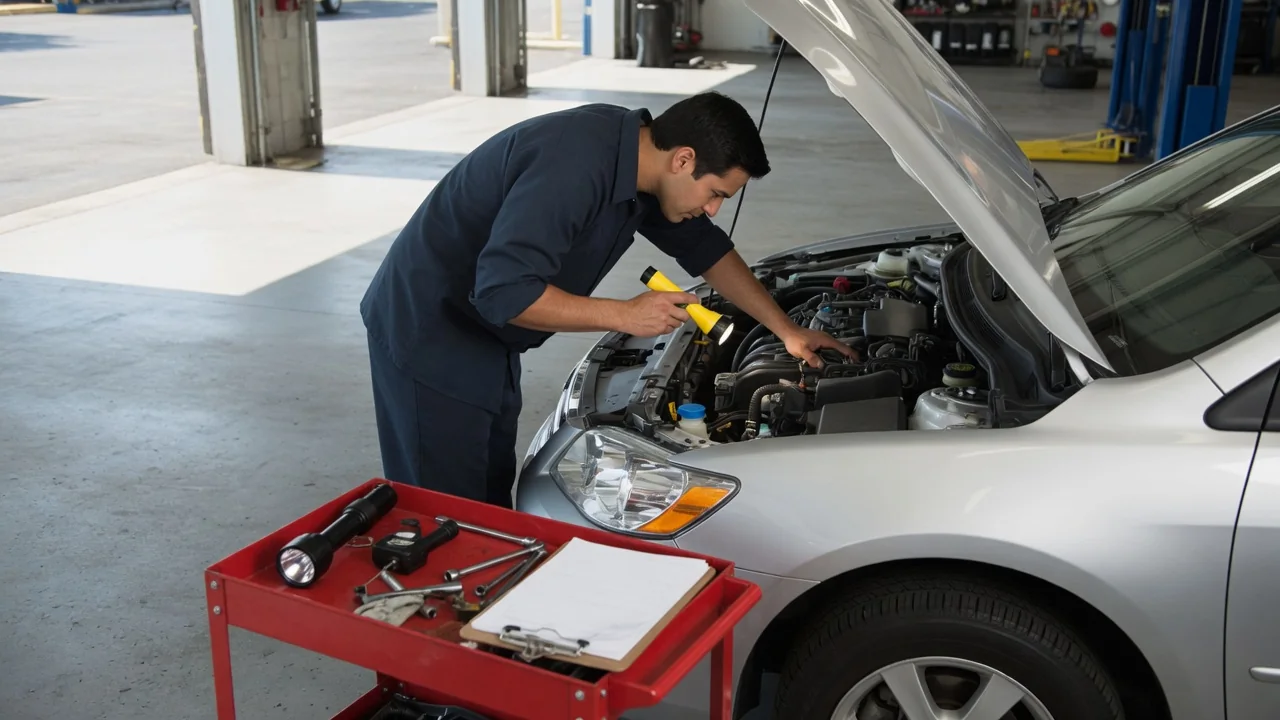
Drivers who drop a car off for an oil change often leave with a checklist they did not expect, which raises the question: what is a vehicle multipoint inspection? In short, it is a structured visual and hands-on review of major systems performed during a service visit, meant to catch wear early and give owners a clear picture of the vehicle's overall condition.
Areas examined
A multipoint inspection usually begins under the hood, where a technician checks engine oil, coolant, brake fluid, and washer fluid for level and condition. Belts and hoses are examined for cracking, glazing, or soft spots, and the battery is commonly checked for corrosion at the terminals and, in many shops, tested for charge. The air filter may be pulled for a look as well. These items share one trait: they degrade gradually, so a quick look can reveal trouble before it leaves a driver stranded.
With the vehicle raised, attention shifts to tires, brakes, steering, and suspension. Tread depth is measured across each tire, since uneven wear can point toward alignment or inflation problems. Brake pads and rotors are assessed where they are visible, and shocks, struts, and boots are checked for leaks or tears. Exterior lights, wiper blades, and the horn are typically tested too. The exact checklist varies by shop and vehicle; an electric car has no engine oil or drive belts, for instance, while a four-wheel-drive truck adds extra driveline components to review.
Written findings
Results are normally recorded on a printed or digital form, and many shops use a color system to sort them. Green generally means an item looked acceptable, yellow suggests wear that deserves monitoring, and red flags something the shop believes needs prompt attention. Some forms also include measurements, such as tire tread depth for each wheel position or remaining brake pad thickness. Numbers like these are more useful than a color alone because they let an owner track change from one visit to the next.
Digital reports increasingly include photos or short videos showing a leaking seal, a cracked belt, or a worn tire edge. That visual evidence helps an owner understand what the technician saw without standing in the service bay. Formats differ widely, though. A dealership may follow a manufacturer-designed checklist, while an independent garage might use its own shorter sheet. Whatever the layout, keeping each report with the vehicle's records builds a history that makes later decisions, and eventual resale conversations, considerably easier.
Priority questions
Once the report is in hand, the most useful question is which items affect safety and which simply reflect normal aging. Brake components near the end of their life, a tire with exposed cords, or a leaking brake line belong in a different category than a slightly dirty cabin filter. Asking the service advisor to rank the findings by urgency turns a long list into a plan, separating repairs that should happen before the car leaves from those that can wait until a later appointment.
It also helps to ask what the technician actually observed and how it was measured. A yellow mark on brake pads means more when paired with a thickness reading and the manufacturer's stated minimum for that vehicle. Owners can reasonably ask to see the worn part, request the measurement, or check the maintenance schedule in the owner's manual to confirm whether a recommended fluid service matches the published interval. Clear answers to these questions distinguish a genuine finding from a routine upsell.
Everyday Use and Observations
Drivers supply information an inspection cannot capture on its own. A technician sees the car parked in a bay for a short time, while the owner lives with it daily. A pull to one side during braking, a vibration at highway speed, a squeal on cold mornings, or a warning light that comes and goes are all worth mentioning at drop-off. Details about when a symptom appears, such as only in rain or only after a long drive, help direct attention to the right area.
Between visits, a few simple habits complement the shop's checklist. Glancing at the tires for low pressure or uneven wear, noticing fresh spots on the driveway, and confirming that all lights work takes only a minute. How the vehicle is used matters as well. Frequent short trips, towing, dusty roads, and stop-and-go commuting tend to wear fluids, filters, and brakes faster than gentle highway driving, so two identical cars can produce quite different inspection results at the same mileage.
Limits and Next Steps
A multipoint inspection is a screening, not a full diagnosis. It relies mostly on what can be seen, touched, or measured quickly, so internal engine wear, intermittent electrical faults, and problems hidden behind panels can go unnoticed. It also differs from a state safety or emissions inspection, which follows legal requirements, and from a pre-purchase inspection, which is usually more thorough. A clean report indicates nothing obvious was found that day; it does not guarantee that every component is healthy.
When a finding needs more investigation, the next step is usually dedicated diagnostic time. A stored fault code, for example, is a clue about where a system detected something unusual, not proof that a particular part has failed, and some codes carry manufacturer-specific meanings that must be confirmed for the exact vehicle. For larger recommended repairs, requesting a written estimate and seeking a second opinion is reasonable. Scheduling monitored items for recheck at the next service keeps small concerns from being forgotten.