What Causes Parasitic Drain on a Car Battery
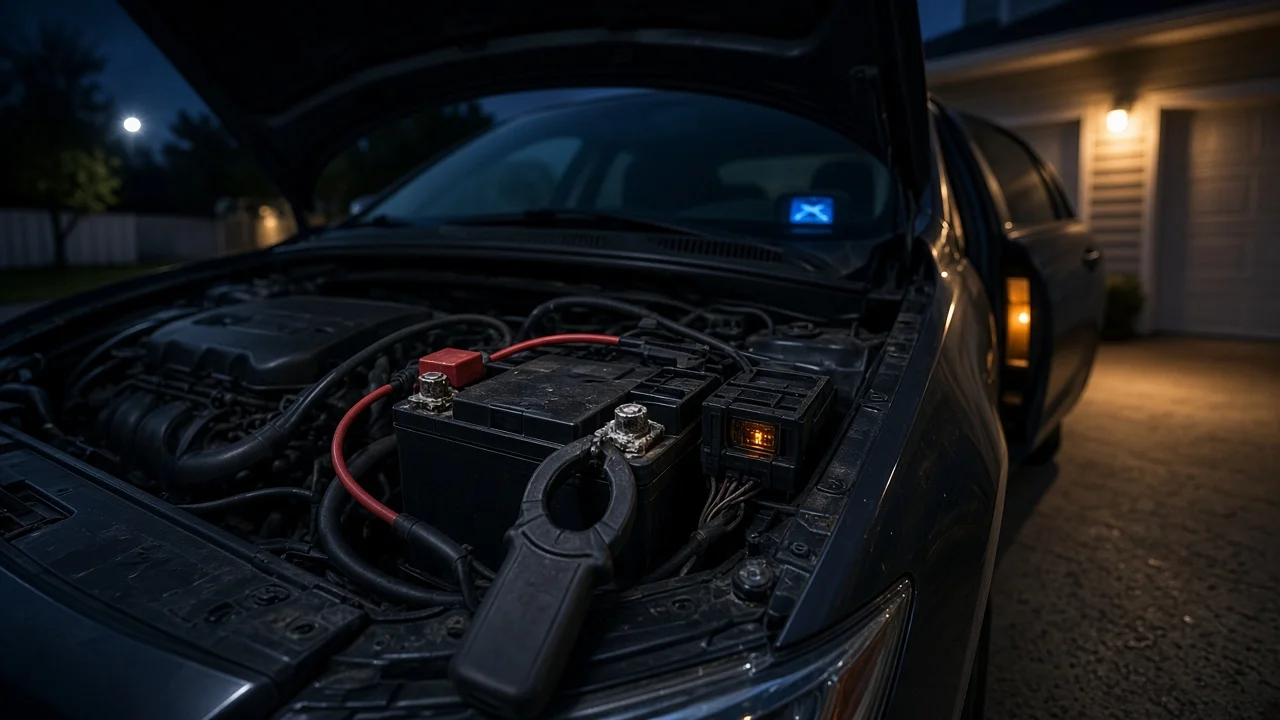
A car battery that keeps going weak after sitting overnight often points to more than an old battery. The vehicle may be losing current while the ignition is off, a condition commonly described as parasitic battery drain. Understanding what can cause a parasitic drain on a car battery helps separate normal memory functions from a genuine electrical fault. The causes range from simple mistakes such as an interior light staying on to more involved module or wiring failures. This overview explains the common causes of parasitic battery drain in a car, how the draw occurs, and which checks help narrow the problem.
Essential answer
Parasitic drain is the small but steady current a vehicle consumes after the key is removed and all accessories are switched off. A limited amount of this draw is normal because control modules, security systems, and radio memory keep low-power circuits active. The drain becomes a problem when the total shutdown current is high enough to reduce battery voltage over hours or days, leaving the starter unable to crank. What causes parasitic drain on a car battery is therefore not one single failure; it is an abnormal load that continues when the vehicle should be mostly asleep.
The direct answer is that any component receiving power after shutdown can contribute. High-runner causes include glove box or trunk lamps that remain lit, aftermarket alarms or stereo wiring, charging ports with internal faults, and modules that do not enter sleep mode. A weak battery or insufficient charging output can make the same draw appear worse, but the hidden current is the primary suspect when the battery repeatedly drops after the car sits.
How it works
Modern vehicles never fully disconnect the battery when the ignition is off. The electrical system is designed around a controlled standby state in which engine computers, body controllers, and anti-theft devices consume a small maintenance current. The normal parasitic draw helps retain learned settings as well as clock and keyless-entry readiness. When the system works correctly, this load eventually settles into a low steady level that a healthy battery can support for weeks without falling below the voltage needed to start.
A parasitic drain becomes harmful when an open circuit path, failed switch, or driver that has not powered down keeps current flowing at a significantly higher rate. The battery supplies that load until its state of charge declines, and the alternator cannot replace it while the engine is off. Even a modest increase in shutdown amperage can fully discharge a battery over a long weekend. Testing usually involves checking system voltage, measuring current at the battery terminals with the vehicle asleep, and then pulling fuses to identify the responsible circuit.
Strengths, limitations and suitability
The main strength of a diagnostic approach to parasitic battery drain is that it separates expected standby current from an unintended load. A low normal draw is beneficial because it preserves security operation, radio presets, and emission-related memory. The limitation is that the acceptable level varies by vehicle, equipment, and the time required for modules to sleep. A car loaded with telematics, power liftgate modules, and aftermarket electronics may show a higher resting draw without necessarily having a defect.
This assessment matters for owners who park for long periods, use the vehicle for short trips, or have added dash cameras, remote starters, or audio gear. Suitability depends on driving habits and battery condition. A commuter vehicle that is driven daily may tolerate more parasitic load than a weekend car stored outdoors. If the charging output is weak or the battery is aging, the same draw can cause repeated no-start conditions, so the test result should be judged together with battery health and normal sleep current.
Procedure
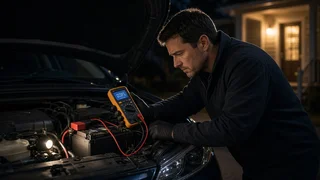
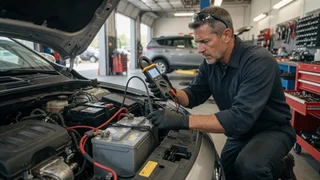
Begin by preparing the vehicle so that all doors are closed, the key is removed, and any added accessories are off. A multimeter with a current-measuring function is usually placed in series at the battery terminal after the system has had time to enter sleep. The hood latch may need to be closed or bypassed so the body controller does not stay awake. Allow sufficient time for interior lights and modules to shut down before taking a stable reading, since opening a door or reconnecting the battery can restart the sleep sequence.
Once a stable draw is measured, the next step is narrowing the load by removing fuses one at a time while watching the meter. A significant drop when a particular fuse is removed indicates the circuit that is staying active. The wiring diagram and fuse rating help identify what that circuit feeds. This is a diagnostic procedure rather than a repair instruction, and careful note-taking is important because reinserting fuses or waking modules can change the reading. At no point should a fuse be replaced with a higher rating just to stop a test result.
Diagnosing a problem
When a battery repeatedly dies after parking, first rule out simple visible causes before blaming a module. Check that trunk, glove box, vanity mirror, and underhood lamps actually turn off. Then consider recent additions, because improperly wired aftermarket equipment is a common cause of parasitic draw. A phone charger left in a live power socket may also remain warm and draw current even when nothing is plugged into it. Confirming that the battery terminals are clean and tight prevents a poor connection from being mistaken for a drain.
If the draw is above the normal resting range, use the fuse-pull method to isolate the circuit. A voltage drop across fuses can also point to active branch circuits without opening every connection. A fault code may indicate a module that is not sleeping, but it is evidence to investigate rather than proof that a specific control unit has failed. Manufacturer-dependent behavior means the same symptom can have different normal sleep times or wake triggers in different models, so vehicle-specific confirmation is necessary before replacing parts.