What Is Parasitic Drain on a Car Battery?
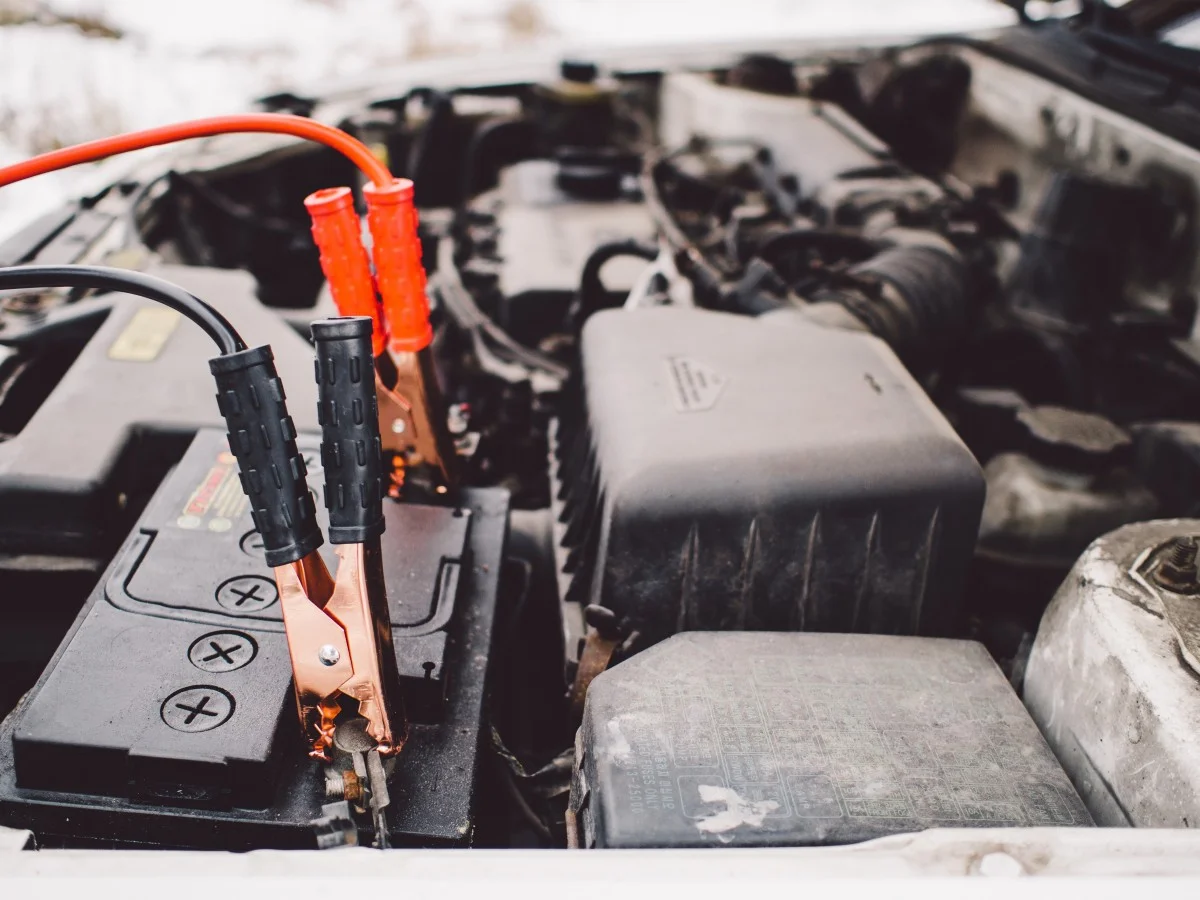
Every modern car pulls a small amount of current from its 12-volt battery even when it is locked and parked. That is normal. A parasitic drain becomes a problem when the draw is larger than designed or never stops. The battery is then too weak to start the engine after a few days. This guide explains what parasitic battery drain is, what causes it, which symptoms to recognize, and how owners can confirm and isolate it safely.
What Parasitic Drain on a Car Battery Means
Parasitic drain is any electrical current that flows out of the starter battery while the ignition is off. Some of it is intentional. The clock, radio presets, keyless entry receiver, alarm and control module memory all need a trickle of power to stay ready. This expected load is often called key-off draw or parasitic draw. The word drain usually describes the abnormal case. Either a component keeps drawing current it should not, or a module fails to go to sleep and keeps the vehicle network awake.
There is no single universal limit. Many late-model vehicles settle to a few tens of milliamps once their modules sleep. A figure around 50 milliamps is a common rule of thumb for an acceptable reading. Heavily equipped vehicles may be specified higher, and older, simpler cars often draw less. The manufacturer's service information gives two things: the actual specification, and the time the vehicle needs to settle before a reading is valid. Treat any generic number as a starting point, not a pass or fail line.
How a Parasitic Draw Empties the Battery
A battery stores a limited number of amp-hours, and a constant draw subtracts from that store every hour the car sits. The arithmetic is simple. A draw of 50 milliamps for 24 hours removes 1.2 amp-hours, while a faulty 500 milliamp load removes 12 amp-hours in the same day. The battery does not need to be fully empty for the car to fail to start. Once the state of charge falls far enough, the battery cannot hold system voltage up under the heavy load of the starter motor. Repeated deep discharges also shorten battery life, so a drain that goes unrepaired can turn a good battery into a weak one.
Timing matters because modern electronics do not shut down the moment the key is turned off. Modules stay awake for a while after the ignition is switched off, a door is opened, or the key fob is used. Then they step down into a low-power sleep mode. During that wake period the draw can be far higher than the final resting value. A genuine fault shows up in one of three ways. The current never drops, one module keeps waking the others, or a component such as a lamp, relay or aftermarket device stays powered around the clock.
Common Symptoms of Parasitic Drain
The classic sign is a car that starts fine after a short stop but cranks slowly, clicks, or is completely dead after sitting overnight or for a few days. Other clues include: • A battery that tests good after charging yet keeps going flat. • A clock or radio settings that reset. • Warning lights or odd electrical behavior after a no-start. • A jump start that works every time while the problem never goes away. Some clues point straight at the source. These include a light that stays on in the trunk, glovebox or under the hood, or a relay that keeps clicking or feels warm after shutdown.
These symptoms overlap with other faults. The same no-start pattern can come from a battery near the end of its life, corroded or loose battery terminals, or weak charging output from the alternator. Short trips that never recharge the battery after starting can also look like a drain. That is why testing the battery and charging system comes before chasing a parasitic draw.
What Changes the Answer
The acceptable draw, and the time it takes to reach it, vary by vehicle. Cars with telematics, remote start, connected-car apps, factory alarms or many control modules may take longer to sleep. Some also wake periodically to check in or monitor the battery. Aftermarket stereos, amplifiers, dash cameras, trackers and alarms are frequent causes of excessive drain, especially when wired to a constant power source. Battery size, age and temperature also matter. A small or aging battery tolerates less draw, and cold weather reduces the cranking capacity left over.
Hybrids and electric vehicles add an important distinction. They still have a conventional 12-volt auxiliary battery. It powers the computers, the locks, and the system that switches on the high-voltage traction battery. Parasitic loads can drain that 12-volt battery just as they drain a gasoline car's battery. The high-voltage pack and its orange cables are a separate system and are not part of a parasitic drain test. Do not probe, disconnect or open any high-voltage component. Work only at the 12-volt battery and its fuse boxes, and follow the manufacturer's procedure for that model.
Vehicles with start-stop systems often use AGM or enhanced flooded batteries, plus an electronic battery sensor on the negative cable. Disconnecting the battery or inserting a meter can reset that sensor's data, the power window settings or other learned values. Check the service information for the correct connection point and any relearn steps.
How Owners Can Check for a Drain
Start with the basics. Charge the battery fully and have it load tested, since a battery that cannot hold a charge will mimic a drain. Clean and tighten the battery terminals. With the engine running, measure system voltage at the battery. Many vehicles charge in roughly the 13.5 to 14.7 volt range, but some use variable charging strategies, so compare the result to your vehicle's specification. If the charging output and the battery both check out, a parasitic draw becomes the likely suspect.
The standard test uses a digital multimeter set to its amps range. Connect it in series between the negative battery post and the disconnected negative cable. If possible, connect the meter or a jumper before you break the circuit, so the modules do not wake up and restart their sleep timer. Close the doors, latch the hood switch if needed, lock the car and wait for the reading to settle. Depending on the vehicle, that can take from a few minutes to an hour or more. Never crank the engine or switch on headlights, the blower or other heavy loads while the meter is in series. The current can blow the meter's internal fuse or damage the meter. A DC clamp meter with a low milliamp range avoids breaking the circuit altogether.
To isolate the source, use the wiring diagram to identify which fuses have power with the ignition off. The gentler method is to measure the millivolt voltage drop across each of those fuses without removing them. A fuse carrying current shows a small reading, and charts based on fuse rating and type convert that reading into approximate current. The older method is to pull fuses one at a time while watching the ammeter and note which one makes the draw fall. Once you find the circuit, the diagram shows which components share it. If no fuse accounts for the draw, check the circuits fed directly from the battery or through main fuse links, such as the alternator output and starter feed. A leaking alternator diode can drain a battery overnight.
Limitations and When to Get Professional Help
A generic test can only point in a direction. The correct draw limit, sleep time, fuse layout and safe connection point all depend on the specific make, model and equipment. That makes the vehicle's service information and wiring diagram essential. Intermittent drains are the hardest to catch, because the faulty module may wake only occasionally. These often require a technician who can monitor the vehicle network over time or read module wake-up records with a scan tool.
Get professional help in any of these cases: • The draw does not trace to a simple cause such as a stuck light or an aftermarket accessory. • The vehicle is a hybrid or electric model and anything beyond the 12-volt battery seems involved. • You are not comfortable working around battery terminals. In the meantime, a battery maintainer can keep a car that sits for long periods charged. It only manages the symptom, though. The underlying parasitic drain still needs to be found and repaired.