What Are Character Lines on a Car Body?
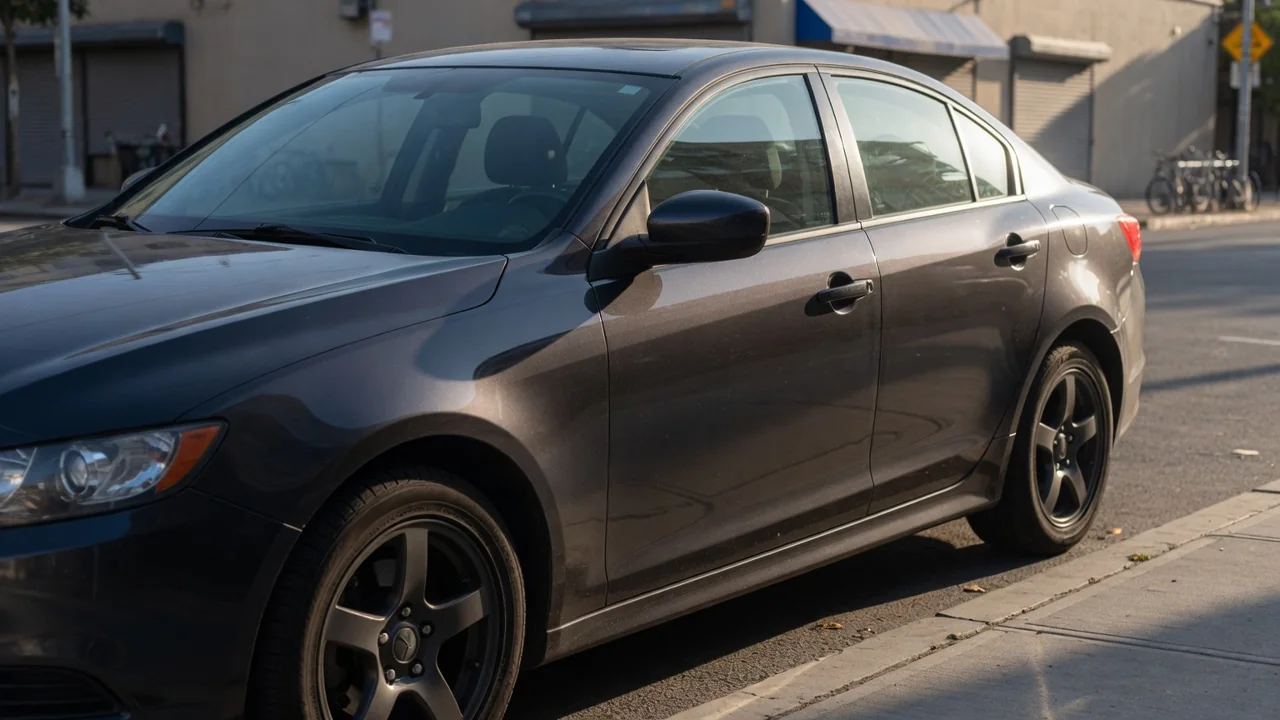
If you have ever wondered what are character lines on a car body, the short answer is that they are the deliberate creases, ridges and folds pressed into exterior panels. They run along doors, fenders, hoods and quarter panels, giving flat sheet metal a sense of direction and tension. Beyond styling, these features also influence how panels are made, fitted, repaired and cared for.
How light reveals shape
A painted panel has no visible shape of its own until light strikes it. A character line works by forcing the surface to change direction abruptly, so the area above the crease faces the sky and reflects brightness while the area below turns toward the ground and reads darker. That sharp boundary between highlight and shadow is what the eye interprets as a line. Designers place it carefully, often running it from the headlamp through the door handles to the tail lamp.
Not every line is a hard crease. Some vehicles use a crisp, knife-like fold, while others rely on a soft shoulder where the surface rolls gradually and the highlight spreads into a broad band. Walk around a car at dusk or under parking garage tube lights and you can watch reflections bend, pinch and stretch as they cross each feature. Dark, glossy colors exaggerate the effect, whereas white, silver and matte finishes tend to mute it, so the same body can look quite different by paint choice.
Panel alignment
Because a character line usually crosses several separate panels, it becomes a built-in ruler for judging fit. A crease that starts on the front fender must continue across the front door, the rear door and the quarter panel at the same height and depth. If a door sits slightly low, high, or proud of its neighbor, the line appears to step or kink at the gap. The eye catches that break far more easily than it notices a small difference in gap width.
Factories adjust hinges, strikers and panel mounting points so these features flow continuously, yet some variation between individual vehicles is normal, and the tolerance a manufacturer accepts differs by brand and model. Checking is simple: crouch at one corner and sight down the side of the car, watching whether the crease travels in one unbroken sweep. A misalignment may point to earlier bodywork, a sagging hinge or a door that was adjusted, but it is only a clue worth investigating, not proof of damage.
Repair visibility
Creases are among the hardest areas of a body to restore. The fold stiffens the metal, which is helpful for resisting flex but makes a dent on the line more stubborn than one in an open, flat area. A technician has to rebuild the exact peak, the radius and the surfaces on either side, whether by working the metal or shaping filler. If the rebuilt edge is slightly soft, wavy or shifted, the highlight running along it will wobble and betray the repair.
Paint adds another layer of difficulty. Sanding and polishing tend to remove material faster on a raised edge, so coatings can be thinner there, and a color blend that crosses a crease may show a tone shift as the viewing angle changes, particularly with metallic and pearl finishes. When inspecting a used vehicle, compare the same line on the left and right sides under even lighting. Differences in sharpness, texture or reflection suggest refinishing, though confirming it calls for a professional inspection or paint thickness measurement.
Everyday Use and Observations
In daily ownership, character lines shape more than appearance. A protruding shoulder line or lower door crease is often the first point of contact with a neighboring door in a tight parking space, so chips and small dings tend to cluster along it. Dirt and road film collect in the recessed channels beneath a crease, and water often tracks along those features during rain or washing. Some body sides are sculpted so spray is directed away from door handles and glass, although the effect varies widely.
Washing and waxing reveal these shapes by touch as well as sight. Running a wash mitt along a door, you can feel where the surface breaks, and those edges deserve a lighter hand because paint on a sharp ridge is more exposed to abrasion. Trucks and SUVs frequently carry bold, squared-off creases across the hood and fenders to suggest strength, while sedans and coupes may use a single rising line to imply motion. Aluminum, steel and plastic panels can each hold a crease differently.
Limits and Next Steps
Character lines have limits as evidence and as engineering. They do add local stiffness to thin sheet metal and can help a large panel resist drumming or oil-canning, but they are not a measure of crash protection or overall build quality. Likewise, a crisp line does not guarantee a car has never been repaired, and a slight mismatch does not confirm a collision. How deep a crease can be stamped depends on the material, tooling and design priorities of each manufacturer.
A practical next step is simply to train your eye. Study your own vehicle in low, angled light, note where each crease begins and fades, and photograph the sides so later changes are easier to spot. If you find a dent on a line, ask a body shop or paintless dent repair specialist whether the location is workable before assuming an easy fix. For a purchase decision, pair your visual impressions with a qualified pre-purchase inspection and the vehicle's documented history.