What Are Exterior Body Claddings?
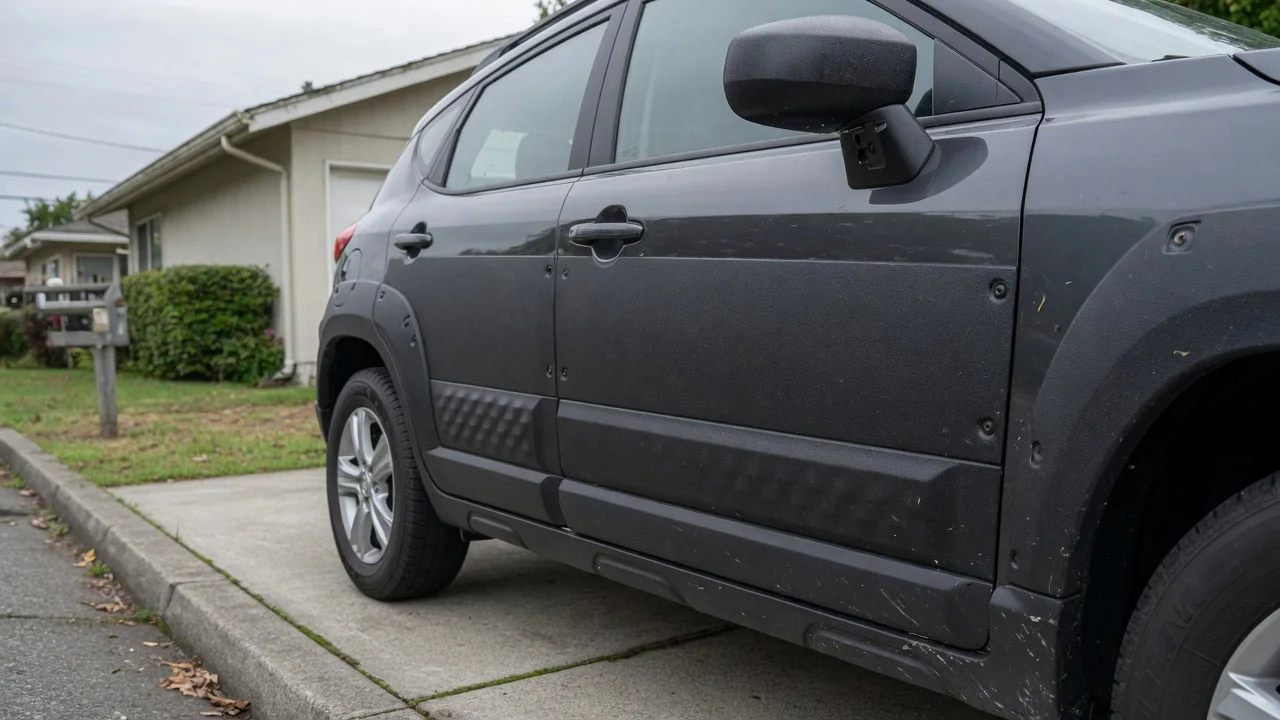
Anyone asking what are exterior body claddings is usually looking at the dark, often textured trim that wraps the lower edges of a crossover, SUV, or pickup. These add-on pieces cover painted sheet metal in areas prone to chips and scuffs, while also giving a vehicle a tougher, more rugged look. Understanding where they sit, what they are made of, and how they age helps owners care for them.
Panel location
Cladding is typically found along the lower portion of the body, where road debris and door dings do the most damage. Common spots include the wheel arch openings, the rocker area beneath the doors, the lower door skins, and the bottom edges of the front and rear bumpers. On many crossovers these pieces connect visually, forming a continuous dark band that runs from the front fascia, around each wheel opening, and back to the rear bumper.
Placement varies widely by vehicle and trim level. An off-road-oriented version of a model may carry wide fender flares and thick lower door panels, while the base version of the same vehicle has slim arch moldings or painted surfaces instead. Some designs extend cladding higher up the doors or onto the tailgate. Walking around the vehicle and noting where painted metal ends and separate trim begins is the simplest way to map what a particular model has.
Material
Most cladding is molded from plastics, with unpainted, grained thermoplastics being the familiar choice for black or dark gray pieces. The color runs through the material rather than sitting on top as a coating, so a light scrape tends to show less than it would on painted metal. The textured surface also hides minor scuffs. Other vehicles use smooth plastic panels that are painted body color, gloss black, or a contrasting silver for a more refined appearance.
The finish tells readers a lot about design intent. Matte, grained trim signals utility and suggests a vehicle meant for gravel and trails, even when its mechanical hardware is identical to a road-focused version. Painted or glossy cladding leans toward style and behaves more like regular paintwork, showing chips and swirl marks. Attachment methods also differ, with clips, adhesive tape, and hidden fasteners all in use, so the exact construction should be confirmed for the specific vehicle before any removal is attempted.
Cleaning
Routine washing with car shampoo and a soft mitt or brush is generally enough for textured cladding. The grain can trap road film, dried mud, and wax residue, so a soft-bristled detailing brush helps lift dirt out of the pattern. Wax or polish intended for paint often leaves chalky white marks on unpainted plastic, which is why many owners mask the trim or work carefully near its edges when protecting the surrounding panels.
Sunlight and weather gradually fade unpainted plastic from deep black to a dull, chalky gray. Trim-specific dressings and restorers can darken the surface and add some protection, though results and durability depend on the product and the condition of the plastic. Harsh solvents and strong degreasers may stain or dry the material, so testing any cleaner on a small hidden area first is sensible. Painted cladding should be treated like the rest of the body, with paint-safe products.
Everyday Use and Observations
In daily driving, cladding takes the abuse that would otherwise reach paint. Gravel thrown by the front tires strikes the rocker and arch trim, shopping carts and car doors hit the lower door panels, and brush along a narrow trail drags across the fender flares. Because the pieces are separate from the body, a damaged section can often be replaced on its own rather than requiring metal repair and refinishing, though parts availability varies by model.
Owners can learn a lot from occasional inspection. A piece that sits unevenly, shows a widening gap, or rattles at speed may have a broken clip or failing adhesive. Dirt, moisture, and road salt can collect behind the trim, particularly around wheel arches, so rinsing those edges thoroughly matters in winter climates. Fading that differs from one panel to another often reflects sun exposure or a previously replaced part, which is useful to notice when evaluating a used vehicle.
Limits and Next Steps
Cladding is protective-looking as much as it is protective. It resists chips and light scuffs, but it is not structural, and it does not turn a road-biased crossover into an off-road machine or shield the body in a collision. Rugged trim says nothing about ground clearance, underbody protection, or drivetrain capability, which must be checked separately. Hidden moisture behind poorly sealed or damaged pieces can also allow corrosion to develop out of sight on some vehicles.
For anyone deciding what to do next, the owner's manual and the manufacturer's care guidance are the best starting points for approved cleaning products. Loose, cracked, or missing sections are worth having evaluated by a body shop or dealer, since attachment designs differ and forcing a panel can break mounting points or mar the paint beneath. When shopping, comparing trim levels side by side shows how much cladding is included and whether its look and upkeep suit the buyer.