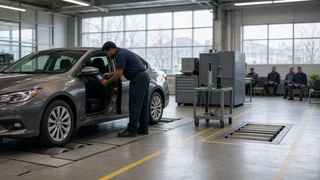
VT Inspection: How Vermont's Vehicle Inspection Works and What Has Changed
In a US vehicle context, "VT inspection" means the State of Vermont's periodic motor vehicle inspection. It is a mandatory roadworthiness check for vehicles registered in the state. It combines a safety inspection of equipment such as brakes, lights, steering and tires with an emissions test for eligible vehicles. A vehicle that passes receives an inspection sticker, which serves as its test certificate. A vehicle that fails must be repaired and go through a retest before it can legally display a valid sticker. This guide explains what the inspection covers, how it differs from inspection programs in other states, and what the recent VT inspection changes mean for owners. Exact fees, deadlines, exemptions and model-year cutoffs are set by Vermont law and the Department of Motor Vehicles and can be revised. Confirm current figures with the DMV or a licensed inspection station before you rely on them.
The short answer
Who it applies to: most vehicles registered in Vermont, including newly registered vehicles and vehicles brought in by new residents. How often: Vermont requires periodic inspection, generally annually for ordinary passenger vehicles. Where: licensed private inspection stations, typically repair shops and dealerships, not state-run test lanes. What is checked: safety equipment, vehicle identification, and an on-board diagnostics (OBD) emissions check for eligible vehicles. Result: a windshield sticker if the vehicle passes, or a rejection that lists the defects to repair before a retest.
What the safety inspection covers
The safety inspection asks whether the vehicle's critical systems work as intended and meet the state's inspection criteria. The inspector follows a standardized checklist and does not judge the vehicle by preference. The main areas usually include:
Brakes: service and parking brake function, pedal feel, visible wear, leaks and the condition of lines and hoses. Steering and suspension: excessive play, worn joints, damaged components and the condition of shocks or struts. Tires and wheels: tread depth, damage, and secure mounting. Lighting and signals: headlights, including aim and operation, tail and brake lights, turn signals, hazard lights and plate lights. Glass and visibility: windshield cracks or damage in the driver's view, wipers, washers and mirrors. Horn, seat belts and other required equipment. Exhaust system: leaks, damage and missing components. Body and frame: corrosion or damage severe enough to affect structural integrity or create hazards such as sharp edges or loose panels.
Structural rust gets particular attention. Vermont's winters and road-salt use make frame and brake-line corrosion a common reason older vehicles fail. Cosmetic rust is generally not the issue. Rust that weakens load-bearing parts, mounting points or brake and fuel lines is.
The emissions test
Vermont does not run a tailpipe-sniffer program like some states historically used. For eligible light-duty vehicles, typically those built with OBD-II systems, which became standard in the US in the mid-1990s, the emissions test is an electronic check of the vehicle's on-board diagnostics. The inspector connects to the diagnostic port and reads the system's status.
Check engine light: an illuminated malfunction indicator lamp with stored emissions-related fault codes is a common cause of failure. Readiness monitors: the OBD system runs self-tests on components such as the catalytic converter and evaporative system. If too many monitors show "not ready," the vehicle may be turned away until they complete. Communication: the station must be able to connect to and read the vehicle's computer.
Readiness monitors catch many owners off guard. Disconnecting the battery or clearing fault codes right before inspection resets the monitors. The car may then need a period of normal driving before it can be tested. Clearing a code does not fix the underlying fault, and the check usually reveals that the monitors were recently reset.
Eligibility for the emissions portion depends on factors such as model year, vehicle type, weight class and fuel type. Older vehicles, some heavy vehicles and certain other categories may be handled differently or exempt. Ask the DMV or your station which rules apply to your specific vehicle.
Part of inspection | What it evaluates | Typical reasons for failure; Safety inspection | Mechanical and equipment condition against state criteria | Worn brakes, rusted brake lines or frame, bad tires, inoperative lights, damaged windshield; Emissions test (OBD) | Status of the on-board emissions monitoring system | Check engine light on, emissions fault codes, readiness monitors not set; Vehicle identification | Whether the vehicle matches its registration records | VIN mismatch, missing or damaged VIN, plate or registration discrepancies
Vehicle identification
Each inspection includes vehicle identification. The inspector confirms that the vehicle identification number (VIN), plates and registration match the vehicle presented. Bring current registration and make sure the VIN plate, usually visible through the windshield on the driver's side, is legible. Vehicles coming from out of state may need a separate VIN verification step during registration, depending on the circumstances. The DMV can say whether yours does.
Passing, failing and the retest
If the vehicle passes, the station records the result and applies the sticker. The sticker shows when the next inspection is due and is the visible proof that the vehicle is currently certified.
If the vehicle fails, the station tells you which items did not meet the inspection criteria. You can have the repairs done at the inspecting station or elsewhere, then return for a retest. Stations set their own policies on retest timing and charges, and state rules may affect how a re-inspection is handled. Ask about both before you leave. Driving with an expired sticker can lead to a traffic ticket, so it is wise to schedule inspection with time to spare for repairs.
How Vermont differs from many other states
Comprehensive safety check: many US states have no periodic safety inspection at all, or require only an emissions test in certain counties. Vermont has a statewide safety inspection. Statewide OBD emissions check: in many states, emissions testing applies only in specific metro areas. Vermont integrates the OBD check into the regular inspection. Private-station model: inspections are done by licensed private businesses using state procedures, not at centralized state facilities. Rust sensitivity: the climate makes corrosion-related failures more prominent than in warmer, drier states.
VT inspection changes
The Vermont inspection program has been modernized in recent years. The biggest shift was the move to an automated, electronic inspection system. Stations now record inspection results digitally through state-approved equipment instead of relying mainly on paper records. The system guides inspectors through the checklist, connects to the vehicle's OBD port for the emissions test, and transmits results to the state.
For owners, the practical effects of the electronic system include:
More consistency: every station works from the same structured checklist and inspection criteria. Electronic records: results are reported to the state, which makes them easier to track and harder to falsify. Stricter OBD enforcement: automated diagnostic readings leave less room for interpretation on check engine lights and readiness status.
The legislature and DMV have also revisited specific rules over time, including how certain older vehicles are treated in the emissions portion and adjustments to inspection procedures. These details can change between legislative sessions. Check the DMV's current guidance rather than relying on older articles or word of mouth, especially if your vehicle is older or failed for an emissions-related reason in the past.
How to prepare
Check that all exterior lights, the horn, wipers and washers work. Look at tire tread and for obvious damage. If the check engine light is on, have the fault diagnosed and repaired before the inspection. Avoid clearing codes or disconnecting the battery just before your appointment, so readiness monitors are set. Replace a windshield with cracks or chips in the driver's line of sight if needed. On older vehicles, have a shop look underneath for brake-line and frame corrosion. Bring your current registration, and confirm the station's fee and retest policy in advance.
Bottom line
A VT inspection is Vermont's mandatory periodic certification that a registered vehicle is safe to drive and, where applicable, that its emissions controls are working. It combines a safety inspection, vehicle identification and an OBD-based emissions test at licensed private stations. Passing earns a sticker, and failing means repairs and a retest. The program now runs on an automated electronic system, and specific rules such as exemptions, model-year cutoffs and fees can change, so confirm current requirements with the Vermont DMV or your inspection station.