MVA Emissions Testing: What It Is and How It Differs From a Safety Inspection
The short answer
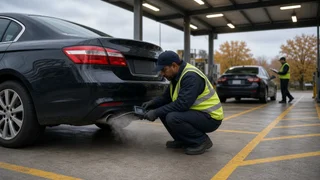
In the US, "MVA" most commonly refers to the Maryland Motor Vehicle Administration. MVA emissions testing refers to Maryland's Vehicle Emissions Inspection Program, usually shortened to VEIP. It is a recurring check of a registered vehicle's emissions-related systems, run by the state in cooperation with Maryland's environmental agency. Its purpose is to reduce air pollution from vehicles on the road, not to assess whether a car is mechanically safe to drive.
The most important qualification is that the requirement is not universal. Whether a vehicle must be tested depends on where it is registered within Maryland, its type and age, its fuel or powertrain, and any exemptions that apply. Owners whose vehicles are due are normally notified by mail, and that notice is the most reliable statement of what applies to a specific vehicle.
Emissions testing versus the Maryland safety inspection
Readers often confuse these two requirements because both are tied to keeping a vehicle legally on the road. They are separate programs with different triggers, different locations and different goals.
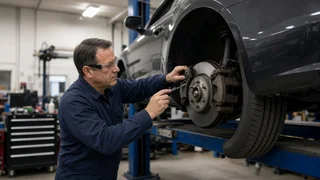
Aspect | Emissions test (VEIP) | Safety inspection; Purpose | Checks emissions-related systems to limit air pollution | Checks equipment such as brakes, lights, steering and tires for roadworthiness; When it applies | On a recurring cycle for eligible vehicles registered in covered areas | Generally when a used vehicle is titled or transferred, rather than on a routine cycle; Who performs it | State-run emissions program facilities | Licensed private inspection stations; How you find out | A test notice is typically mailed to the registered owner | Usually prompted by a purchase, title transfer or registration event
Passing one does not satisfy the other. A vehicle can be current on its emissions test and still need a safety inspection when it changes hands, and the reverse is also true.
What the test generally checks
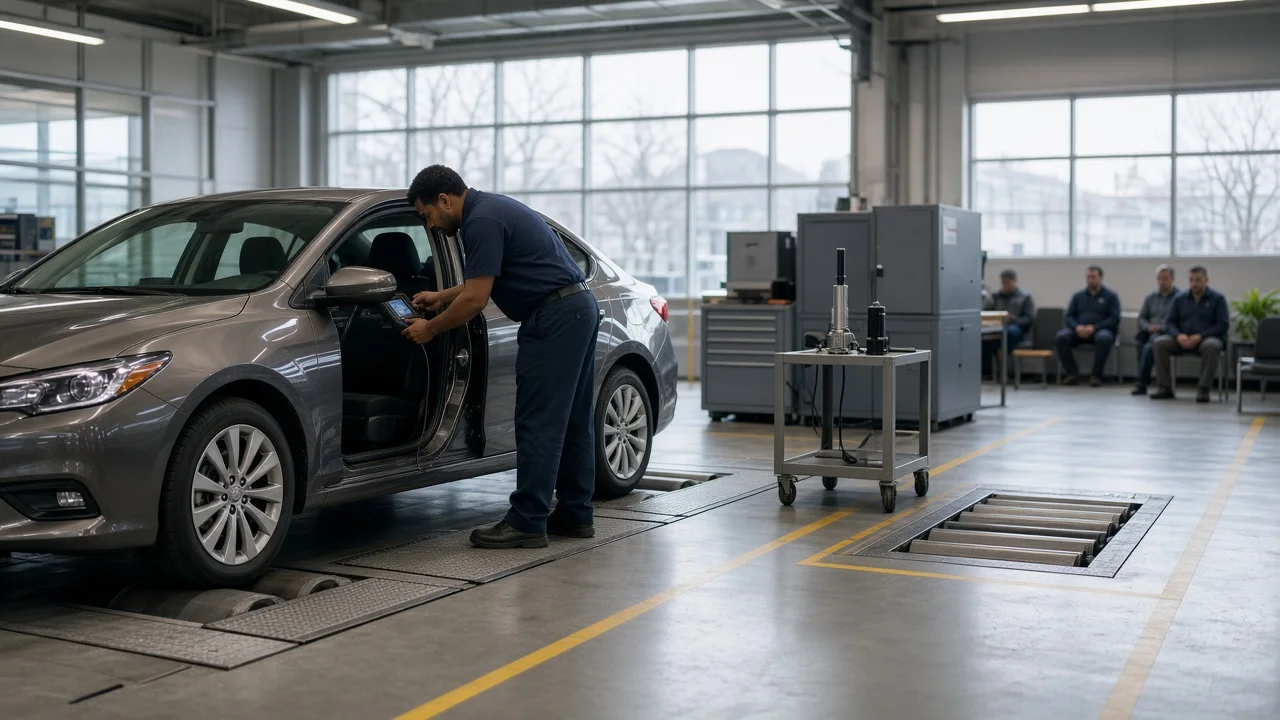
For most modern gasoline cars and light trucks, the test reads data from the vehicle's on-board diagnostics system, known as OBD-II. This is the same computer system that switches on the check engine light when it detects a fault in emissions-related components. In practice, a lit check engine light or recently cleared fault codes can prevent a vehicle from passing, because the system may report that its self-checks are incomplete.
Older vehicles that predate OBD-II, and some vehicle types, may be checked with different procedures. The method applied depends on the model year and vehicle category, so the details should be confirmed for the specific vehicle.
How the process typically works
Watch for the test notice mailed to the registered owner and note the deadline shown on it. Make sure any check engine light is resolved and the vehicle has been driven normally after any repairs before testing. Take the vehicle and the notice to an authorized emissions testing location. Self-service kiosks have been offered at some locations, so check which options are currently available. If the vehicle passes, the result is recorded with the state. If it fails, have it diagnosed and repaired, then retest. Maryland has provided waiver provisions in certain cases where qualifying repairs have been attempted, subject to conditions stated by the program.
What happens if you miss the deadline
Missing a required emissions test can lead to late fees and, if unresolved, may affect the vehicle's registration status. Because penalties and grace periods are set by the state and can change, rely on the current notice or the MVA for exact amounts and timelines.
Gaps in the available information
No confirmed figures were available for this overview. That means the testing fee, the length of the testing cycle, the model-year cutoffs, the counties covered, the exemption categories (for example, how new, electric, diesel or historic vehicles are treated), the waiver repair threshold and the late-fee amounts are not stated here. Verify each of these with the Maryland MVA or the official emissions program before scheduling a test.
Bottom line
MVA emissions testing is Maryland's recurring, pollution-focused check for eligible registered vehicles. It is separate from the safety inspection required on most used-vehicle transfers. Whether you must test, and by when, depends on your vehicle and where it is registered, and your mailed test notice is the best starting point.