Pennsylvania Vehicle Safety Inspection Requirements
The short answer
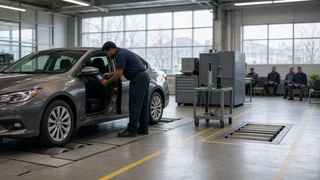
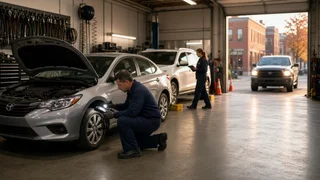
Pennsylvania requires most registered vehicles to pass a periodic safety inspection to stay legal on public roads. The inspection is performed at a privately operated service facility that the Pennsylvania Department of Transportation (PennDOT) has certified as an official inspection station, and it is carried out by a mechanic who holds state inspection certification. A vehicle that passes receives an inspection sticker, which is displayed on the vehicle as visible proof of compliance.
The purpose is roadworthiness, meaning the vehicle's condition meets minimum standards for safe operation. The inspection is not a valuation, a warranty check or a full mechanical diagnosis. It checks whether specific safety-related components meet state standards on the day of inspection.
What the inspection generally covers
A roadworthiness inspection focuses on systems whose failure could directly cause or worsen a crash. In general terms, these include:
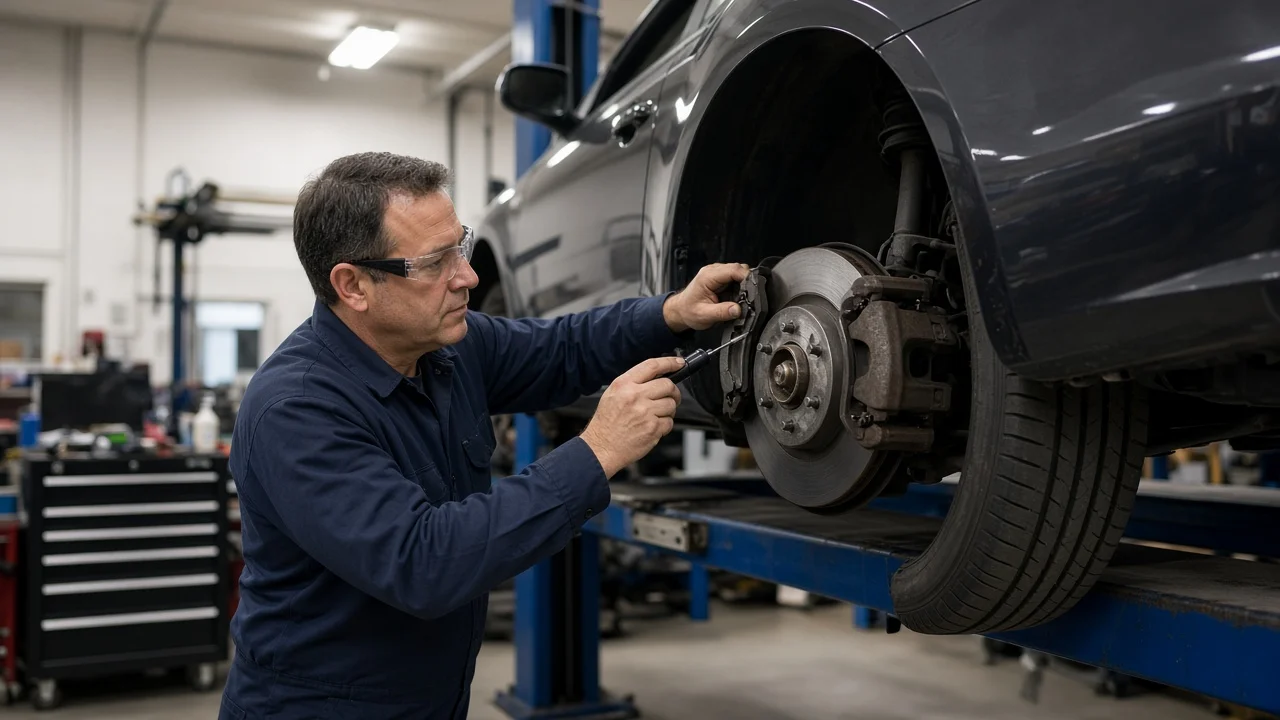
Brakes, including the parking brake; Steering and suspension components; Tires and wheels; Headlights, taillights, brake lights, turn signals and other required lamps; Horn and other warning devices; Windshield, windows, wipers and mirrors; Exhaust system integrity; Body condition where it affects safety, such as sharp edges or a compromised structure; Fuel system condition, such as leaks
This list describes the typical scope of a vehicle safety inspection. It is not a complete, official checklist. The exact items, pass and fail criteria, and measurement thresholds are set by Pennsylvania regulations and were not part of the information available for this article.
How safety inspection differs from emissions testing
Pennsylvania treats safety inspection and emissions inspection as separate requirements. The safety inspection applies statewide to vehicles subject to it. Emissions testing applies only in certain designated regions of the state. A vehicle registered in one of those areas may need both. A vehicle registered elsewhere may need only the safety inspection. Some stations are certified for one type of inspection and not the other, so it is worth confirming which services a station provides.
Qualifications that can change the answer
Whether and how the requirement applies depends on the vehicle and its registration. Vehicle class matters. Passenger cars, light trucks, motorcycles, trailers, commercial vehicles and school buses can be subject to different inspection rules or schedules. Specialty registrations, such as those for antique or collectible vehicles, may follow different requirements than standard registrations. The registration county determines whether emissions testing is added to the safety inspection.
Because these distinctions depend on the vehicle and its registration, owners should check the requirement for their own vehicle class and registration type. A general rule may not fit every vehicle.
Information gaps to confirm
The material available for this article did not include confirmed figures or dates. The following details should be verified directly with PennDOT or a certified inspection station before relying on them:
The inspection interval for your specific vehicle class; Inspection fees, which stations may set and which can vary; Any exemptions for new, antique, collectible or other specialty-registered vehicles; The official list of inspected items and the pass and fail criteria; Whether your registration county requires emissions testing; Penalties for driving with an expired or missing inspection sticker; Rules for vehicles newly brought into Pennsylvania from another state
Practical next step
To find out what applies to your vehicle, start with its class, its registration type and the county where it is registered. Then contact a PennDOT-certified inspection station or check PennDOT's official guidance to confirm the current schedule, cost and any emissions requirement. Checking simple items in advance can reduce the chance of an avoidable failure. These include bulbs, wiper blades, tire condition and dashboard warning lights.