Massachusetts RMV Vehicle Inspection Requirements: What They Are and Who They Apply To
If you register a vehicle in Massachusetts, it must pass a periodic state inspection to stay legally on the road. The program is overseen by the Registry of Motor Vehicles (RMV) together with the state's environmental agency. This guide explains what the requirement is, who it applies to, and where the answer depends on your vehicle or situation. It also notes which specifics, such as fees and deadlines, you should confirm with the RMV directly.
The Short Answer
Most vehicles registered in Massachusetts need a recurring inspection to remain road-legal. For typical passenger vehicles, it combines a safety check with an emissions check. A vehicle that has just been registered or transferred to a new owner must also be inspected within a limited period after registration. A passing vehicle gets an inspection sticker that shows its compliance status.
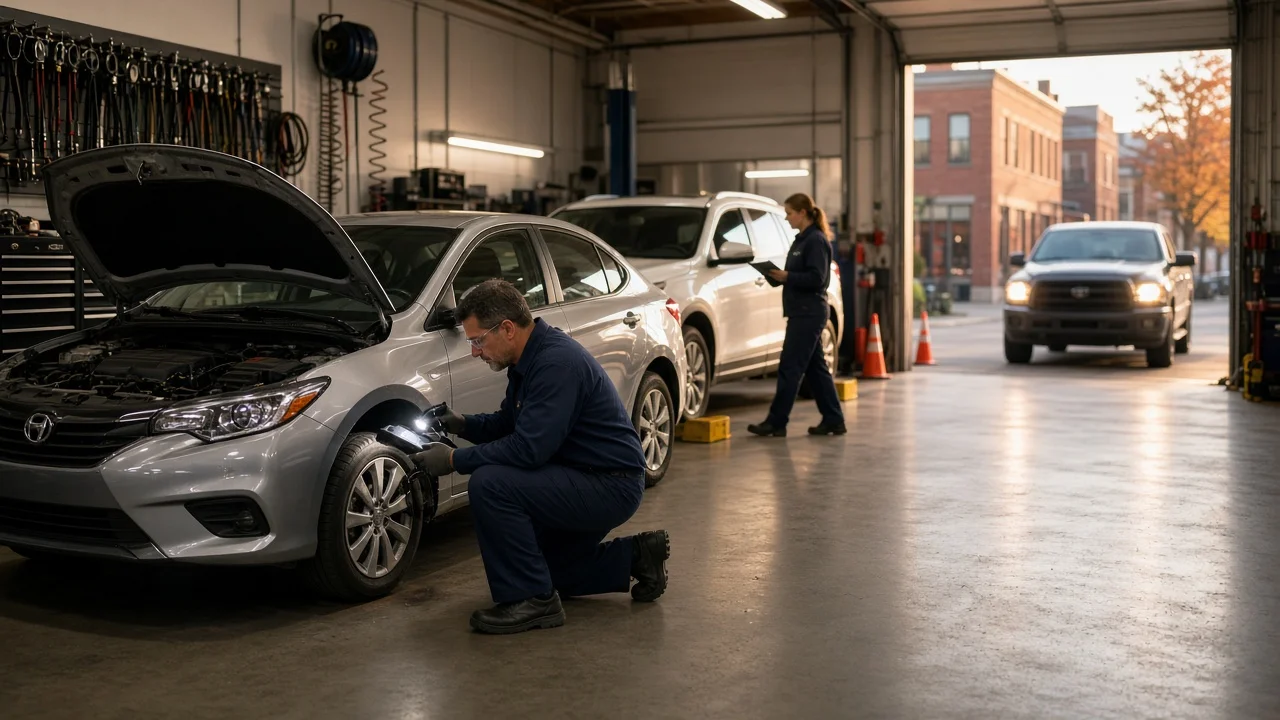
An important qualification is that the RMV sets and enforces the requirement, but it generally does not perform inspections at its own service centers. Inspections are carried out at licensed inspection stations, which are often repair shops, dealerships or service stations authorized under the state program.
What the Inspection Generally Covers
The inspection has two broad parts. Exactly what is checked depends on the vehicle's type, age and powertrain.
Safety inspection: a check of components that affect safe operation, such as brakes, steering, suspension, tires, lights, horn, wipers, mirrors, glass and exhaust system integrity. Emissions inspection: for vehicles subject to emissions testing, this typically reads the vehicle's on-board diagnostics (OBD) system, the computer that monitors engine and emissions components, to look for stored faults or incomplete self-tests rather than measuring tailpipe output directly. Older vehicles and some vehicle types may be handled differently or may be exempt from this part.
An illuminated check-engine light is a common cause of emissions failure on OBD-equipped vehicles, because it usually means the diagnostic system has recorded a fault.
How the Requirement Varies by Vehicle
The basic answer above covers ordinary passenger cars and light trucks. Other categories can follow different rules, so check the requirement for your specific vehicle class.
Passenger cars and light trucks: usually subject to both safety and emissions checks, depending on model year. Motorcycles: subject to inspection, but the content and schedule may differ from passenger cars. Commercial vehicles, trailers and heavier vehicles: may face different inspection standards or additional requirements. Electric vehicles: lack a combustion engine, so the emissions portion may not apply in the same way, though safety requirements still do. Very old, antique or specially registered vehicles: may have different rules or exemptions tied to their registration type.
Massachusetts Inspection Compared With Other States
Inspection rules vary widely across the United States. Some states require no periodic inspection, some test emissions only in certain counties, and some require safety and emissions checks statewide. Massachusetts is among the states that require recurring inspection for most registered vehicles across the state. Drivers moving in from a state without inspection should expect this as a new step after registering.
What Happens If a Vehicle Fails
A vehicle that fails is not certified until the defect is corrected and it passes a re-inspection. The station should identify the reason for failure. Driving with an expired or rejected inspection status can lead to enforcement consequences. The exact repair window, re-test terms and penalties should be confirmed with the RMV.
Details to Confirm Before Your Inspection
The material available for this guide did not include confirmed figures for fees, deadlines or penalties, so none are stated here. Before you go, check these with the RMV or a licensed inspection station:
The current inspection fee. The deadline for inspecting a newly registered or newly purchased vehicle. How often the inspection must be repeated for your vehicle type. Which model years and powertrains are subject to emissions testing. The time allowed for repairs and re-inspection after a failure, and whether re-tests cost extra. Any exemptions or alternate rules for your registration class.
Bottom Line
Most vehicles registered in Massachusetts need recurring inspection to stay legal, and newly registered vehicles must be inspected soon after registration. The RMV sets and enforces the rules, while licensed private stations do the inspections. Typical passenger vehicles receive both safety and emissions checks. Because coverage, schedules and costs depend on the vehicle type and current regulations, confirm the specifics for your vehicle with the RMV before booking an inspection.