PennDOT Inspection Station List: How to Find a Certified Inspection Station in Pennsylvania
If you are looking for a PennDOT inspection station list, you need one practical detail first. PennDOT does not inspect vehicles at its own offices. Pennsylvania safety and emissions inspections are done by privately owned businesses that PennDOT certifies, such as repair garages, service stations and dealerships. A station list or locator is a directory of those certified businesses. It is not a list of government-run testing lanes.
What the PennDOT Inspection Station List Is
PennDOT keeps a searchable directory of certified inspection stations on its Driver and Vehicle Services website. You can usually search by county, city or ZIP code and filter by the kind of inspection you need. Results show participating businesses, not state facilities. Station details can change as businesses open, close or lose certification. Check a station's current status before you visit.
The main difference between stations is what they are certified to do. A business may be certified for safety inspection only, for emissions testing only, or for both. Some stations are also certified for specific vehicle types, such as motorcycles, trailers or heavier vehicles. A general repair shop may not handle all of these.
Safety Inspection vs. Emissions Test
Pennsylvania has two separate programs. They are often done in the same visit but answer different questions. Whether you need an emissions test depends mainly on the county where the vehicle is registered.
Aspect | Safety inspection | Emissions test; Purpose | Confirms the vehicle meets state equipment and roadworthiness standards | Confirms the vehicle meets air-quality requirements; Where required | Statewide for most registered vehicles | Only in designated counties, mostly in and around larger metropolitan regions; Typical frequency | Generally annual for most passenger vehicles | Usually on the same cycle as safety inspection where required; What is checked | Brakes, tires, lights, steering, suspension, glass, wipers, horn, exhaust integrity and similar items | Depends on vehicle age and type; newer vehicles are commonly checked through the onboard diagnostic system; Proof of passing | Inspection sticker displayed on the vehicle | Emissions sticker or record, depending on the program
County requirements and test methods can change. If you are unsure whether your county needs emissions testing, check PennDOT's current program information or ask a certified station in your area.
How to Use the Station Locator Effectively
Search by the county or ZIP code where you will take the vehicle. This does not have to be where you live. Choose the inspection type you need: safety, emissions, or both. This avoids a wasted trip. Confirm the station handles your vehicle category if you drive something other than a standard passenger car or light truck. Call ahead to check hours and appointment availability. Many shops schedule inspections around repair work. Ask about the price before the appointment. Inspection fees are not uniform across Pennsylvania and vary by station.
What to Bring to the Inspection
Stations check vehicle identification and documentation before the inspection begins. Bring your current vehicle registration card and valid proof of insurance for the vehicle being inspected. The inspector will match the vehicle identification number (VIN) on the vehicle against your paperwork. A mismatch or missing document can stop the inspection before any testing starts.
Inspection Criteria in General Terms
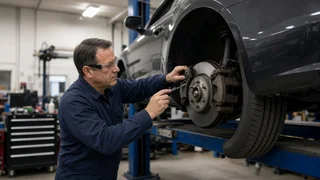
Pennsylvania sets the inspection criteria in state regulations, and certified inspectors must apply them consistently. The safety portion covers components that affect control and visibility. These include braking performance and wear, tire condition and tread depth, all required lamps and signals, steering and suspension play, windshield condition and wiper function, mirrors, the horn, and the exhaust system for leaks.
Where emissions testing applies, the method depends on the vehicle's age and design. For most modern vehicles, the station connects to the onboard diagnostic port. It checks for stored fault codes and confirms the emissions monitors have completed their self-tests. An illuminated check-engine light is a common reason a vehicle fails this check.
If Your Vehicle Fails: Repairs and Retest
A failed inspection means specific items did not meet the standard. The station should tell you what failed. You can have the repairs done at the inspecting station or somewhere else, and then bring the vehicle back for a retest. Retest terms, including any time window or reduced fee, depend on the program and the station's policy. Ask about them when you receive the results.
For emissions failures, recent battery disconnection or a repair can clear the diagnostic monitors. The vehicle may then need normal driving before it is ready to retest. Retesting too soon can produce another failure even after a successful repair.
The Test Certificate and Sticker
When a vehicle passes, the station issues the inspection sticker. This is the visible test certificate for that inspection period. It shows when the next inspection is due. The station also records the result. Driving with an expired sticker can lead to a citation, so note the expiration month and book your next inspection ahead of time.
Choosing Among Stations on the List
Every certified station applies the same state inspection criteria. The practical differences are convenience, price, scheduling and how repairs are handled. Some drivers prefer a shop that inspects only and refers repairs elsewhere. Others prefer a full-service garage so repairs and the retest happen in one place. In either case, you can ask for a written list of failed items and decide for yourself where the repairs are done.