Maryland MVA Inspection Appointments: What to Book, Where, and Why
People searching for an MVA inspection in Maryland usually need one of two different things: a safety inspection before registering or transferring a vehicle, or a periodic emissions test. The Maryland Motor Vehicle Administration (MVA) oversees registration and titling, but it does not perform routine safety inspections at its branch offices. Knowing which inspection you need determines whether you book an appointment, where you book it, and who you contact.
The Short Answer
You generally cannot book a safety inspection appointment with the MVA itself. Maryland safety inspections are performed by privately operated inspection stations, such as repair shops and dealerships, that are licensed by the state. Scheduling, availability and pricing are set by each station, so you arrange the appointment directly with the shop you choose.
Emissions testing is a separate requirement handled through the Vehicle Emissions Inspection Program (VEIP), which the MVA administers. VEIP testing applies to many vehicles registered in designated parts of the state and follows its own schedule and notice process. The MVA's appointment system is mainly for branch services such as titling and registration transactions, which may follow a completed inspection.
Two Different Inspections
Inspection type | Purpose | Who performs it | How appointments typically work; Safety inspection | Confirms the vehicle meets state equipment and safety standards, usually when ownership changes or a vehicle is brought into Maryland | Licensed private inspection stations | Contact the station directly; policies vary by shop; Emissions test (VEIP) | Checks emissions-related systems on a recurring cycle for applicable vehicles | VEIP testing facilities and, where available, self-service options | Follow the instructions on your test notice; procedures can differ from safety inspections; Special inspections (for example, rebuilt or salvage-branded vehicles) | Verifies a previously damaged vehicle before it returns to the road | State-designated authorities rather than ordinary shops | Follow the specific process the issuing authority requires
When a Safety Inspection Is Required
A Maryland safety inspection is most commonly triggered by a change in the registered owner, such as buying a used car from a private seller, or by bringing a vehicle registered in another state into Maryland. It is not an annual requirement for most passenger vehicles. Some transfers, such as certain transfers between family members or new vehicles sold by a dealer, may be treated differently, so check how your situation is classified before scheduling.
The inspection certificate is only valid for a limited time after it is issued. Plan the inspection close to when you intend to complete the title and registration paperwork, so the certificate does not expire before you submit it.
How to Book a Safety Inspection Appointment
Find a licensed inspection station near you; many general repair shops and dealer service departments are licensed. Call or use the station's own booking method to ask about availability, the inspection fee and how long the vehicle needs to stay. Ask how the shop handles failed items, including whether it offers a reinspection and whether repairs must be done there. Bring the vehicle, a valid ID and any ownership documents the station requests. Keep the inspection certificate with your application documents for the MVA transaction.
Because each station sets its own policies, appointment lead times and fees vary. Compare a few shops before booking, especially if you need the inspection completed quickly.
What the Inspection Covers
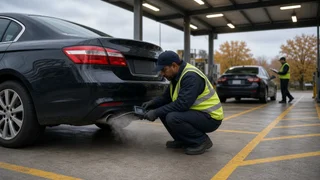
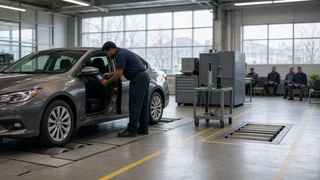
A Maryland safety inspection reviews the components that affect safe operation. Inspectors typically check braking, steering and suspension, tires and wheels, lights and signals, the exhaust system, glazing such as windshield condition, mirrors and other required equipment. The inspector also confirms the vehicle identification number (VIN) matches the paperwork, so the VIN on the vehicle should be legible and consistent with the title.
If the vehicle fails, the station will list the items that need correction. Older vehicles, vehicles with aftermarket modifications and cars with worn tires or cracked windshields are more likely to need repairs, so a pre-inspection check by your own mechanic can reduce surprises.
Emissions Testing and VEIP Notices
If your vehicle is subject to emissions testing, the MVA issues a notice indicating when the test is due. The notice explains where and how to complete the test, and whether any options beyond in-person testing are available for your vehicle. Exemptions and eligibility depend on factors such as vehicle type, age, fuel type and where the vehicle is registered, so rely on the notice tied to your registration record rather than general assumptions.
Missing an emissions test deadline can affect your ability to renew registration, so check the due date as soon as the notice arrives.
When You Actually Need an MVA Appointment
The MVA appointment process applies to the administrative step that usually follows a safety inspection: titling the vehicle, registering it or transferring plates. Some of these transactions can be completed online, by mail or through licensed tag-and-title services, while others require a branch visit. Check which option fits your transaction before booking a branch appointment.
Valid inspection certificate, if a safety inspection was required; The vehicle title, properly signed over by the previous owner; Proof of Maryland insurance; Identification for the applicant; Any bill of sale, lien release or other application documents relevant to the transaction
Exact document requirements can change and depend on the transaction type. Confirm the current list with the issuing authority before your visit so you do not need a second appointment.
Common Mistakes to Avoid
Trying to book a safety inspection at an MVA branch instead of a licensed station. Confusing a VEIP emissions notice with a safety inspection requirement; they are separate. Letting the safety inspection certificate expire before completing the title transfer. Arriving at the MVA without the certificate or a properly completed title. Ignoring an open issue in the vehicle's record status, such as an unresolved lien or a flag, that can delay registration.
Bottom Line
For a Maryland safety inspection, book with a licensed private station, not the MVA. For emissions testing, follow your VEIP notice. Use the MVA's appointment system only for the titling or registration step that follows, and bring a valid certificate and complete paperwork to finish the process in one visit.