Maryland MVA Smoke Inspection: What the Term Usually Means
The short answer
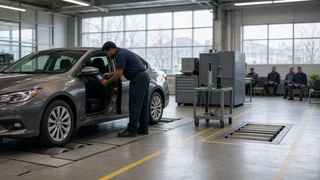
Maryland's Motor Vehicle Administration (MVA) does not use "smoke inspection" as a formal program name. Drivers usually mean the vehicle emissions test, which runs under the state's Vehicle Emissions Inspection Program, known as VEIP. The test checks whether a vehicle's emissions-control systems are working. It is not a safety inspection, although many people refer to it informally as a smoke test.
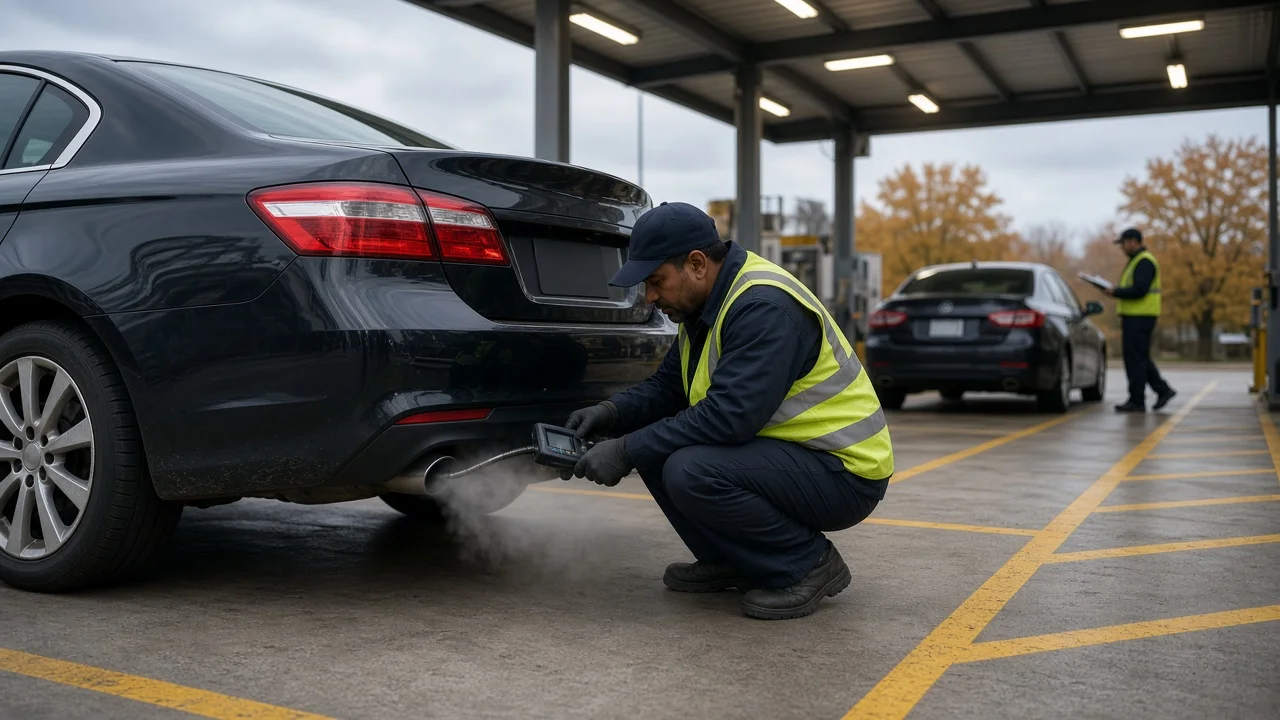
One qualification matters. Smoke testing in the literal sense, which means measuring visible exhaust, is mainly associated with diesel vehicles and especially heavier commercial ones. Whether a particular diesel vehicle gets that kind of test depends on its weight class, model year and use. The supplied material does not confirm those criteria, so diesel owners should check their vehicle's requirements directly with the MVA.
How the emissions inspection differs from the safety inspection
Maryland has two separate checks, and they are often confused:
Emissions inspection (VEIP): administered through the MVA and repeated on a recurring schedule for vehicles that are subject to it. Most newer gasoline vehicles are tested by connecting to the on-board diagnostics port (OBD-II), a standardized connector that reports emissions-related fault data. The test does not rely on measuring visible smoke. Safety inspection: carried out at licensed private inspection stations rather than at MVA emissions facilities. It covers mechanical and equipment condition, such as brakes, lights, steering and the exhaust system. It is generally tied to events such as a change of ownership, not to a recurring schedule.
A notice to complete an emissions test does not mean the vehicle needs a safety inspection, and passing one inspection does not satisfy the other.
Who it applies to
Emissions testing in Maryland depends on where the vehicle is registered and what kind of vehicle it is. Not every county or vehicle type is included. Some categories, such as certain new, older or specially classified vehicles, may be exempt. Owners who are due for a test are normally notified by the MVA.
Information to confirm with the MVA
No verified figures were available for this article. Before your test, check the following directly with the MVA:
Which counties and vehicle model years are currently included in or exempt from emissions testing; The testing interval and the deadline shown on your notice; Any inspection fee and the late fees or registration consequences for missing the deadline; Whether a diesel or heavy-duty vehicle gets an OBD-based test, an exhaust-opacity (smoke) test, or neither; Station locations, self-service kiosk options and opening hours; Waiver or repair-cost provisions if a vehicle fails
Practical takeaway
If you got an MVA notice about a "smoke" or emissions test, it almost certainly refers to the VEIP emissions inspection. This is separate from the safety inspection done at private stations. Your notice and the MVA's current guidance are the authoritative sources for deadlines, fees and eligibility. Diesel owners in particular should confirm which test method applies to their vehicle.