Vehicle Accelerator Pedal
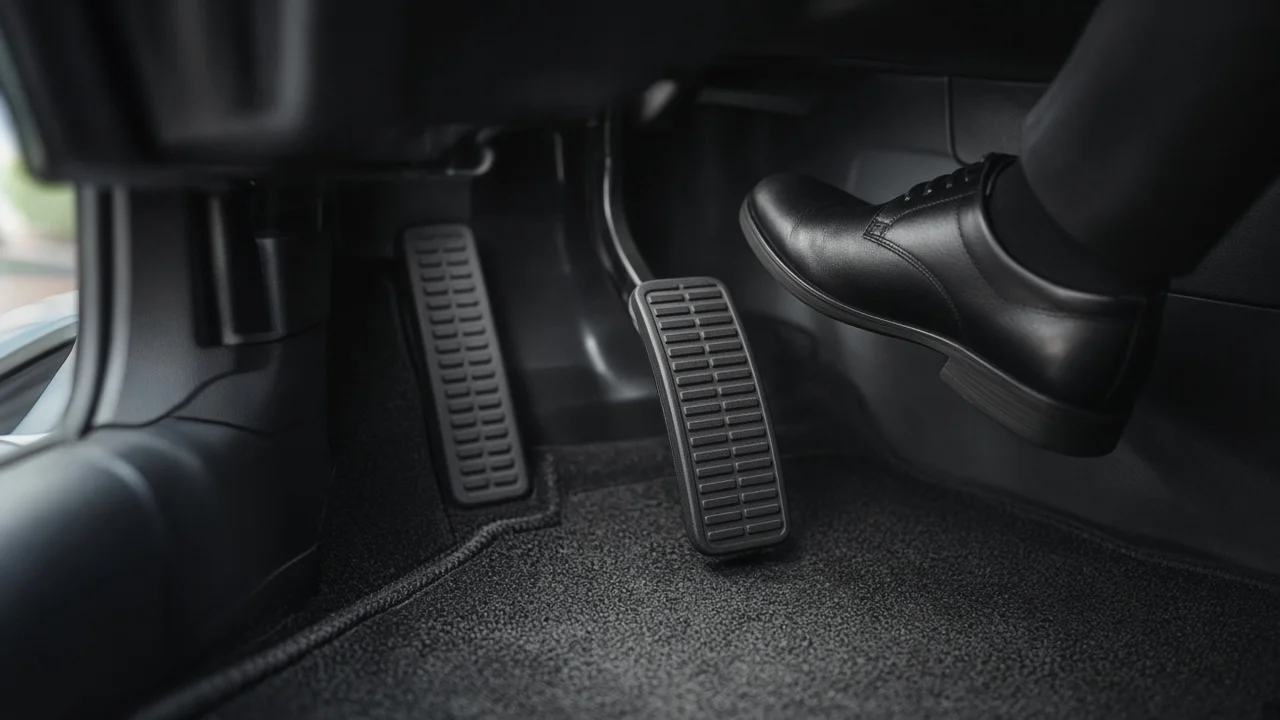
A vehicle accelerator pedal translates a driver's foot position into a throttle command. On older vehicles, a cable linked the pedal to the throttle plate. Most modern cars and trucks use an electronic sensor and module to interpret pedal travel, then adjust engine operating mode accordingly. The cluster "vehicle accelerator" covers both mechanical and electronic systems. Understanding this component helps explain acceleration feel, response delays, and why the accelerator behaves differently from the brake pedal or parking brake during ordinary driving.
Essential answer
The accelerator pedal is the primary driver control for requesting engine power. Pressing it increases pedal travel and signals the engine management system to open the throttle. In a conventional cable setup, physical movement pulls the throttle plate directly. In an electronic throttle system, a sensor measures pedal position and sends a throttle command to the engine computer, which moves the throttle motor. In both designs, releasing the pedal reduces commanded acceleration.
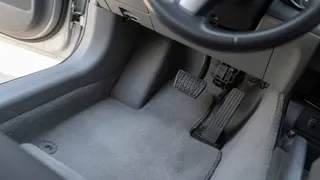
The accelerator interacts with other driving controls on the floor, including the brake pedal and parking brake, but its function is distinct. It does not slow the vehicle. The instrument panel may warn when an accelerator-related circuit produces a fault. Because accelerator position is a request rather than a guaranteed engine response, traction and stability logic can modify the final command. This distinction matters when diagnosing hesitation, idle return, or unintended throttle behavior.