Valvoline MaxLife Multi-Vehicle antifreeze coolant
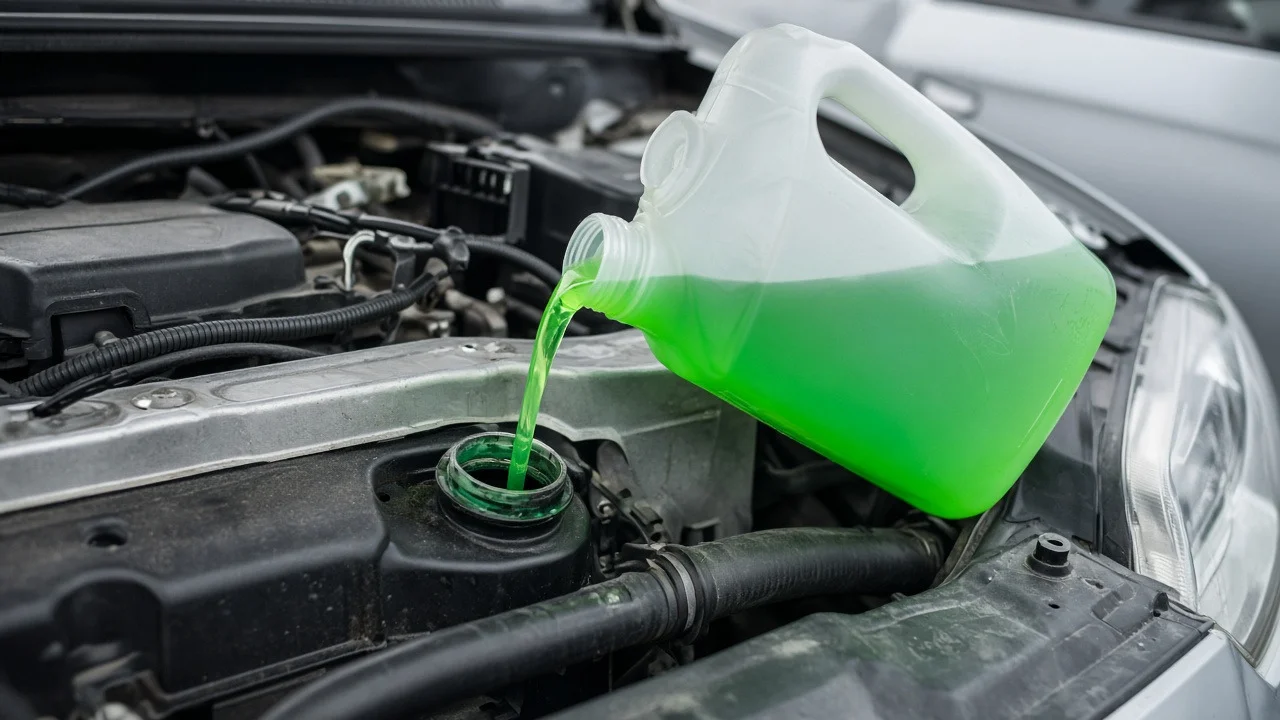
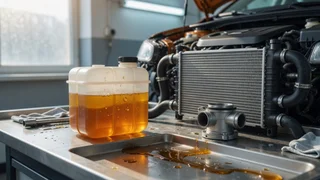
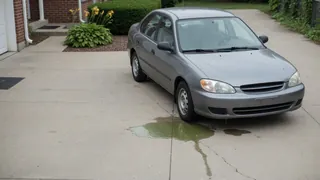
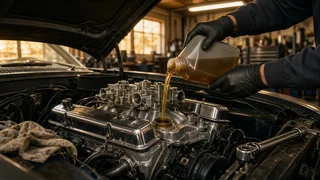
Choosing the right antifreeze coolant matters because the cooling circuit is sensitive to chemistry, concentration, and compatibility. Valvoline MaxLife Multi-Vehicle antifreeze coolant is formulated to work across many vehicle makes, but that broad fit still requires checking your owner’s manual and coolant specification before purchase. A wrong choice can affect the radiator, heater core, thermostat, and water pump, so the practical task is matching the product’s stated protection to the materials and service needs of your specific cooling system.
The direct answer
Valvoline MaxLife Multi-Vehicle antifreeze coolant is designed as a broad-coverage formula for mixed-fleet and multi-vehicle households. It is typically marketed as a long-life, ready-to-use or concentrated coolant that works with common automotive cooling systems, but compatibility is not universal. The decisive condition is your vehicle’s required coolant specification. If the manual or underhood label calls for a specific OEM chemistry, that requirement overrides a general multi-vehicle claim, especially where silicate, phosphate, or organic acid corrosion inhibitors are restricted by the manufacturer.
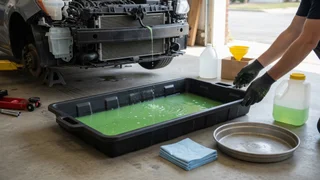
Before buying, confirm the coolant concentration you actually need. A 50/50 mix is common for most climates, but a pre-diluted jug should not be topped with untreated water unless you understand the resulting freeze and boil protection. Also inspect the pressure cap, radiator, and overflow reservoir for air pockets or leaks after filling, because trapped air can create false temperature readings and reduce circulation. Selecting the product is only part of the job; preparing the cooling circuit correctly determines whether the new fill protects as intended.