Valvoline MaxLife Multi-Vehicle Antifreeze Coolant: Is It Right for Your Car?
The short answer
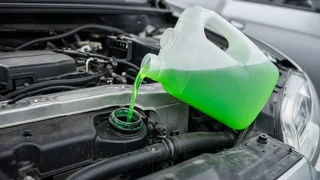
Valvoline MaxLife Multi-Vehicle antifreeze coolant is a universal-style coolant, meaning it is sold for use across many makes and models rather than one brand. For many cars, light trucks and SUVs it can be a reasonable choice for topping off or refilling the cooling system. The condition that changes this answer is your vehicle's own coolant requirement. If your owner's manual calls for a specific manufacturer specification, confirm that the exact Valvoline bottle you are buying lists that specification or states that it meets it. If it does not, the manufacturer's specified coolant is the safer choice, especially while the vehicle is under warranty.
What "multi-vehicle" means in practice
Coolant, also called antifreeze, is a mix of glycol and corrosion-inhibiting additives. The glycol lowers the freezing point and raises the boiling point of the water in your cooling system. The additive package protects metals, gaskets and seals from corrosion. Carmakers use different additive chemistries. The common families are IAT (inorganic additive technology, the older green type), OAT (organic acid technology) and HOAT (hybrid organic acid technology, which combines both). Within these families, manufacturers often write their own specifications.
A multi-vehicle coolant is formulated and marketed to be compatible with a wide range of these systems and to mix with the coolant already in the engine. That broad compatibility is the main reason people choose it. It saves you from tracking down a brand-specific coolant for a top-off. It does not automatically mean the product carries every carmaker's formal approval.
What to check before you buy
Owner's manual: Find the coolant type or specification your vehicle requires. It is often listed in the maintenance or specifications section, and sometimes on the coolant reservoir cap or a label under the hood. Bottle label: Look for the specifications, approvals or "meets the requirements of" statements printed on the specific Valvoline product. Compare them to your manual. Concentrate or prediluted: Coolant is commonly sold as full-strength concentrate or as a ready-to-use 50/50 mix with water. Check which version you are picking up. Warranty and service plans: If the vehicle is under a new-car or extended warranty, keep receipts and confirm that using a non-factory coolant will not create a dispute. Current condition of the system: If the existing coolant is discolored, sludgy or of unknown type, a flush and refill is generally a better plan than topping off.
Concentrate versus 50/50 prediluted
Concentrate has to be mixed with water before or as it goes into the system. Follow the ratio printed on the bottle and use distilled or deionized water rather than tap water, because minerals in tap water can leave deposits. The prediluted version is already mixed and can go straight in. It is usually the simpler option for a top-off. Do not add straight concentrate to a system that is already full of mixed coolant unless the label tells you to, because that shifts the ratio away from what the system was designed for.
Mixing with the coolant already in your car
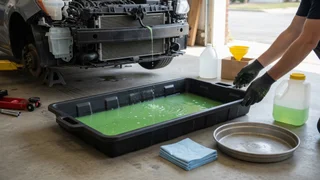
Universal coolants are generally marketed as safe to mix with other coolant types, and color is not a reliable guide to chemistry. Even so, mixing chemistries dilutes the additive package of each. For an occasional top-off this is commonly accepted. For a full replacement, draining or flushing the old coolant and refilling with a single product gives you a known mix and a clear basis for the next service interval.
When a different coolant may be the better choice
Your manual specifies a manufacturer coolant and the Valvoline label does not list that specification. The vehicle is under warranty and the dealer or warranty terms require factory-specified fluid. The vehicle is a hybrid, electric vehicle or other model with a separate battery or electronics cooling loop. Those circuits can have their own fluid requirements that differ from the engine coolant. The vehicle uses a heavy-duty diesel engine that calls for a heavy-duty coolant specification.
Gaps to verify on the product itself
No product data sheet, label text or test results were available for this article. The exact additive chemistry, the listed manufacturer specifications, the claimed service life or mileage interval, the freeze and boil protection figures, the available sizes and the price all need to be confirmed from the current packaging or Valvoline's product documentation. Formulations and labeling can change over time and can differ between markets, so check the bottle you actually buy against your vehicle's requirement for its model year, engine and region.
Safety reminder
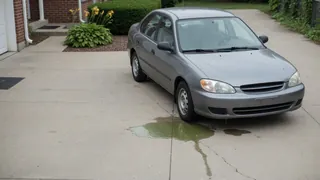
Open the radiator or reservoir cap only when the engine is cool. A hot cooling system is pressurized and can spray scalding coolant. Ethylene glycol coolant is toxic to people and pets and can taste sweet, so wipe up spills, store containers sealed and out of reach, and dispose of old coolant through a facility that accepts automotive fluids.