Prestone AF2000 engine coolant
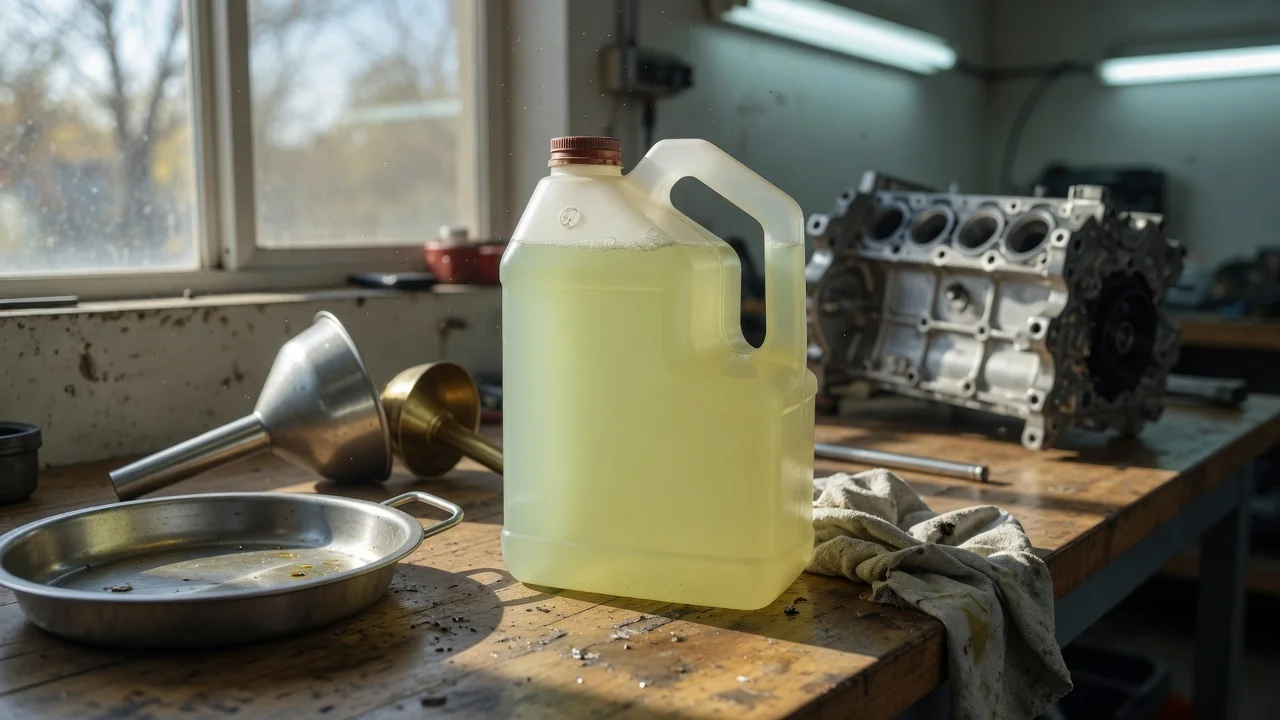
What Prestone AF2000 is
Prestone AF2000 is a Prestone-brand engine coolant and antifreeze. It is intended for the vehicle cooling system, where it helps provide freeze protection, boil-over protection and corrosion control. Whether it is the right product for a given vehicle depends on a matching pair of facts: the chemistry and dilution printed on that bottle, and the coolant specification in the owner’s manual for that model year, market, trim and powertrain. If those match, AF2000 can be a suitable fill or top-up. If they differ, use a coolant that meets the vehicle maker’s stated specification.
What the cooling system needs from a coolant
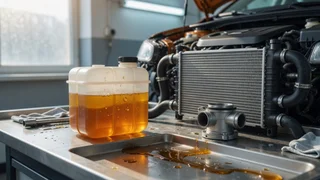
Engine coolant is a mix of glycol (usually ethylene glycol) and inhibitors in water. The glycol raises the boiling point and lowers the freezing point of the mix. The inhibitors protect aluminium, iron, solder and other metals in the radiator, heater core, water pump and engine. Colour is a dye, not a reliable chemistry identifier. The useful match is the additive technology and any OEM or industry specification printed on the pack, read against the same language in the manual.
Common inhibitor families include conventional inorganic additive technology (IAT), organic acid technology (OAT), hybrid OAT (HOAT) and silicate-containing or phosphate-containing variants used by particular makers. Mixing families can weaken corrosion protection or form gel and scale. Treat “universal” or “all makes” wording on a bottle as a manufacturer claim to verify against your vehicle’s spec, not as a substitute for that spec.
How to decide if AF2000 fits your vehicle
Start with the owner’s manual or under-hood coolant label for that exact vehicle. Note the required specification, any named product type, and whether the factory fill is a concentrate to be mixed or a ready-to-use 50/50 mix. Then read the AF2000 bottle for the same points. The product is a suitable next step only when the bottle’s stated chemistry, specification and dilution line up with that vehicle.
Check On the AF2000 pack In the vehicle documents; Chemistry or spec Additive type and any listed OEM or industry spec Required coolant spec for that model year, market, trim and engine; Dilution Concentrate or prediluted / 50/50 Whether the system is filled with mixed coolant or needs mixing at service; Use case Engine coolant / antifreeze; any listed limits (passenger car, heavy-duty, and so on) Vehicle class and cooling-system notes; Top-up versus full change Compatibility language for topping up an existing fill Whether the system still contains factory coolant or has already been converted
Specific inhibitor chemistry, colour, freeze and boil ratings, service life, and OEM approval lists for AF2000 are not confirmed here. Those values live on the current bottle and safety data sheet. If the pack in front of you does not name a spec your manual requires, choose a coolant that does.
Concentrate versus prediluted mix
Read the front label before pouring. A concentrate is mixed with water before or as it is added; a prediluted 50/50 product is already mixed and is used as-is for top-up or refill. Using concentrate straight will over-concentrate the system and can reduce freeze protection and heat transfer. Using a 50/50 product as if it were concentrate will under-protect the system. For mixing concentrate, follow the ratio on that bottle, and use distilled or demineralised water when the label calls for it so minerals in tap water do not load the inhibitors.
Topping up, mixing and changing type
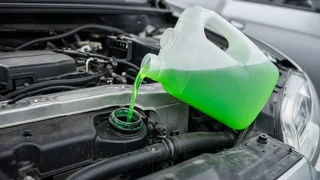
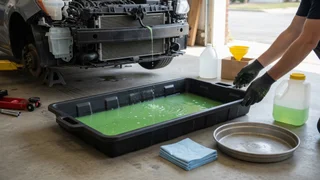
For a small top-up, match the coolant already in the system when that fill is known and still within the vehicle maker’s spec. If the existing coolant type is unknown, or if you are moving from one inhibitor family to another, a drain and flush is the controlled way to change. Residual old coolant can contaminate a new chemistry. After a full change, refill to the reservoir mark with the correct mix, run the engine to operating temperature with the heater on so air can purge, then recheck the level when the system is cool.
Work on a cool engine. The cooling system is pressurised when hot, and opening the cap can release scalding fluid. Dispose of used coolant as hazardous waste; glycol is toxic to people and animals.
Practical next step
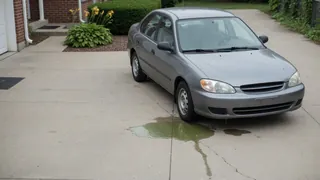
Read the coolant specification for your model year, market, trim and powertrain in the owner’s manual or on the under-hood label. Read the AF2000 bottle for chemistry or spec, concentrate versus 50/50, and any listed vehicle limits. Use AF2000 when those two descriptions match; otherwise select a coolant that names the required spec. For a type change, plan a drain and flush rather than mixing into an unknown fill. If freeze protection, overheating, contamination or unexplained coolant loss is the issue, have the system pressure-tested and the mix strength checked rather than only adding more coolant.