USAA Trailer Insurance: What to Check Before You Buy
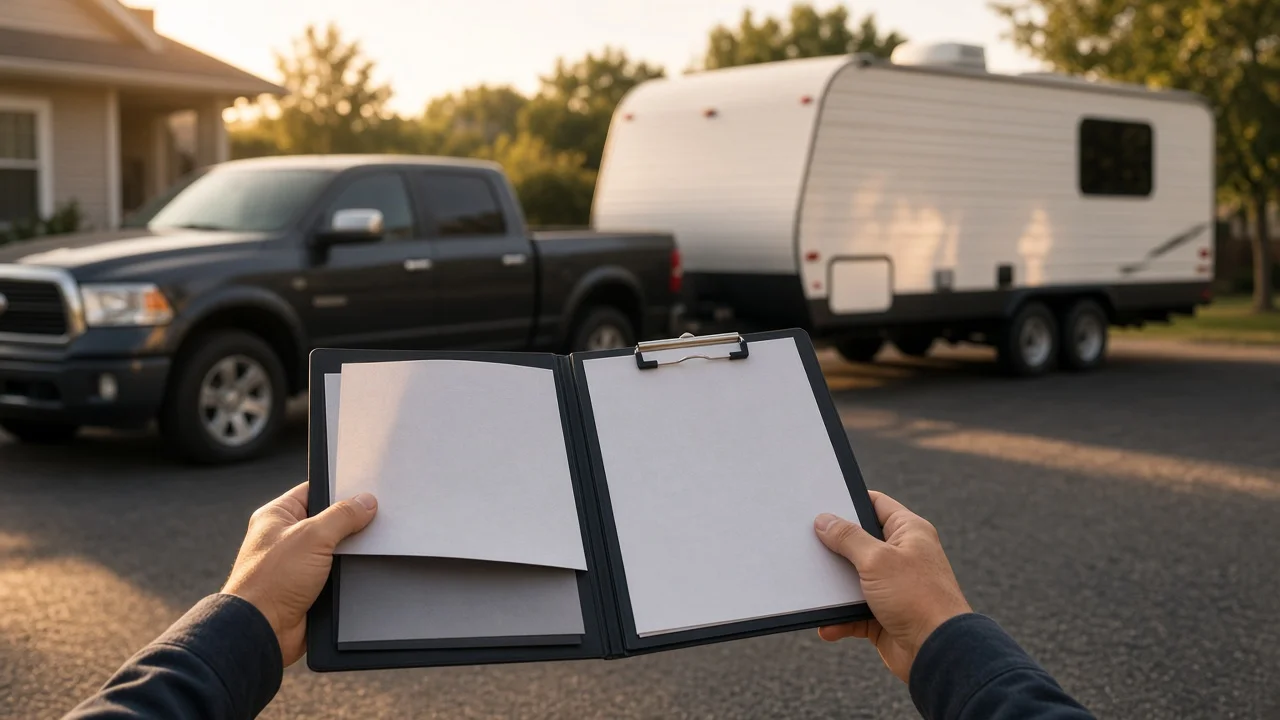
Short answer: whether USAA can insure your trailer, and how, depends on three things. These are whether you are eligible for USAA membership, what kind of trailer you own, and how you use it. No confirmed details about USAA's current trailer products, prices or policy terms were available for this article. Treat the points below as a checklist for your quote conversation, not a statement of what USAA offers.
Eligibility comes first
USAA sells insurance to military members, veterans and certain eligible family members. If you do not meet its membership rules, you cannot buy trailer coverage there at all. In that case, compare other insurers. If you are eligible, the next question is whether your trailer is covered through your auto policy or needs separate coverage.
How trailer coverage generally works
Across the US insurance market, trailer coverage usually splits into two parts. Liability coverage pays for damage or injury you cause to others. Physical damage coverage pays to repair or replace your own trailer.
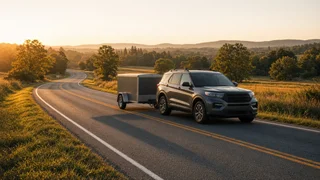
Many personal auto policies extend some liability protection to a trailer while it is attached to an insured vehicle. That extension often does not pay for damage to the trailer itself. It may also not apply when the trailer is unhitched, parked or stored. To protect the trailer's own value, you usually need to list it on a policy and add collision and comprehensive coverage. Collision covers crash damage. Comprehensive covers events such as theft, fire, weather and vandalism. Whether a USAA policy follows this pattern, and with which limits, needs to be confirmed in the policy wording.
Trailer type and use change the answer
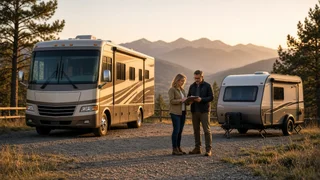
Insurers often treat trailers differently by category, so identify yours before asking for a quote. A small utility or cargo trailer is often handled differently from a travel trailer or camper you sleep in. A camper may fall under recreational vehicle coverage instead, with options for contents and personal belongings. Boat trailers may be covered through a boat or watercraft policy rather than an auto policy. Horse and livestock trailers can raise their own questions about the animals and equipment inside. A trailer used for a business, or for hauling goods for pay, may need commercial coverage, because personal policies commonly exclude business use.
Coverage questions to confirm
Coverage area | What to confirm; Liability while towing | Whether the towing vehicle's policy extends to the trailer, and at what limits; Liability while unhitched | Whether coverage applies when the trailer is parked, stored or detached; Collision | Whether the trailer itself is covered in a crash, and the deductible; Comprehensive | Whether theft, fire, weather and vandalism are covered for the trailer; Contents and attached equipment | Whether cargo, camper belongings or added accessories are covered, and any limits; Valuation | Whether a claim pays actual cash value (value after depreciation) or replacement cost; Business use | Whether hauling for work or for pay is excluded
Checklist before you buy
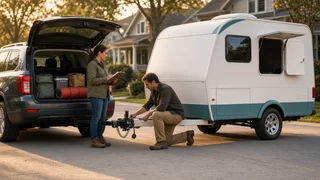
Confirm your USAA membership eligibility. Have the trailer's VIN, year, make, model, type and purchase price or current value ready. Ask whether the trailer can be added to your existing auto policy or needs a separate policy, such as RV, boat or commercial coverage. Ask which coverage applies when the trailer is hitched versus parked or in storage. Get the deductibles, coverage limits and valuation method for the trailer in writing. Ask how contents, custom equipment and accessories are treated. Disclose any business or paid hauling use up front. Check your state's registration and insurance rules for trailers, which vary by state and trailer weight. Get at least one comparison quote from another insurer before deciding.
What could not be confirmed
The following could not be verified for this article: USAA's current trailer coverage options, premiums, deductibles, discounts, claim procedures, or whether any coverage is written by USAA directly or through a partner insurer. Get these details from USAA and confirm them against the policy documents before you rely on them.
Next step
If you are eligible, contact USAA with your trailer details and the coverage table above. Ask specifically whether your trailer is covered when unhitched, and whether physical damage to the trailer is included. If you are not eligible, or the answers leave gaps, use the same checklist to compare quotes from other insurers.