Ultra disc brake caliper lube
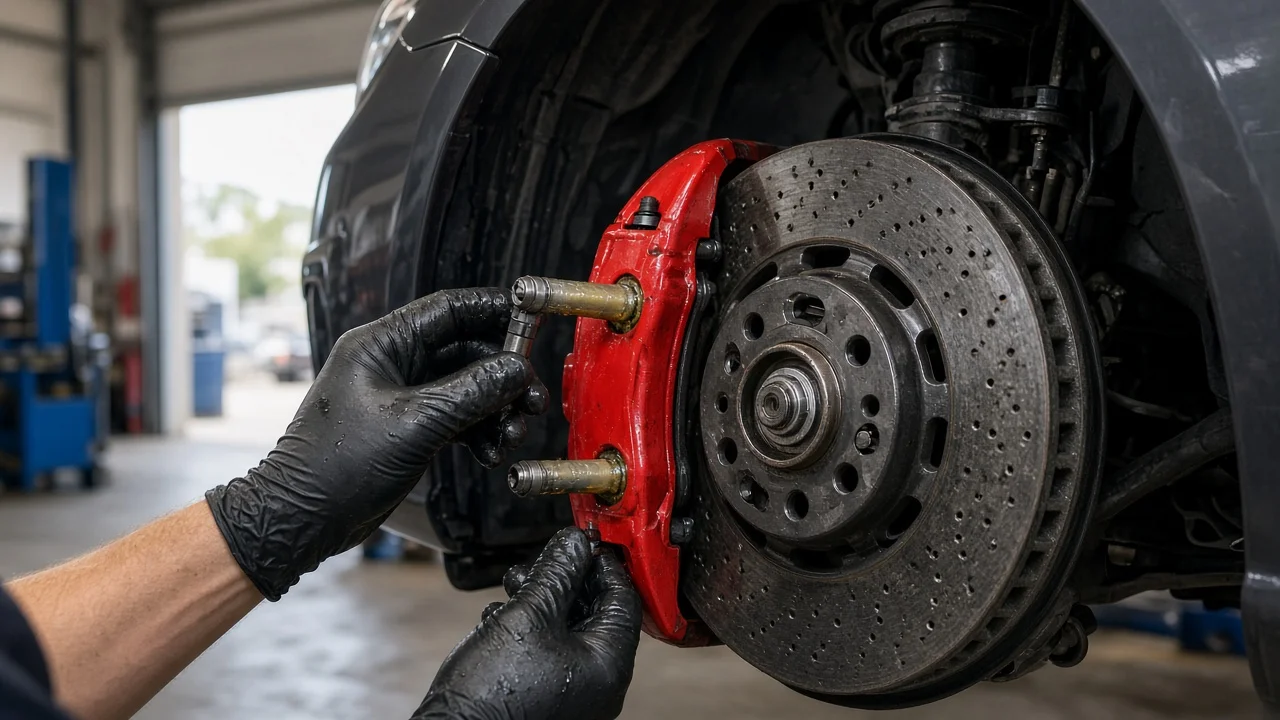
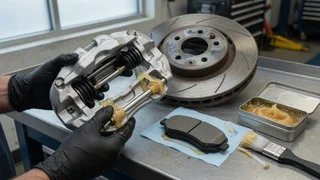
Choosing an ultra disc brake caliper lube matters most when brake service introduces new metal contact surfaces, shims, or slide hardware. A caliper lubricant reduces binding, corrosion, and uneven pad movement at the disc brake assembly. The right product should stay in place under heat, resist washout, and remain compatible with rubber boots and seals around the caliper. For most street vehicles, a thin targeted application on guide pins, pad abutments, and backing-plate contact areas supports more consistent brake pad engagement with the brake rotors. The goal is controlled friction-material movement without contaminating the friction surface or brake fluid sealing components.
The direct answer
Ultra disc brake caliper lube is best understood as a specialized high-temperature brake grease selected for metal-to-metal movement points at the caliper and pad hardware, not for the friction face of the pad or rotor. The immediate answer is to buy a purpose-made caliper lubricant that is explicitly rated for disc brake service, because general chassis grease can soften rubber caliper boots and lose body when the caliper reaches hard braking temperatures. Choose a formula that resists flinging, tolerates road splash, and does not attract abrasive grit where the brake pad slides against its abutment clips.
The critical condition is placement. Apply only a thin film where the brake pad backing plate touches the caliper body, piston edge, or retaining hardware, and on clean caliper slide pins if the vehicle uses pin-type calipers. Keep the lubricant away from the friction material, wear-limit inspection areas, and any path that could carry it to the braking surface. Silicone-based, ceramic-fortified, or synthetic polyalkylene glycol formulas are common choices, but vehicle fitment and seal compatibility are more useful buying filters than a single generic claim. Without a recorded fault code, normal pad wear, squeal, or slight drag is a reason to inspect and relubricate sliding components; it does not prove a caliper part has failed.