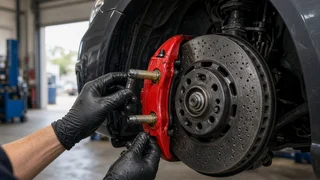
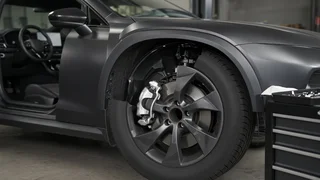
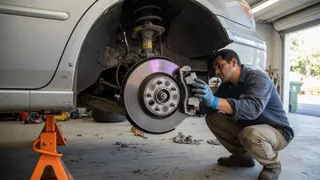
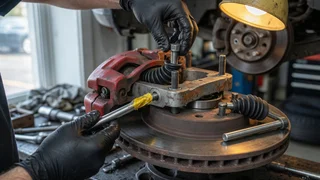
Titanium disc brake caliper bolts
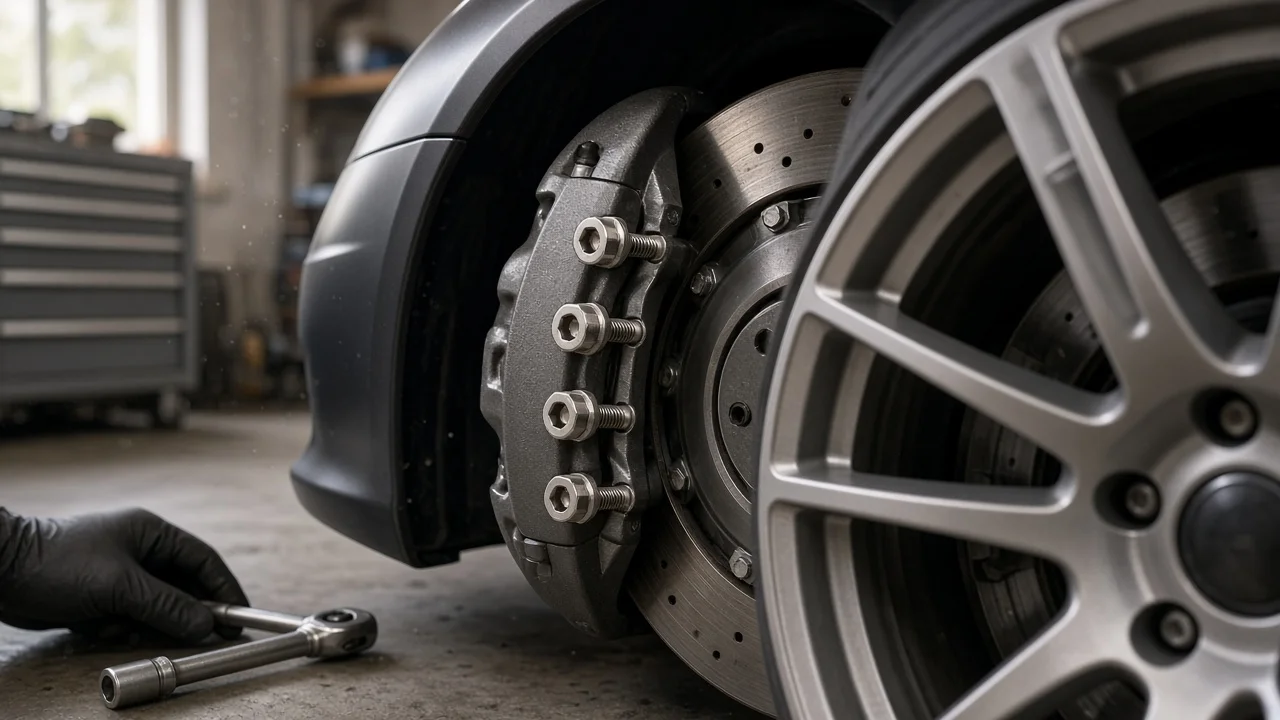
Choosing titanium disc brake caliper bolts involves more than swapping hardware. These fasteners sit at the center of the brake system, where brake pads, brake rotors, calipers, and brake fluid work under repeated heat and load. Titanium can reduce unsprung weight and resist corrosion, but material choice affects clamping force, friction, and long-term reliability. Before buying, you should confirm vehicle fitment, thread dimensions, tensile strength, and intended use. The answer below explains what titanium hardware can reasonably offer, where it helps, and what conditions should make you pause before replacing steel caliper bolts.
The direct answer
Titanium disc brake caliper bolts can be an appropriate lightweight replacement when they match the original thread pitch, diameter, length, head style, and load rating. The main practical benefits are lower unsprung mass and high resistance to surface corrosion. That does not automatically make them stronger than the factory steel fasteners. Grade 5 titanium alloys commonly used in automotive hardware can be strong, but strength depends on the exact alloy and manufacturing process, not on the metal name alone.
The immediate decision should therefore be conditional. If the bolts are sold for your specific caliper and vehicle fitment, and if the supplier provides a clear tensile strength or grade designation, they may be worth considering for street or light track use. If the listing only says titanium without dimensional or strength details, treat that as an unverified fitment. A caliper bolt failing in service can allow the caliper to move into the wheel or reduce clamping force, so conservative selection matters more than saving a small amount of weight.