Two-Seater Cars to Buy: How to Choose One That Fits Your Life
The short answer
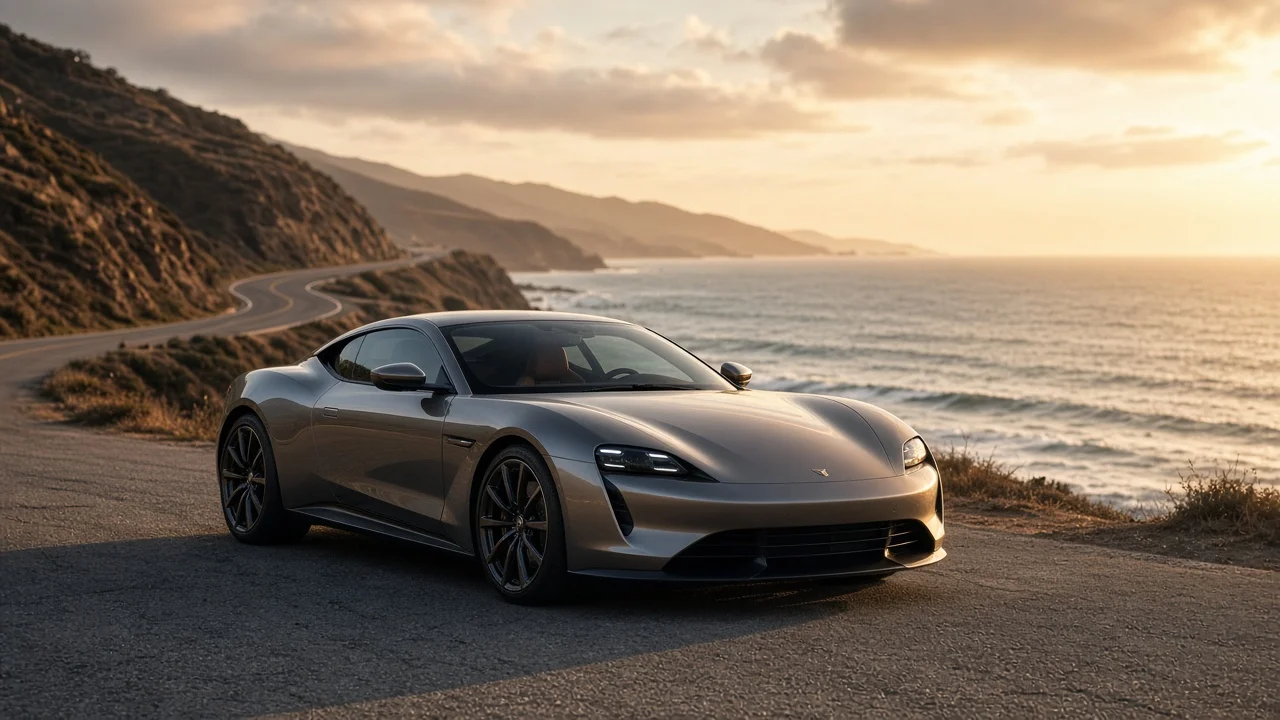
The right two-seater depends mainly on how you will use it. If it will be a weekend or fair-weather car alongside another vehicle, almost any two-seat roadster or coupe can work, and you can choose on driving feel, budget and running costs. If it will be your only car, the choice narrows fast. Cargo space, ride comfort, all-season usability, insurance cost and the fact that you can never carry a third person or a car seat in the back all become deciding factors.
Some popular sports cars are not true two-seaters. Models described as 2+2 have a small rear seat. It is usually cramped, but it can hold a bag or occasionally a small passenger. If you sometimes need that extra space, a 2+2 may suit you better than a strict two-seater.
What this guide does not include
No confirmed current prices, specifications, test results or model-year availability were available for this article, so none are given here. Two-seat models are often updated, given new trims or discontinued with little notice. Before you shortlist anything, confirm the current model year, the trims and powertrains sold in the US, and the dealer's actual pricing.
Main types of two-seat cars
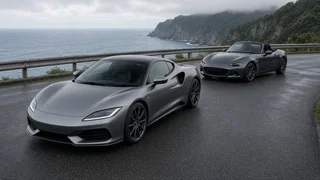
Type | What it is | Best suited to | Main trade-offs; Roadster or convertible | Open-top car with a soft top or folding hardtop | Fair-weather driving, weekend use, people who want an open-air experience | Top seals and fabric wear over time; more cabin noise; some models have limited trunk space; Coupe | Fixed-roof two-seater | Year-round use, quieter cabin, better security than a soft top | Less open-air appeal; rear visibility can be poor; Mid-engine sports car | Engine mounted behind the seats | Handling-focused drivers | Storage is often split between small front and rear compartments; higher repair and insurance costs are common; Two-seat city car (mostly used market) | Very short car built for urban parking | Dense cities and short trips | Limited highway comfort and cargo space; parts and service support may be thinner once a model leaves the market
Well-known examples sold in the US include the Mazda MX-5 Miata (available as a soft-top roadster and as the RF with a retractable hardtop), the Chevrolet Corvette, the BMW Z4 and the Porsche 718 Boxster and Cayman. On the used market there are also discontinued models such as the Honda S2000, Fiat 124 Spider and Smart Fortwo. Availability, trims and powertrains differ by model year, so check that any model you are considering is still sold new, or how well supported it is if you are buying used.
Questions to answer before you shortlist
Will this be your only car, or one of two? A sole vehicle has to handle groceries, airport runs, bad weather and the occasional bulky item. Do you ever need to carry a child? Many two-seaters are unsuitable for child seats. Where a front-seat installation is allowed at all, it usually requires the passenger airbag to be switched off. Check the owner's manual for the exact model year before assuming it will work. What is your climate like? Most two-seat sports cars are rear-wheel drive and often come on performance tires. In snow or ice regions, budget for a dedicated set of winter tires, or plan to keep a second vehicle for winter. How much luggage do you carry regularly? Trunk volume varies a lot between models, and some convertibles lose space when the top is stowed. Bring the bags you actually use to the test drive. Can you get in and out comfortably? Low seating, wide sills and small door openings can make entry and exit difficult for taller drivers or anyone with back or knee problems. Manual or automatic? Not every trim offers both, and the choice can affect resale demand. Confirm which transmissions are offered for the trim and year you want.
Ownership costs that catch buyers out
Insurance on sports-oriented two-seaters can cost noticeably more than on a mainstream sedan or crossover, depending on the model, your age, your driving record and where you live. Get quotes on the specific vehicle identification number or exact trim before you commit.
Several performance models require or recommend premium fuel, which raises running costs. The owner's manual or fuel-door label states the requirement. Performance tires also tend to wear faster and cost more to replace than standard all-season tires, and wide or low-profile sizes can be more expensive to source.
Checks for a used two-seater
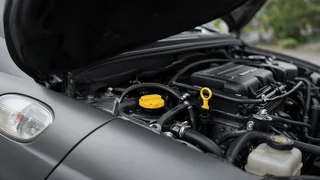
Convertible top: look for tears, cloudy or cracked rear windows, worn seals and signs of water entry, such as damp carpets or a musty smell. Check that the drain channels are clear and that a power top completes its full cycle without hesitating. Signs of hard driving or track use: uneven tire wear, heavily worn brakes, aftermarket suspension or exhaust parts, and scrapes on the underside. Modifications: aftermarket parts can affect emissions compliance, warranty coverage and insurance. Ask for receipts and check whether the original parts come with the car. Service history: confirm that oil changes and scheduled maintenance were done on time, especially on high-performance engines. Vehicle history and title: run a history report and confirm the title is clean and matches the seller's identity. Independent inspection: a pre-purchase inspection by a mechanic familiar with the make is worth arranging, particularly for mid-engine or high-performance models where repairs are costly.
A practical next step
Narrow your list to two or three models that match your use, whether that is a daily driver, a weekend car or a city runabout. For each one, confirm current US availability and trims, get insurance quotes, and test-drive back to back on roads you normally use. If you are buying used, add an independent inspection before you negotiate on price.