Turn Signals Not Working but Hazards Work: What It Means and What to Check
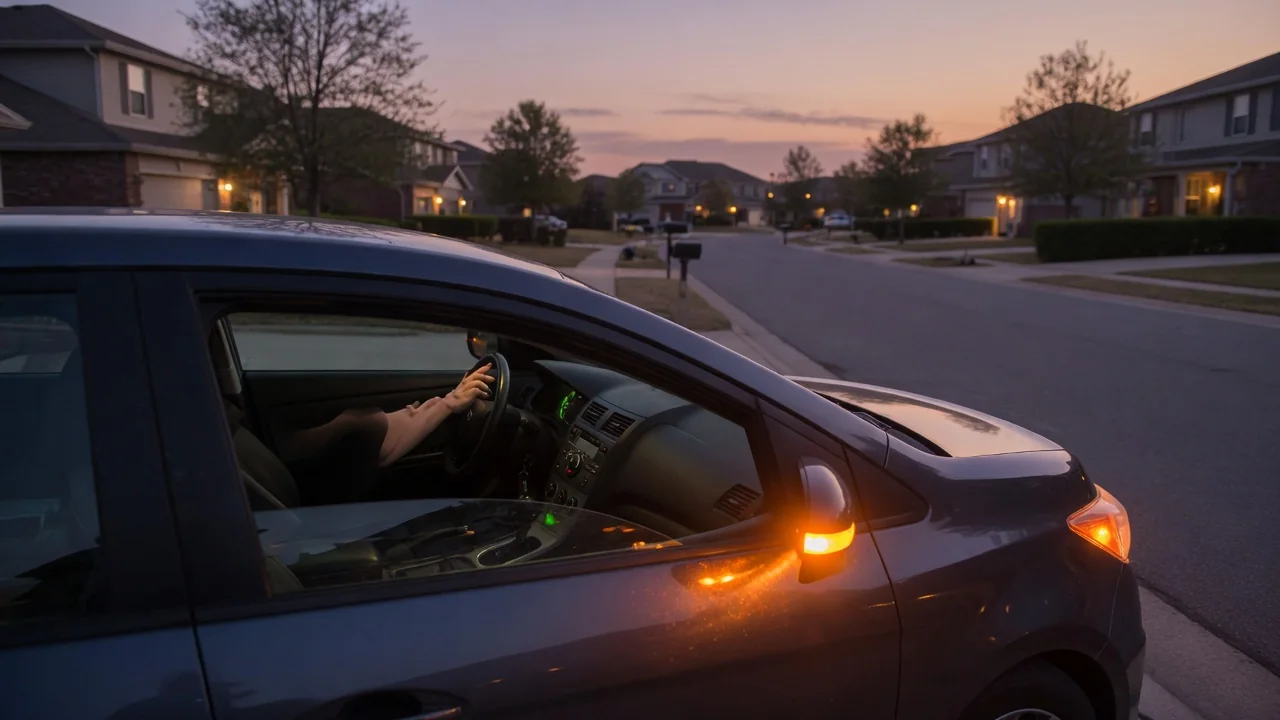
When your turn signal is not working but hazards work, the car is giving you a useful clue. The same lamps that refuse to blink for a lane change still flash when you press the hazard switch, so much of the lighting system is probably healthy. This guide explains what that pattern suggests, which symptoms to note, what you can safely check yourself and when to hand the electrical diagnosis to a technician.
Why Working Hazard Lights Narrow Down a Turn Signal Failure
Hazard lights that flash normally suggest that the bulbs or LED units, most of the lamp wiring and the flashing function are all working. If those parts can blink the lamps on command, the fault is more likely in something the turn signals use and the hazards skip. That points you away from the lamps at each corner and toward the control path between the steering column stalk and the circuit that picks which side flashes.
On many vehicles, the two functions take different routes. The hazard switch is usually a separate button that sends its own request. The turn signal stalk is part of the multifunction switch, and the signals may get ignition-switched power through a different fuse. Circuit layout varies by make, model and year, so use this to narrow the search, not as a diagnosis. A blown bulb is less likely when the same lamps light with the hazards on, but don't rule it out entirely.
Symptoms to Note Before You Start Checking
Before you check anything, write down exactly what the car does. If both the left and right signals have failed, suspect something both sides share, such as a power feed, a fuse or the switch itself. If only one side is dead, a worn contact inside the stalk or a circuit for that side alone becomes more likely. Then watch the dashboard turn indicator as you move the stalk. Arrows that stay dark, stay lit without flashing, flash fast or flash normally while the outside lamps stay off each point somewhere slightly different.
Timing matters too. Note whether the blinker problem is constant or comes and goes. Watch whether it changes when you move the stalk, turn the steering wheel or drive in wet or cold weather. A signal that cuts in and out when you press on the stalk points somewhere different from one that fails only after rain. Also check whether the wipers, horn, cruise control or other stalk functions started acting up at the same time. Problems that start together aren't necessarily linked, but the shop should still hear about it.
Fuses and Power Feeds That May Differ Between Hazards and Signals
On many vehicles, the turn signals only get power with the ignition on. The hazards are often designed to work with the key off, so a stranded car can still warn traffic. Because of that, working hazards don't prove the ignition-switched feed to the signals is intact, and a missing feed is a reasonable suspect. Use the fuse chart in your owner's manual or on the fuse box cover to find the correct fuse. Don't guess at positions or ratings.
You can usually check a blade-style fuse by looking through its clear plastic body. A broken or scorched metal strip means it has blown. An intact strip suggests the fuse is fine, though only a proper test confirms that power is getting through. If a new fuse of the specified rating blows again, something downstream is drawing too much current, and that needs professional testing. Never fit a higher-rated fuse or bypass it with foil or wire, because the fuse is what keeps the wiring from overheating.
The Turn Signal Switch, Flasher and Body Control Module
The multifunction switch, also called the turn signal switch, turns stalk movement into a left or right request. Its internal contacts wear over years of use, and a worn or dirty contact can stop the signals while the separate hazard button keeps working. Several signs may point to the switch. The stalk may feel loose, the clicks that hold it in place may be missing or mushy, or the signals may work only when you hold the lever at a certain angle. Treat these as possibilities, not proof.
What happens after the switch depends on the design. Older vehicles may use a separate flasher unit or relay to make the lamps blink, and the hazards may or may not share it. Many newer vehicles handle flashing through a body control module or similar electronics that read the switch and drive the lamps. The symptom alone won't tell you which design your car uses. Check the service information for your vehicle before buying a flasher relay, switch or module.
Safe Checks You Can Do Without Taking Anything Apart
Several checks need no tools. Make sure the ignition is fully in the run position, then try the signals in both directions. Have a helper walk around the car and watch the front lamps, rear lamps and any side repeaters while you compare them with the dash arrows. Note any mismatch, such as an arrow flashing while the outside lamps stay dark. With the ignition off, you can also look at the fuses you can see, using the owner's manual to identify only the ones that matter.
Stop there. Don't remove the steering column covers or take apart the area around the stalk. The airbag and its wiring are there, and disturbing them can cause serious injury. These simple checks are useful but limited. They can narrow the cause to one side, the power feed or the control path, but they can't confirm a failed switch, module or wiring fault. That takes proper testing with the right equipment and the wiring information for your vehicle.
Driving Safely While Your Turn Signals Are Out
Working turn signals are a basic safety and legal requirement, so limit driving until they're fixed. Other drivers count on that blinking lamp to know when you'll change lanes, merge or turn, and without it they're guessing. Leaving the hazards on doesn't replace turn signals. Hazards usually mean a stopped, slow or disabled vehicle, and because both sides flash, nobody can tell which way you plan to go. That mixed message can confuse the drivers around you.
Hand signals may be an option, but the rules for them vary by state, so check your local regulations instead of assuming one standard applies everywhere. If you have to drive the car to a repair shop, plan a route with as few lane changes and left turns across traffic as possible. Choose quieter roads, avoid rush hour, stay in one lane when you can and leave extra space around the car, since nearby drivers won't get the usual warning before you move.
When to Get Professional Diagnosis and What Testing Involves
Take the car to a technician if a fuse keeps blowing, if you suspect the switch or body control module, or if the fault comes and goes and is hard to reproduce. The same goes for any repair that involves the airbag area. A technician may check power and ground at the switch and use a scan tool to read body electronics data and switch inputs. They can also follow the wiring diagrams for your exact vehicle to find where the signal stops.
If the scan turns up stored diagnostic codes, keep in mind that the same code can mean different things to different manufacturers. Someone needs to confirm what it means for your specific vehicle before replacing parts based on it. A code is a clue to interpret, not proof that a part has failed. You can speed up the diagnosis by telling the shop which side failed, what the dash arrows did, when it started and whether weather or moving the stalk made any difference.