Turn Signal Switch Not Working: Symptoms, Causes and Next Steps
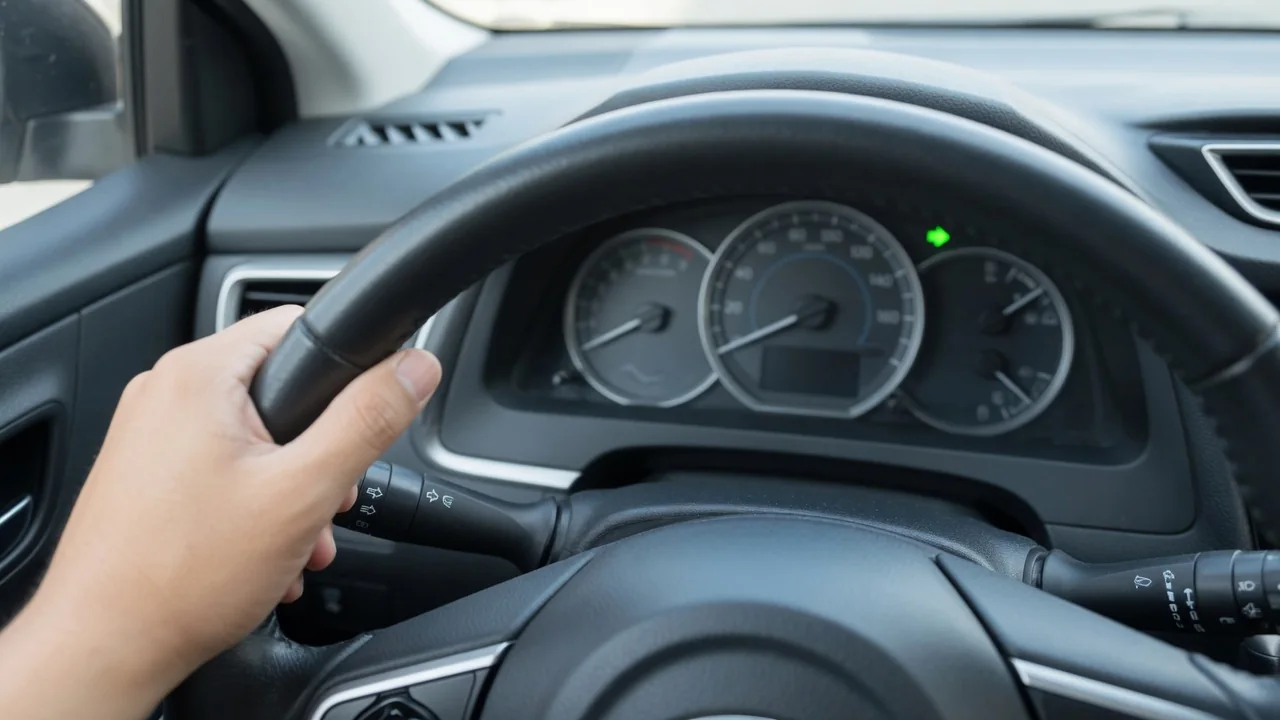
When your turn signal switch is not working, the problem can seem simple, but the stalk is only one part of a circuit that also includes bulbs, fuses, a flasher relay or module, wiring and sometimes a body control module. Knowing how the switch works, which symptoms point toward it and what else can mimic a failure helps you describe the problem accurately and stay safe until it is fixed.
How the Turn Signal Switch Works and What Failure Looks Like
The turn signal stalk on the steering column is an input device. When you push it up or down, it closes contacts that send a request either directly to a flasher circuit or, on many newer vehicles, to a body control module that then commands the lamps. The layout varies by make, model and year, and many vehicles house the turn signal in a multifunction or combination switch that also handles headlights, high beams or wipers. That is why a worn switch can sometimes bring several related symptoms at once.
A failing switch often shows up as no signal in one direction, an intermittent turn signal that works one moment and not the next, or signals that flash only while you hold the stalk in position. Some drivers notice the stalk won't latch into place or won't self-cancel after a turn. These patterns are useful clues, but symptoms alone cannot confirm the switch is at fault. Bulbs, wiring, relays and modules can produce behavior that looks identical, so treat early observations as leads rather than conclusions.
Symptoms That Point Toward the Switch Rather Than the Bulbs
One revealing pattern is losing both the front and rear signals on one side while the hazard lights still flash on that same side. Because the hazards often reach the same lamps through a separate input path, working hazards suggest the bulbs, sockets and much of the lamp wiring are functional. That shifts suspicion toward the turn signal switch or its input circuit. It is not definitive, since hazard and turn circuits are arranged differently from vehicle to vehicle, but it is a meaningful way to narrow the search.
Feel matters too. A turn signal stalk that is loose, sloppy or no longer clicks into a detent may have worn internal parts. Signals that flicker or cut out when you wiggle the stalk or turn the steering wheel point toward worn contacts or a poor connection near the column. Turn signals not canceling after a turn can involve the switch's cancel mechanism, though how cancellation works differs between designs. These clues help focus diagnosis, yet only electrical testing can show where the signal is actually being lost.
Other Faults That Can Mimic a Bad Turn Signal Switch
Bulbs are the first thing to rule out. A burned-out or poorly seated bulb can kill one lamp, and rapid hyper flashing on one side usually means the circuit is seeing a lower electrical load than expected, typically from a failed bulb or a circuit problem rather than the switch. If the signals fail in both directions, look upstream of the stalk's individual left and right contacts: a blown turn signal fuse or a faulty flasher relay or module can stop everything at once.
Bulb socket corrosion, chafed wiring, poor grounds and loose connectors can cause intermittent or one-sided failures, especially after wet weather. On vehicles with network-controlled lighting, the body control module or its software may misread a healthy switch, producing switch-like symptoms that require scan-tool diagnosis. Modifications also change the picture. Aftermarket LED bulbs often draw less current than the incandescent bulbs they replace and may trigger fast or erratic flashing, while trailer wiring connections can introduce shorts or extra load. Mention any such changes to whoever diagnoses the problem.
Safe Checks You Can Do Without Taking Anything Apart
Simple observation is safe and valuable. Park on level ground, set the parking brake and keep the transmission in park, or in neutral for a manual, then walk around while operating each signal and the hazard lights, ideally with a helper. Note exactly which lamps work, including front, rear and any mirror or side repeaters. Compare left and right flash speed, and watch the dashboard indicator for each direction. Also think back: did the stalk feel stiffer, looser or different before the signals started acting up?
Your owner's manual shows the fuse box location and which fuse serves the turn signal or hazard circuit. With the ignition off, you can visually check that fuse for a broken element and replace it only with one of the same rating, but avoid probing live circuits or using makeshift jumpers. Keep a short log of when the fault appears, such as on cold mornings, in rain, after hitting a bump or at certain steering angles. That record helps a technician reproduce an intermittent problem instead of guessing.
Why Steering Column Work Calls for Caution
The turn signal switch sits on the steering column close to the driver's airbag and the clock spring, the coiled connector that maintains electrical contact with the wheel as it turns. Careless disassembly in this area can cause an accidental airbag deployment, which can injure anyone nearby, or leave the airbag system with faults that compromise protection in a crash. A damaged or misaligned clock spring can also affect the horn and steering wheel controls, so a seemingly small switch job can create several new problems.
Column disassembly, airbag disconnection and switch replacement procedures are specific to each vehicle and should follow the manufacturer's service information, which typically includes handling precautions that are easy to overlook. For most owners, leaving this work to a qualified technician is the sensible choice. If the airbag warning light comes on after any column work, whether done at home or elsewhere, have the vehicle inspected professionally before relying on it, because the system may not perform as designed in a collision.
When to Get Professional Testing and How to Stay Safe Meanwhile
A technician can test switch continuity in each position, check whether the flasher relay or body control module receives the correct input, and read stored codes where the vehicle supports them. Any code should be interpreted with vehicle-specific information, because a fault code is evidence pointing to a circuit or condition, not proof that a particular part has failed. Book diagnosis promptly if you have no signals at all, an intermittent failure, combined lighting faults involving headlights or high beams, or warning lights on the dash.
Working turn signals are both a safety necessity and a legal requirement for road use, and the rules on equipment and hand signals vary by state. Until the repair is done, consider using hand signals where permitted, allow extra following distance, and make lane changes slowly and deliberately. When you get an estimate, ask the shop to confirm the root cause before replacing parts. Bulbs, relays, wiring and modules can all mimic a bad multifunction switch, and confirmation keeps you from paying for components that never fix the problem.