Power Door Lock Switch Not Working: Causes and What to Check
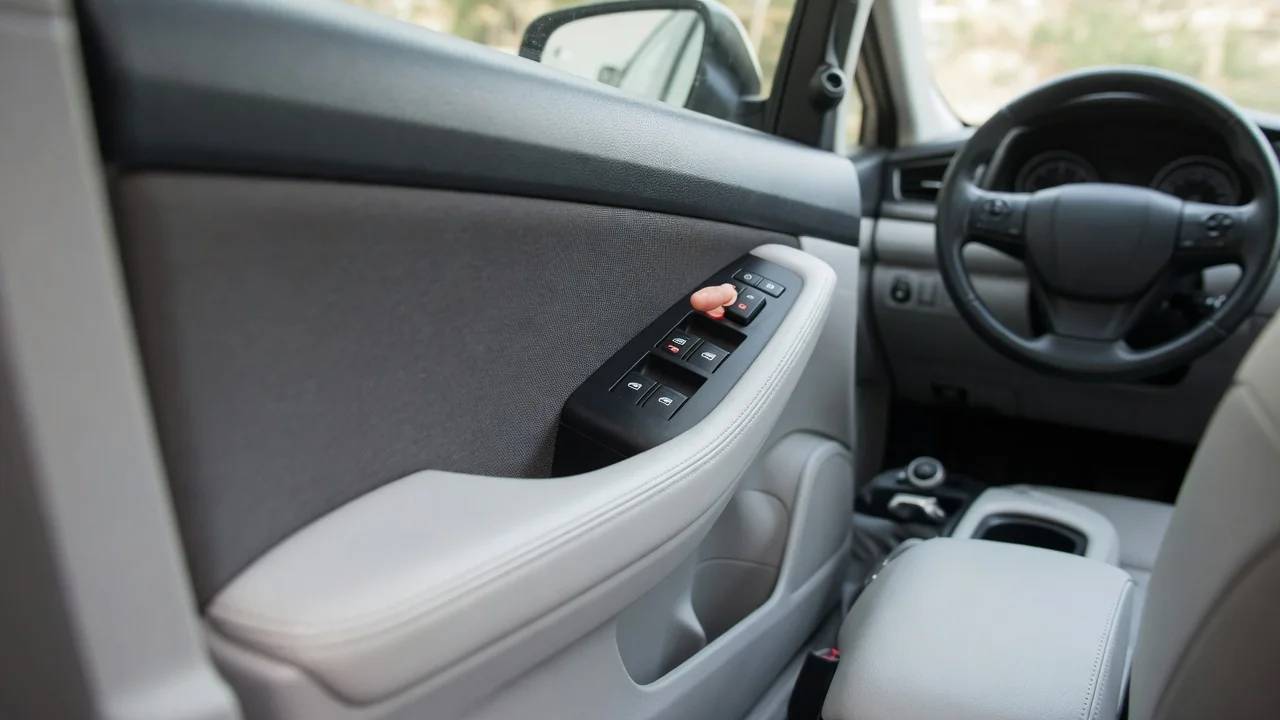
When a power door lock switch is not working, the cause could be as simple as a fuse or as involved as a worn door harness. The central locking system depends on switches, wiring, actuators and, on many vehicles, a body control module all working together. Watching closely before buying parts helps you narrow down the cause and avoid replacing parts that were never faulty.
Reading the Symptom Pattern Before Blaming the Switch
Start by noting how widespread the problem is. If one door ignores every command, look first at that door's lock actuator or latch. If a single switch is dead while the other door switches still lock the car, that switch or its wiring becomes the main suspect. When every lock stops at once, a shared fuse, power feed or control module is a more likely starting point. Each pattern is a clue, not a final answer.
Next, compare the inputs. Try the interior switch, the key fob, the physical key and any exterior keypad, and note which ones still work. Separate a switch that does nothing at all from locks that move slowly, only partway or only sometimes. Also note when it happens, such as on cold or wet mornings, after a drink spill or only with the door open. These details narrow the search, but only testing can confirm which part has failed.
Fuses, Relays, and Shared Circuits
When every lock quits at the same time, check the shared circuit before any single switch. Most vehicles protect the power lock circuit with a fuse, and some also use a relay, but layouts differ widely. The owner's manual or the label on the fuse box cover shows the correct power lock fuse for your vehicle. A broken metal strip inside the fuse is a useful clue, but it also suggests that something drew too much current.
Always replace a fuse with one of the exact rating specified, never a higher one, because an oversized fuse can let wiring overheat. If the new fuse blows again, right away or after a few uses, there is likely a short or a binding actuator that needs proper diagnosis. On many newer cars, the switch sends a request to a body control module or similar electronics, which then powers the actuators. The parts involved vary by make and model.
Signs the Switch Itself Has Failed
A failing switch often shows itself through how it feels. Buttons may become sticky, loose or mushy, stop clicking, or work only when pressed hard or at a certain angle. Door switches are among the most-used controls in the cabin, so their internal contacts wear over time. Spilled coffee or soda, dust and grime can also coat those contacts. That usually causes on-and-off operation at first and sometimes complete failure later.
Location matters too. On many vehicles the driver's lock button sits in the master window switch, while passenger doors have their own smaller switches. If only one side fails while the other still locks every door, that switch or its wiring is the stronger suspect. A dark lock switch backlight, or windows and mirrors on the same panel acting up, can point to a power or connector problem in that assembly. Before buying a replacement, confirm the exact year, model and trim with a parts supplier or dealer instead of assuming parts interchange.
Wiring Through the Door Hinge Area
Every wire feeding a door's switches, actuator, window and mirror has to pass between the body and the door, usually inside a rubber boot near the hinges. These wires bend each time the door opens and closes. Over the years they can chafe or break inside even while the insulation still looks fine. The result is often an intermittent door lock that works with the door at one angle and fails at another.
A safe owner check stops at looking. Open the door and inspect the boot and any visible connectors for tears, pinched sections, green corrosion or moisture, and note whether the symptoms change as the door moves. Avoid cutting, splicing or probing wires, since door circuits can share space with other systems. Water in door connectors can make the locks act erratically, sometimes along with window or mirror problems on the same door. That makes a wiring or connector fault more likely.
Telling a Bad Switch From a Bad Lock Actuator
Listening is one of the most useful checks. In a quiet place, stand near each door while someone presses the interior switch, then repeat with the key fob. A healthy door lock actuator usually makes a firm click. Buzzing, grinding or a weak thunk suggests the actuator is getting the signal but struggling. If one door stays silent while the others respond, focus on that door.
If the key fob locks the doors but the switch does not, the switch or its circuit is the more likely suspect. However, some vehicles send both commands through the same module, which changes this logic. If one door fails no matter which input you use, the actuator or latch in that door is more likely at fault than any switch. A slow or partial lock can point to a weak actuator, a binding latch or low voltage, not only a switch fault.
Settings, Battery Voltage, and Other Non-Switch Causes
Some problems that look like faults are actually settings. Auto-lock, unlock behavior and lock-out protection vary by vehicle and can often be changed, so check the owner's manual before assuming anything is broken. Many vehicles also block lock commands under certain conditions, such as a door being ajar or a key detected inside the cabin. Child safety locks are separate. They only stop the rear inside handles from opening the door and don't affect the power lock switch.
Check the battery as well. The central locking system needs steady 12-volt battery voltage, and a weak or failing battery can cause erratic electrical behavior. Locks may respond slowly, inconsistently or not at all, sometimes along with flickering lights or slow engine cranking. Charging or testing the battery is a sensible step before replacing a switch. This is especially true if the lock trouble started along with other electrical problems or after the vehicle sat unused.
When to Get Professional Diagnosis
Get professional help if a fuse keeps blowing, you notice a burning smell, or several electrical systems fail at once. These signs suggest a short or a module problem. On some vehicles, door panels hide side airbag parts and related wiring, so use official service information or a technician instead of improvising disassembly. A shop scan tool can read body or module trouble codes, but what each code means depends on the manufacturer, so it must be confirmed for your vehicle before anyone acts on it.
Don't put off the repair for long. A door that won't lock leaves the vehicle and its contents vulnerable, and a door that won't unlock reliably can slow your exit in an emergency. Before your appointment, write down which doors and inputs fail, how the locks sound and when the problem appears, including weather, door position and any battery symptoms. That record helps a technician focus their testing and spend less time trying to reproduce a fault that comes and goes.