TPMS Diagnostic Tool for Toyota
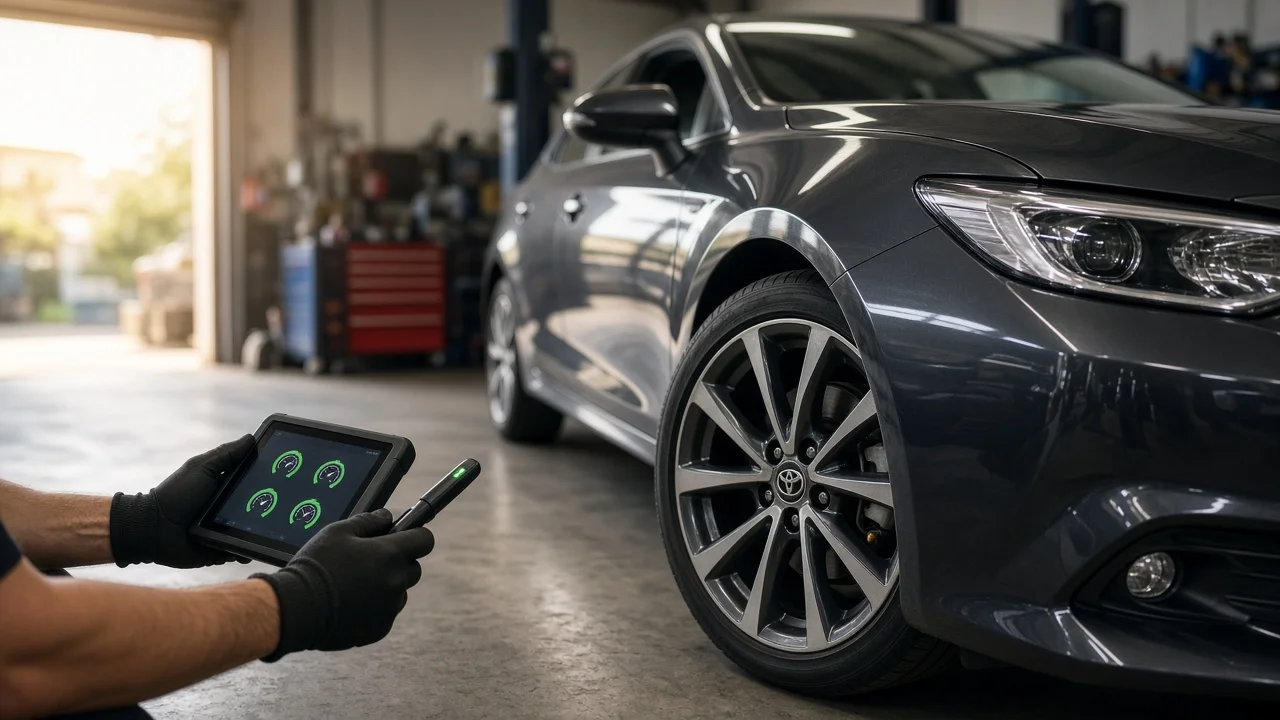
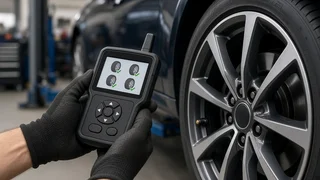
A tire-pressure warning in a Toyota often starts with useful evidence, but the light does not say which tire changed, what the control module saw, or whether a sensor stopped reporting. A TPMS diagnostic tool for Toyota can read that information when the vehicle and scan tool support the same communication. The same need appears for a Toyota Camry or RAV4, where wheel positions may change with rotation and the receiver expects each sensor ID. The right tool should read trouble codes, live data, and freeze-frame information from the tire-pressure system.
The direct answer
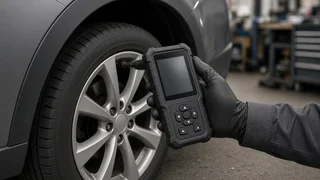
Choose a diagnostic tool that can communicate with the Toyota TPMS module, not merely read generic engine data. It should at least display stored tire-pressure trouble codes and live sensor values such as pressure, temperature, and battery condition where the system provides them. Coverage for a Toyota Camry or RAV4 matters because the receiver logic, relearn behavior, and sensor format differ by model year and market. A tool may scan while the tire light is on, after a rotation, or when a replacement sensor has not been introduced to the vehicle.
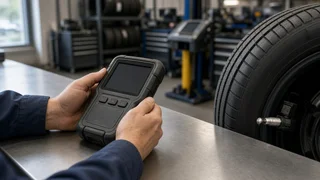
Before buying, confirm the tool supports the intended model and the TPMS functions you need. Basic code readers may only identify a system fault, while more capable devices show freeze-frame data such as pressure at the moment a code set. Live data helps separate an underinflated tire from a lost sensor signal. For a RAV4, check that the tool can activate or decode the sensor type used, and for a Camry, verify the supported model years. The practical purchase is one that reads the Toyota-specific TPMS controller and presents the reason the warning lamp is active.
Understanding a problem
A stored tire-pressure code is a starting point, not proof that a particular sensor or module is bad. The warning may appear because pressure fell below a threshold in cold weather, because a wheel was rotated without telling the receiver the new positions, or because a sensor stopped transmitting after a battery weakened. A tool with live data can show a missing ID or an unchanging pressure reading. Freeze-frame records may indicate the speed, temperature, or pressure condition present when the malfunction was detected, which helps distinguish a road-condition event from a failing component.
Symptom conditions are useful when the light behaves intermittently. If the tool shows that the warning clears after tires warm up, the trigger may be low cold pressure rather than a failed transmitter. If one wheel position drops from the display while others read normally, the next confirmation test is to check that specific sensor and wheel assembly rather than replacing the receiver. Manufacturer-dependent codes can have different meanings across Toyota vehicles, so service information for the specific Camry or RAV4 year should be used before concluding that a part needs replacement. Stop further testing if a tire shows physical damage or the wheel is unsafe to inspect.