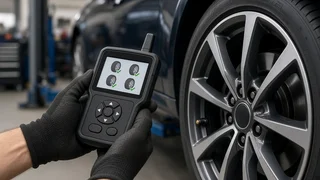
Schrader ST-1 TPMS Diagnostic Tool
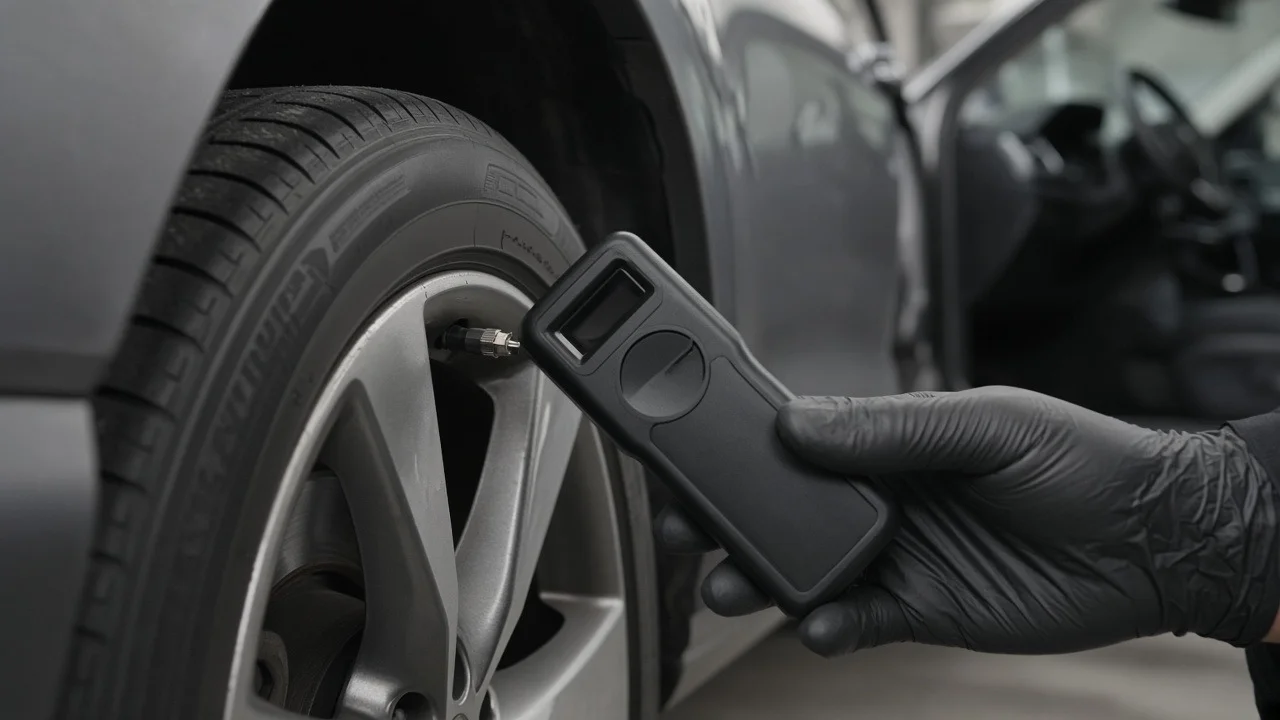
The Schrader ST-1 TPMS diagnostic tool is designed to help drivers and shops interpret tire-pressure monitoring system faults without guessing. Whether you are clearing a sensor ID after a tire rotation, checking a warning that will not reset, or comparing tool capabilities before purchase, understanding how the device reads sensor data matters. The tool can retrieve stored trouble codes, view live data, and support confirmation tests after repairs. Its real value depends on matching the tool’s supported protocols and relearn methods to the vehicles you actually service or own.
The direct answer
For most immediate questions, the answer is that the ST-1 can diagnose many common TPMS issues by communicating with the vehicle and, on supported systems, with the wheel sensors. It is not a universal replacement for a full factory scan tool, and its coverage depends on the software version loaded in the unit. Before buying, consider whether the vehicles you work on use direct sensors in each wheel or indirect systems that compare wheel-speed inputs. The tool’s ability to trigger a sensor or display an ID is only useful if your target vehicle uses that method.
A tool like this is best understood as a faster way to identify which tire position is reporting a fault, not as proof that a sensor is physically broken. If the display shows no communication from one wheel, possible causes include a dead sensor battery, corrosion at the valve stem, an incorrect sensor type, or a vehicle that was recently fitted with wheels that lack sensors. A missing or intermittent signal during a relearn procedure often points to position or fitment problems rather than a failed module in the car.
Understanding a problem
When a TPMS warning is active, the first useful step is to check the pressure with a reliable gauge and compare it with the door placard. Cold weather can lower tire pressure enough to set a warning even when no part has failed. If pressures are correct, then the ST-1 becomes valuable because it can show whether the vehicle is storing a specific trouble code. A code related to a sensor ID not learned, for example, suggests the system was reset incorrectly or a wheel was swapped, not that the sensor itself is defective.
A diagnostic code should be treated as a starting point, not a final diagnosis. The same code can appear when a sensor is missing, when the signal is blocked by aftermarket wheels, or when the control module has old sensor IDs stored. Before condemning a sensor, use the tool to view live data and compare each wheel’s ID and pressure reading. If the tool can activate a sensor but the vehicle cannot hear it, check service information for the correct relearn procedure for that make and model. Freeze-frame data and the conditions when the warning appeared can also help confirm whether the concern is environmental, installation-related, or an electronic fault.